
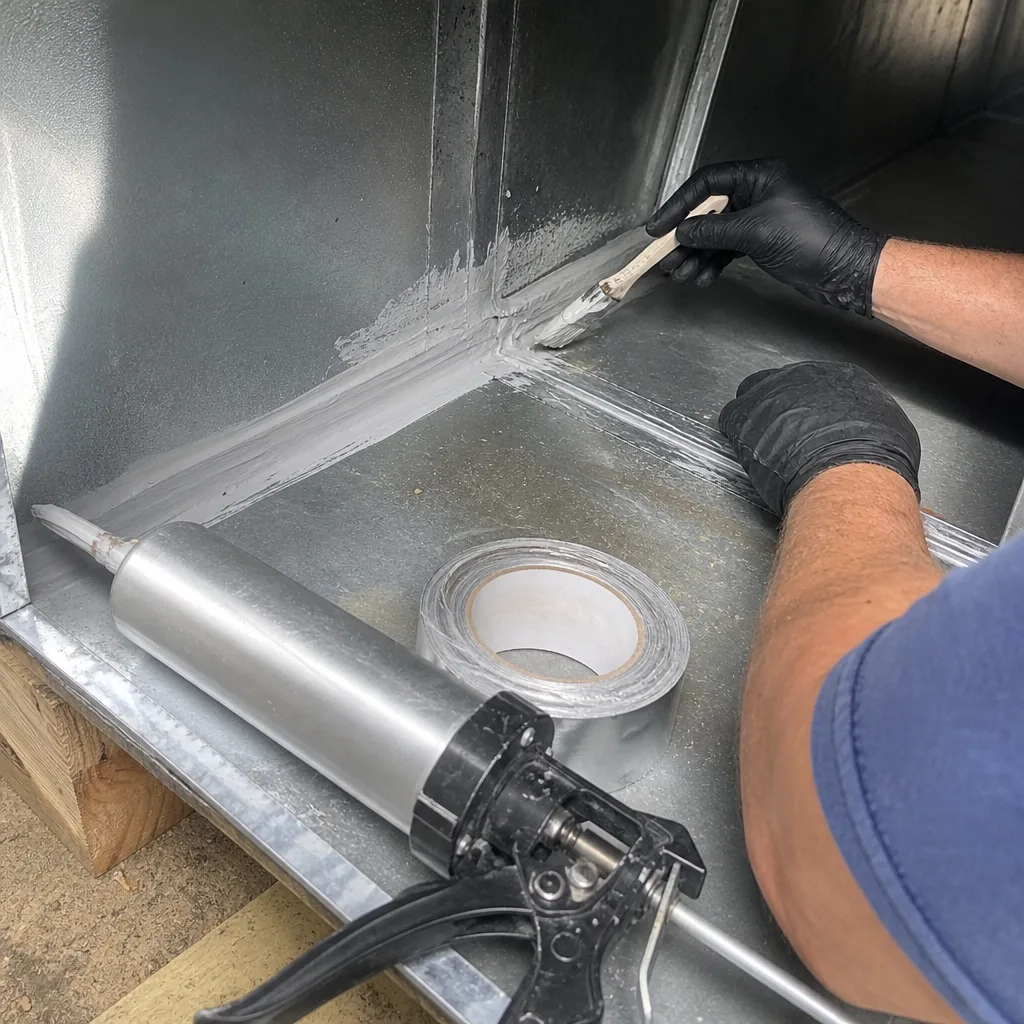
Last updated November 23, 2026
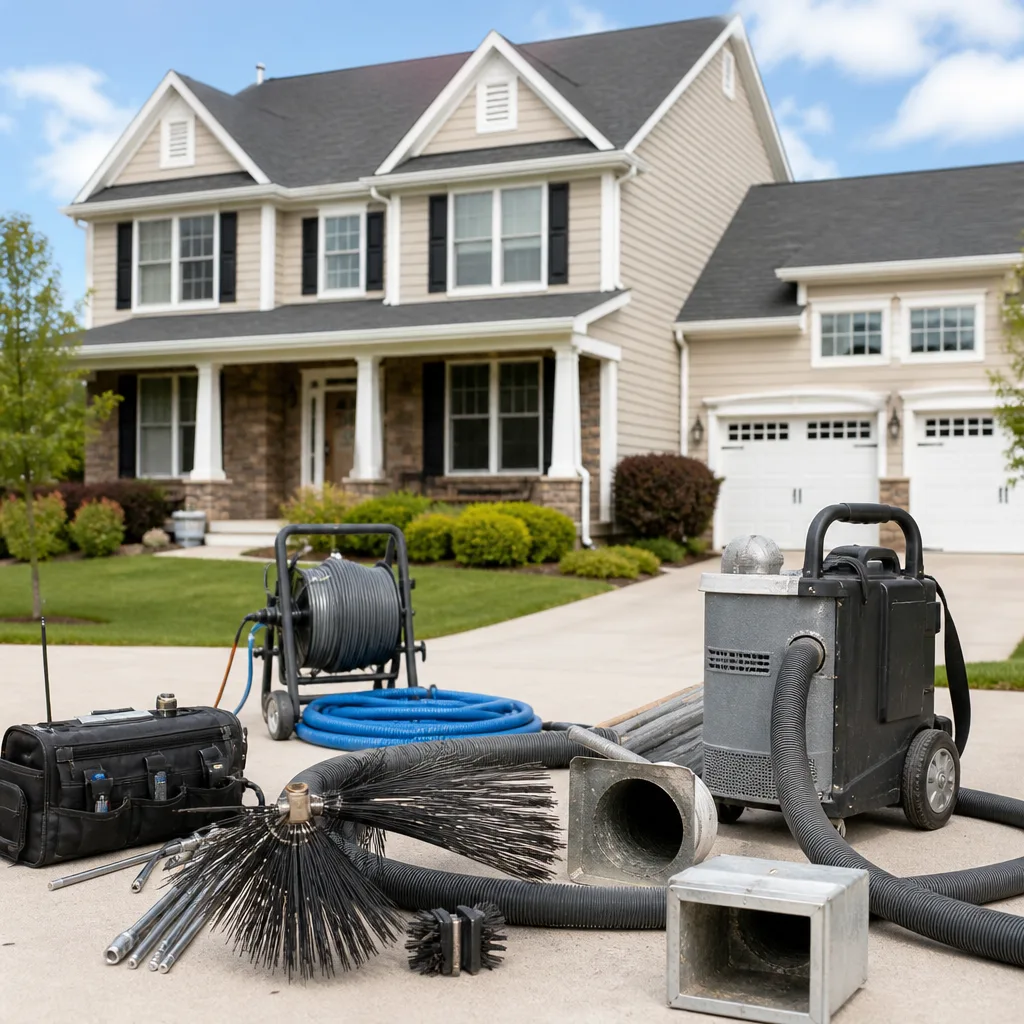 Whole-home duct cleaning
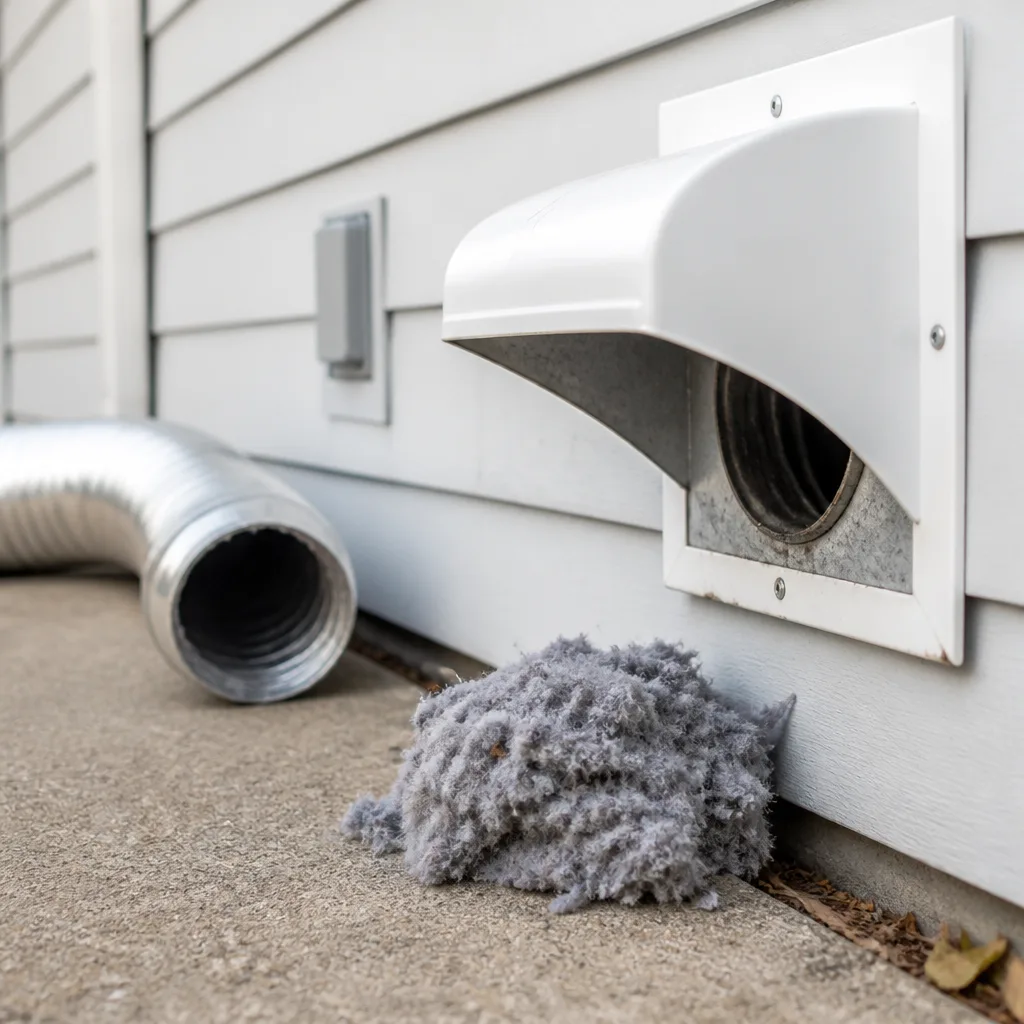 Dryer vent cleaning
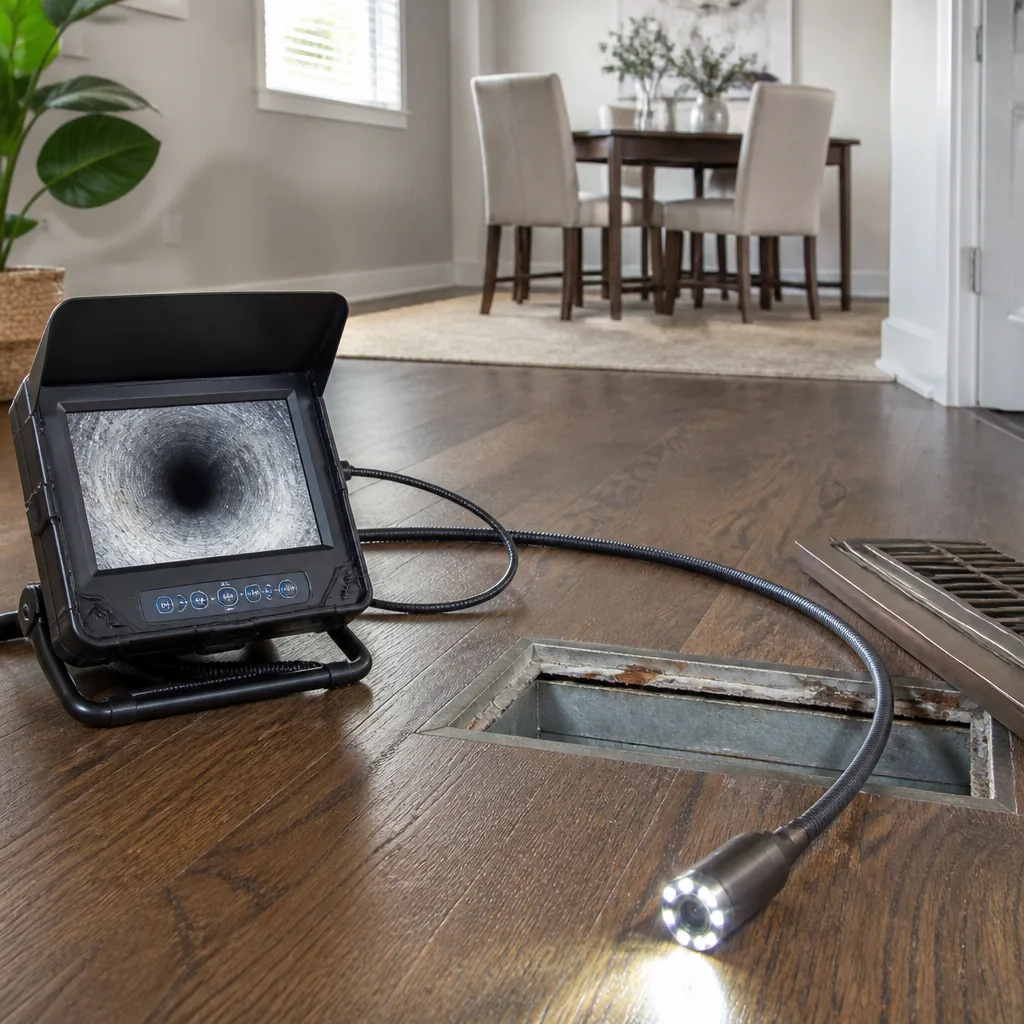 Camera inspection
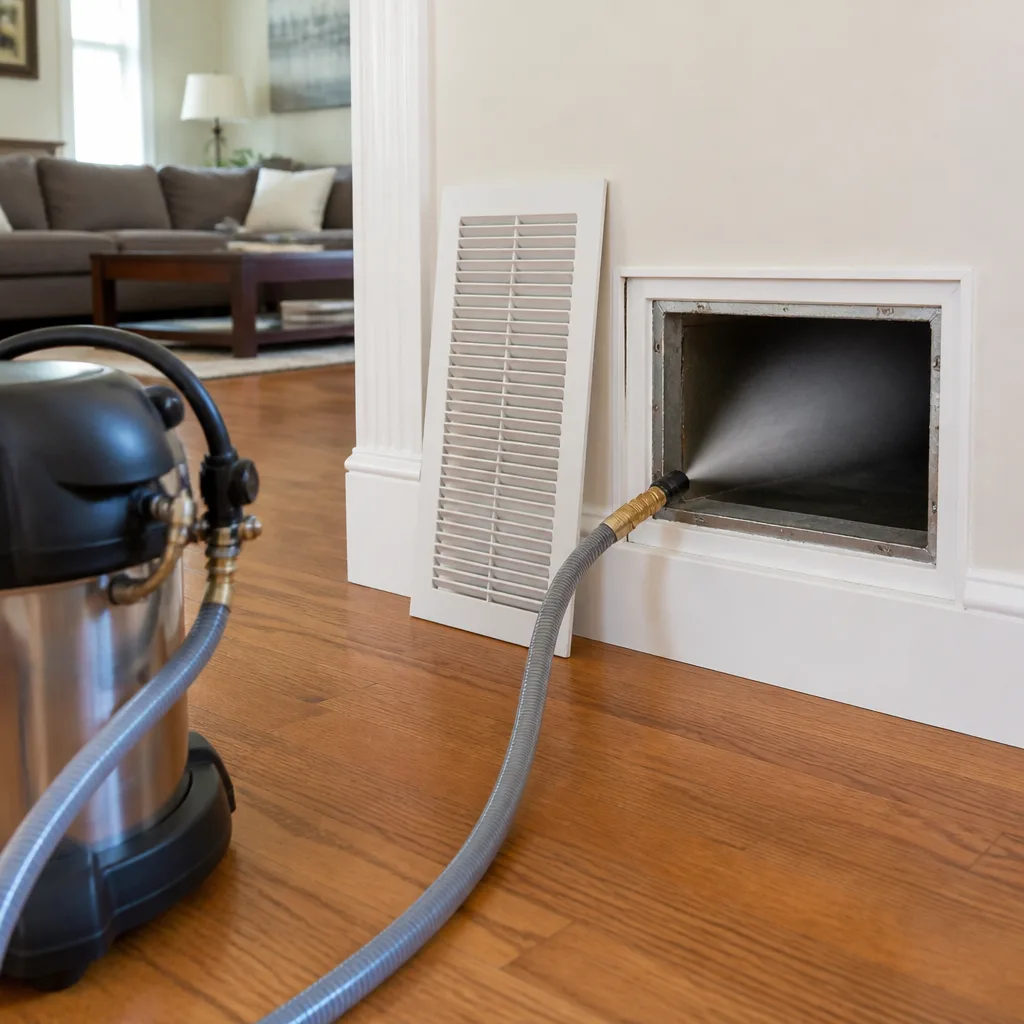 Sanitizing & deodorizing
Whole-system duct and dryer vent check with before-and-after photos - you see exactly what came out of your vents
That "$99 whole-house special" is a bait ad - the real number appears once they are in your hallway, or the "clean" is a shop-vac at the register. We photograph the inside of your ducts before and after instead.
Choosing the Right Air Duct Cleaning Brand: A Buyer’s Guide for North Hills
Most homeowners in North Hills pick a duct cleaning company the way they pick a laundry detergent: a familiar logo wins. That assumption is wrong for this trade, and it’s expensive. National franchise names in duct cleaning are licensed to independent operators who set their own equipment and staffing standards, which means a recognizable brand tells you nothing specific about the tools, training, or scope that will show up at your door. The brand is a sign, not a spec sheet. What you can actually verify – equipment, containment, documentation, and one agreed scope – is what protects your air and your wallet. This guide shows you how to evaluate that, in North Hills and anywhere else.
Quick Answer
Choosing the right air duct cleaning brand in North Hills isn’t a brand decision – it’s an equipment and process evaluation. The contractor worth hiring can tell you their containment method, name their cleaning equipment, agree the scope in writing before work starts, and hand you a post-job report. A logo tells you none of that. Look for documented specs and full-system capability, not a familiar name.
Styles & brands we work with
- Whole-home duct cleaning
- Dryer vent cleaning
- Camera inspection
- Sanitizing & deodorizing
Table of Contents
- Why Brand Names Don’t Prove Process Quality
- The Five Operational Transparency Markers
- How to Read Duct Cleaning Reviews Like a Technician
- What Full-System Capability Actually Means
- Questions That Reveal Operational Depth
- What Equipment Specs Should Be on the Table
- Pre-Job Scope and Post-Job Documentation
- North Hills Context: What Local Jobs Involve
- Common Mistakes to Avoid
- When to Call a Professional
- Frequently Asked Questions
Why Brand Names Don’t Prove Process Quality
Here’s the part the franchise marketing leaves out. Most national duct cleaning brands don’t send employees. They license the name to an independent local operator, and that operator decides what equipment to buy, how to train the technicians, and how much of the job to actually perform. Two trucks under the same national logo in two different states can be running completely different operations: one with truck-mounted suction and a documented report, one with a rented shop vac and a coupon flyer. Same sign, different trade.
That’s why the “best” brand on paper can be a coin flip in practice. The name doesn’t run the vacuum. A person with a schedule does.
Local independent contractors, by contrast, can usually be evaluated on specifics. You can ask what equipment they run and get a straight answer. You can ask their containment method and hear a real one. You can ask for a sample post-job report and see one. That’s operational transparency, and it’s what a buyer in North Hills should actually be shopping for – not the logo on the truck.
Small local specialists also tend to keep one team across the full airflow system: the supply and return ducts, the HVAC cleaning side, the dryer vent, and the sealing and repair. When you buy a name instead of a process, you often lose that continuity and end up coordinating between vendors who never talked to each other.
This doesn’t mean every franchise is bad or every independent is good. It means the sign is noise. The signal is underneath it.
The Five Operational Transparency Markers
When we evaluate the trade from the inside, five things separate a credible duct cleaning specialist from a company that bought a logo and a truck. Use this list as your shortlist filter. A company that can answer all five earns a serious conversation.
- NADCA certification. NADCA – the National Air Duct Cleaners Association – sets the industry’s source removal standard. Ask whether the company follows it and whether technicians are certified. An operator who has never heard of it isn’t cleaning to a recognized standard, whatever the brochure says.
- Documented equipment specs. A credible company can name its rotary brush system, its negative-air machine, and roughly its suction capacity. If the answer is “professional equipment,” that’s not a spec, it’s a slogan.
- Pre-job scope agreement. Before a single hose goes in, you should have a written or clearly stated scope: what’s being cleaned, how many systems, what’s included, what isn’t. One agreed price per system. No surprise add-ons once the tech is on site.
- Post-job inspection report. The job isn’t done until you have documentation: what was cleaned, what was found, and before-and-after photos. A company that skips this has no way to prove the work happened.
- Clear add-on disclosure policy. If sanitizing, sealing, or filtration upgrades are offered, they should be explained up front with pricing, not floated mid-job as an emergency. That distinction alone filters out a lot of bait-and-switch operators.
None of these require you to be an HVAC technician to check. You just have to ask, listen for specifics, and notice when the answers stay vague. The “best air duct cleaning company North Hills” search should be settled by that test, not by whoever paid for the top ad.
How to Read Duct Cleaning Reviews Like a Technician
Most duct cleaning reviews are useless indicators of quality, because they measure politeness, not work. “Friendly staff, arrived on time” tells you the tech was courteous. It tells you nothing about whether the ducts are actually clean. When you’re evaluating online reviews, filter for the signals that indicate a genuine technical job was done.
- Specifics over sentiment. A review that mentions before-and-after photos, a named piece of equipment, or a post-job report is doing real work. A five-star “great service, highly recommend” is not.
- Process details. Look for reviews that reference the containment setup, the scope agreement, or the technician explaining what they found. That’s the fingerprint of a thorough job.
- Consistency, not volume. A handful of reviews describing the same process repeatedly beats a flood of generic praise with no detail. Volume can be bought. Recurring technical language can’t easily be faked.
- How complaints are answered. Any company gets a complaint eventually. What matters is whether the response is a real explanation of what went wrong and how it was fixed, versus a defensive boilerplate reply.
- Red flags in the negatives. Reviews that mention surprise charges, no post-job report, or “they were in and out in 20 minutes” are telling you the process was thin. A legitimate whole-system job takes longer than a fast cup of coffee.
We’ve seen how easily a review section can become a popularity contest detached from the work. Read it the way a technician reads a work order: looking for specifics that prove someone actually cleaned something.
What Full-System Capability Actually Means
“Full-system” gets thrown around, so it’s worth pinning down. In practice it means one contractor can clean, treat, seal, and repair every part of the airflow chain: the supply and return ducts, the HVAC components, the dryer vent, and the sealing and repair work. It’s not a single job. It’s a complete chain, and it’s why a company that can’t handle all of it leaves you coordinating between vendors who never talked.
Here’s what that chain looks like, and why each part matters together:
- Supply and return air ducts. The core. This is the air duct cleaning most homeowners are actually shopping for, and it needs proper brush-and-vacuum source removal.
- HVAC components. The blower, coils, and cabinet get contaminated too. The system works harder when ducts are clogged or leaking, so cleaning the air handlers and the ductwork together is the sensible unit of work.
- Dryer vent. Overlooked by many duct cleaners, and it’s a leading cause of residential fires. Our dryer vent cleaning is treated as a safety job, not an upsell.
- Air quality and sanitizing. Treating the air moving through the system, not just scrubbing the walls of the ducts.
- Duct repair and sealing. Leaks and damage found during cleaning get fixed in the same visit, rather than scheduled with a separate trade and a separate invoice.
When one team handles all five, the accountability stays in one place. If the ducts were treated and sealed under one scope, there’s no gap where the duct cleaner blames the HVAC tech and vice versa. That coordination cost – and the finger-pointing that comes with it – is a real reason to favor the full-system specialist over the brand that outsources half the job.
Questions That Reveal Operational Depth
The fastest way to separate a real specialist from a logo is to ask two questions most buyers never think to ask. The answers are information-rich, and you can judge them even without technical training.
Question 1: “What’s your containment method during cleaning?”
This matters because cleaning dislodges debris, and if there’s no containment, that debris goes somewhere. Acceptable answers describe negative air pressure: a machine pulling air and dust out of the system and into a controlled path, so contaminants leave your home rather than redeposit on your furniture. We use Nikro negative-air machines for exactly that, and Abatement Technologies air scrubbers during sanitizing work to keep air quality controlled while the job is running. An unacceptable answer is a shrug, “we’re careful,” or “the vacuum catches it.” Those tell you nothing was engineered to contain anything.
Question 2: “What does your post-job report include?”
Acceptable answers describe documentation: what was cleaned, what condition each part was in, and before-and-after photos, usually with an inspection summary. Unacceptable answers are “we don’t normally do one” or “you can look at the vents.” A company that can’t hand you evidence of the work has no process to hand you either.
Two more that reveal depth:
- “What equipment do you run?” Look for a named rotary brush system (Rotobrush is the industry-standard rotary brush-and-vacuum system used by HVAC contractors nationwide) and named negative-air equipment. If the answer is generic, so is the job.
- “Is sanitizing included or separate, and what does it cost?” A clear add-on disclosure answer here tells you the company won’t surprise you mid-job.
What Equipment Specs Should Be on the Table
This is where the brand-versus-process argument gets concrete. Good duct cleaning is done with brush-and-vacuum systems engineered for ductwork, not repurposed shop vacs. When a company can name its equipment, it can also usually explain why it air duct cleaning north hills was chosen – the kind of operational transparency that separates a real specialist.
What to expect when you ask:
- Rotary brush systems. Rotobrush rotary brush-and-vacuum equipment is what professional HVAC contractors reach for because it agitates and captures at the same time, rather than blowing dust loose and hoping. The brush needs to match the duct material, which an equipment-literate operator can explain.
- Negative-air machines. Nikro negative-air units create controlled suction that captures dislodged debris rather than redistributing it through the home. That’s the containment answer from the last section, in equipment form.
- Air scrubbers. Abatement Technologies air scrubbers are deployed during sanitizing work to maintain air quality throughout the cleaning process. That’s the difference between “we’ll clean the ducts” and “we’ll actually manage what’s in the air while we do it.”
- Filtration and air-quality products. If a company can also recommend and install filtration upgrades – Honeywell and Aprilaire are the names to know – it can bridge cleaning and long-term air management. That’s not a cleaning job, that’s a system design conversation.
A company that can walk you through its equipment like this is demonstrating that it understands the job at the level of parts, pressure, and material. One that can’t is asking you to buy a process it can’t describe.
Pre-Job Scope and Post-Job Documentation
The two documents every duct cleaning job should produce are the scope at the start and the report at the end. Together they close the loop that the franchise model often leaves wide open.
Before work starts: You should have a clear scope – which systems are being cleaned, what’s included, what’s not, and why. One flat price per system should be agreed in writing before the first hose goes in. That’s not a sales nicety; it’s your protection against the classic bait-and-switch, where a low teaser becomes a much larger invoice once the technician is on site. If the scope can’t be quoted as a clear per-system price, ask what’s missing.
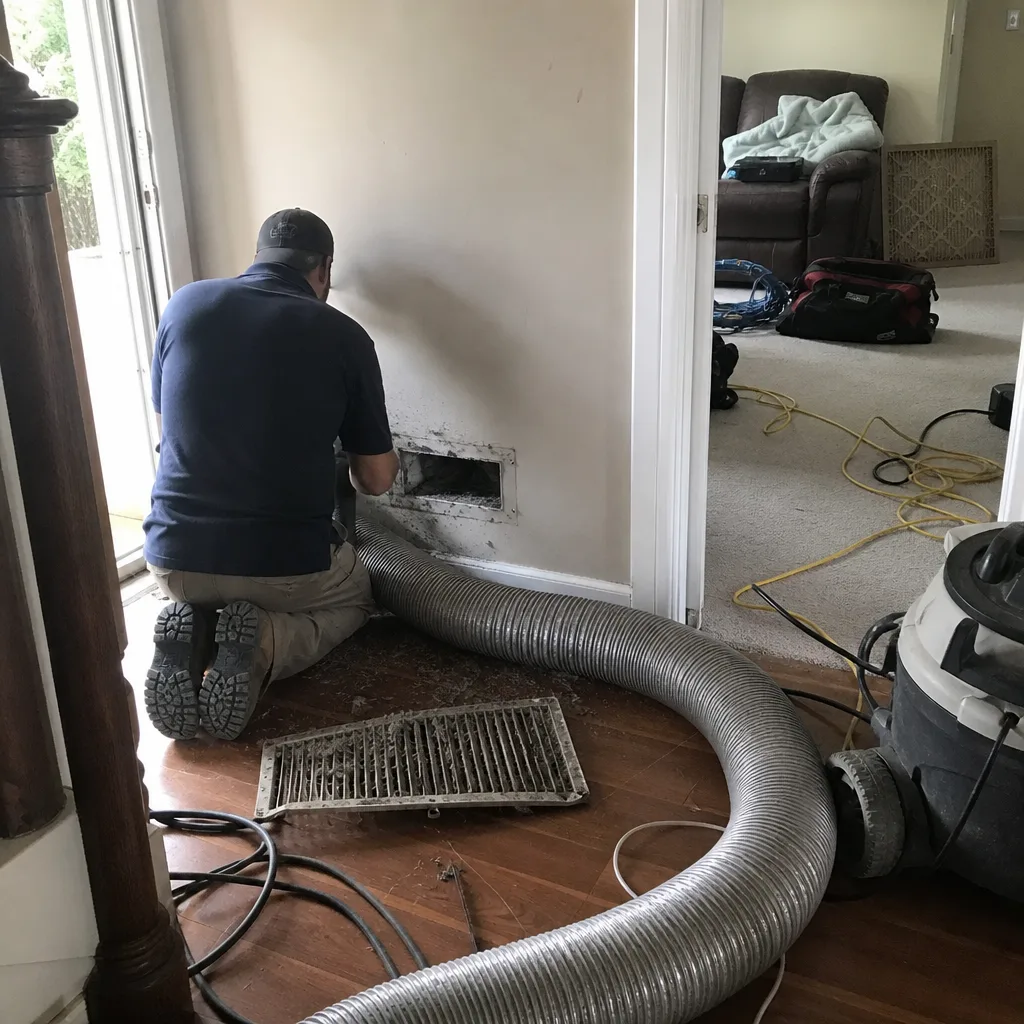
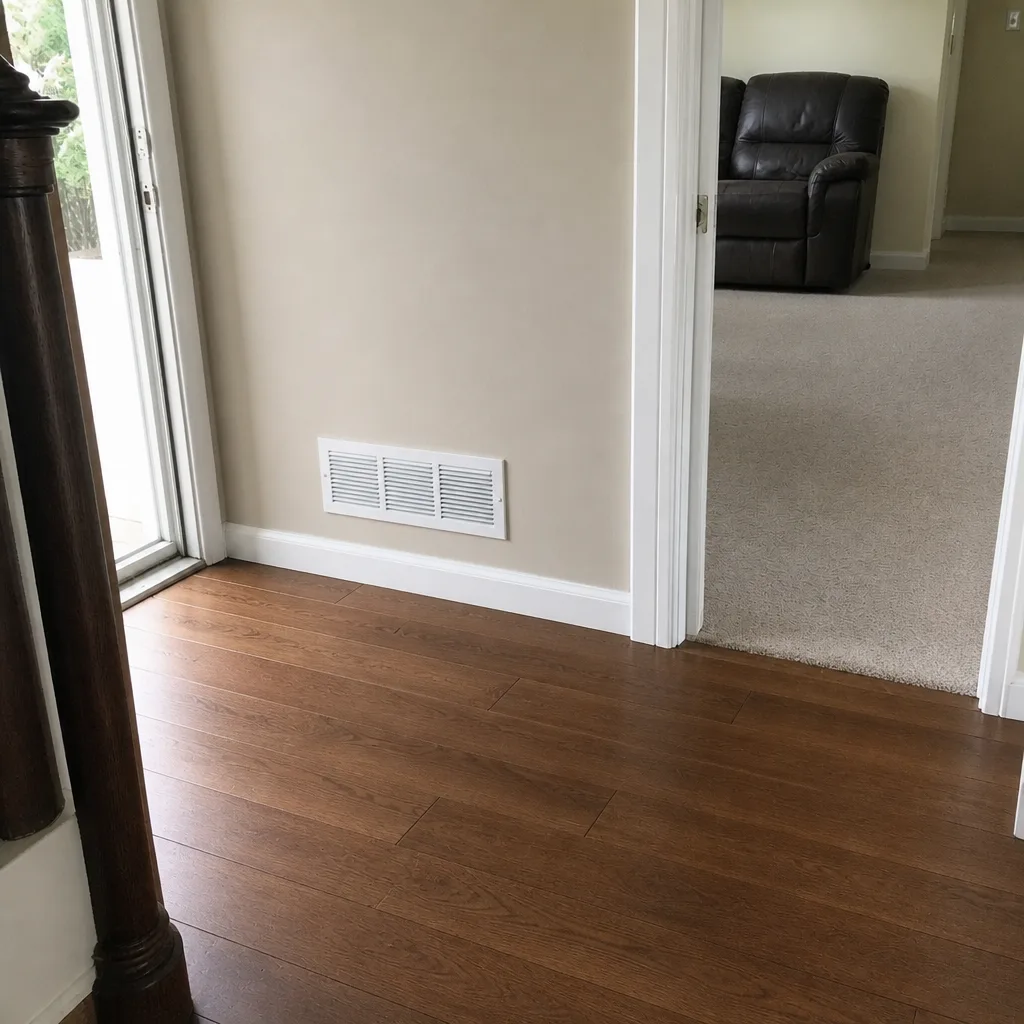
After work: A post-job report should document what was cleaned, what condition each component was in, and include before-and-after photos of your own system so you can see what changed. This is also your evidence if the job turns out to be partial. The franchise model often has nobody accountable for producing it. A local specialist has a direct reason to.
The Air Duct Cleaning North Hills approach is this: get the scope settled in one conversation, keep the price flat per system, and put the photos and report in your hands at the end. That’s the loop. Everything else is branding.
North Hills Context: What Local Jobs Involve
Duct work in North Hills has local character worth knowing. The climate here runs cold in winter and warm and humid in summer, which means the system is asked to move a lot of conditioned air and then stop. Homes in this area tend to run heat and air conditioning on alternating seasons, and both can leave the returns and supply runs carrying the dust and humidity a cleaning is meant to remove. When we evaluate duct condition in North Hills, that seasonal swing is part of the conversation.
Local homes also vary in how accessible the ductwork is. Layout, ceiling height, and where the air handler sits all shape how a job gets done, and a contractor who has worked in the area can usually tell you what a given system will take. Duct cleaning in North Hills is not a one-size fit; a thorough job starts with a real look at the system, not a coupon.
If you’re comparing a national brand against a local operator, weigh that local knowledge. A company that has worked on the same kind of systems across the region is more likely to have the containment setup and the report already standardized, and fewer surprises on a house type it hasn’t seen.
That’s why the “best air duct cleaning company North Hills” question is better answered by who can describe their process than by who has the biggest sign. Our technicians have up to 12 years of experience with exactly these kinds of systems, and the five-service menu – cleaning, dryer vent, HVAC, air quality and sanitizing, and repair and sealing – is what lets a North Hills home get handled as one airflow system.
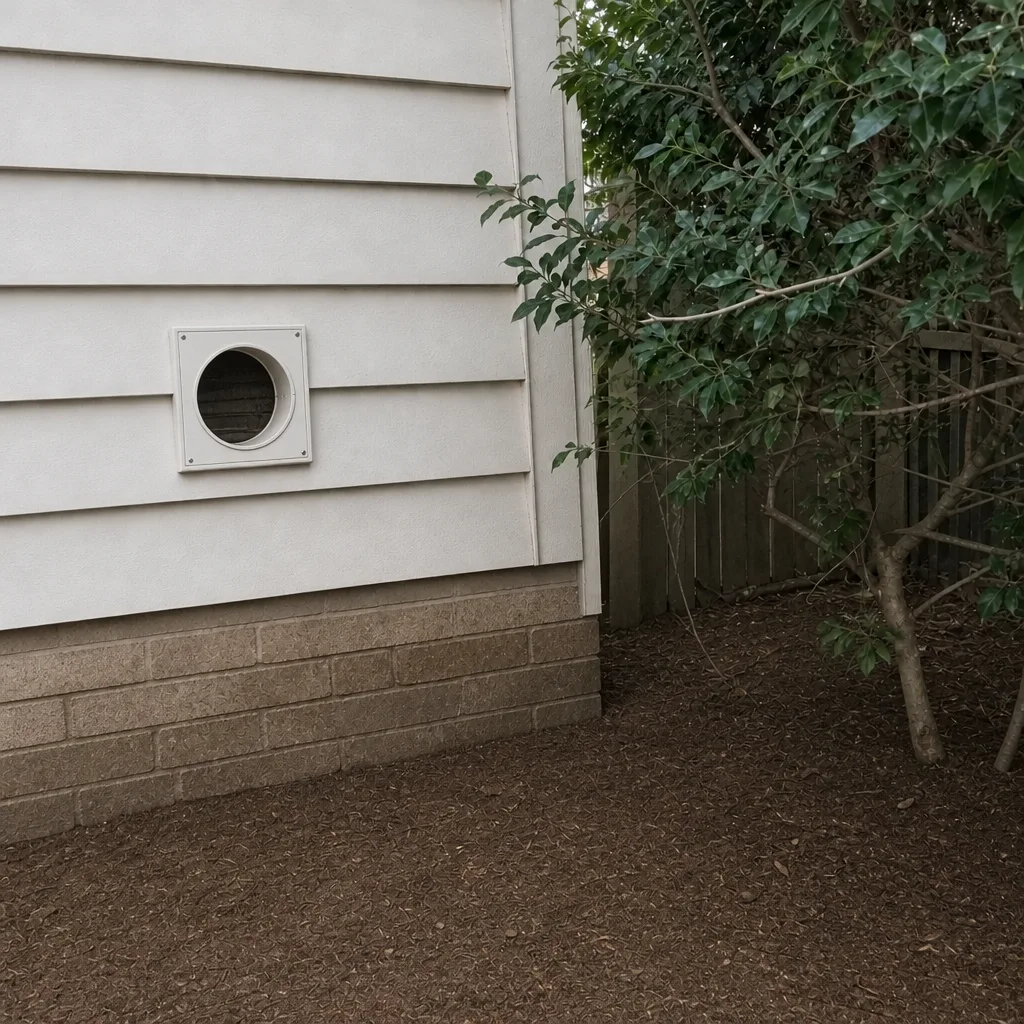
See the difference
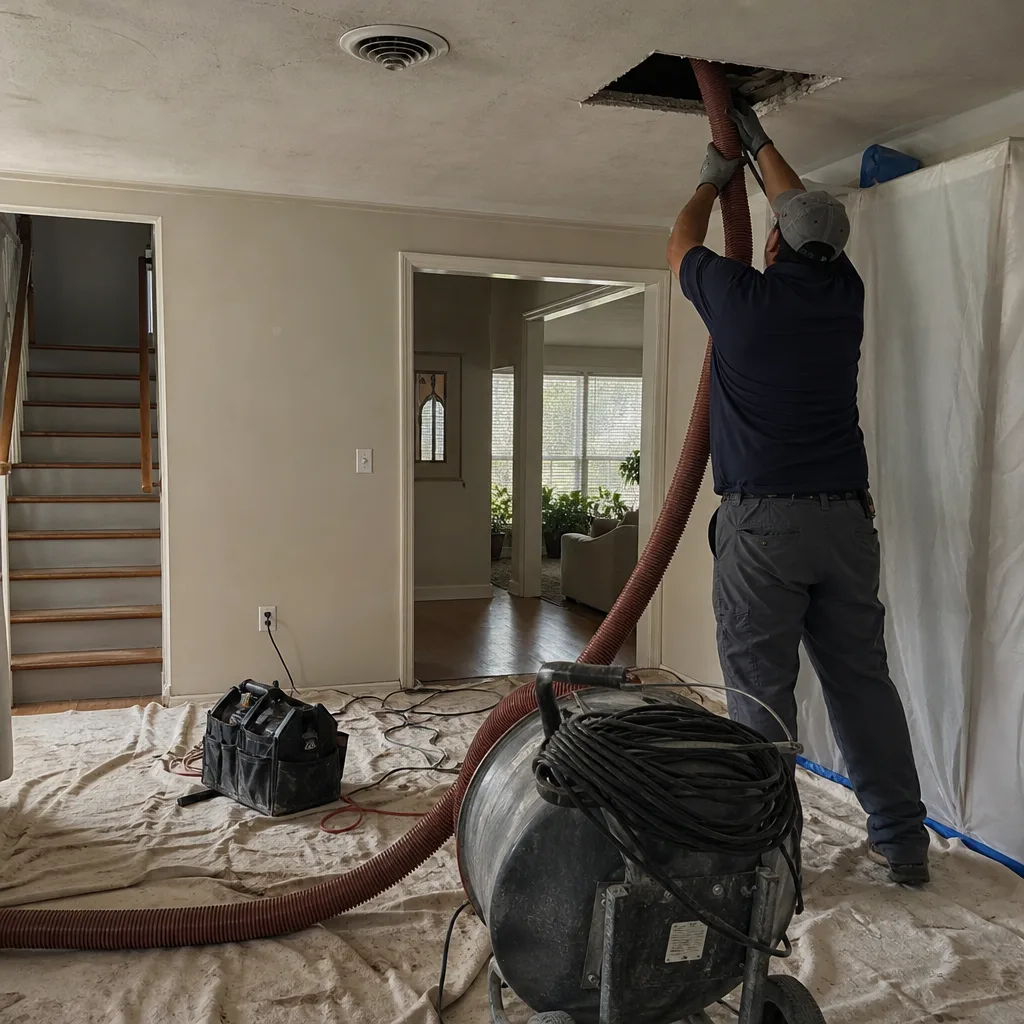 Before
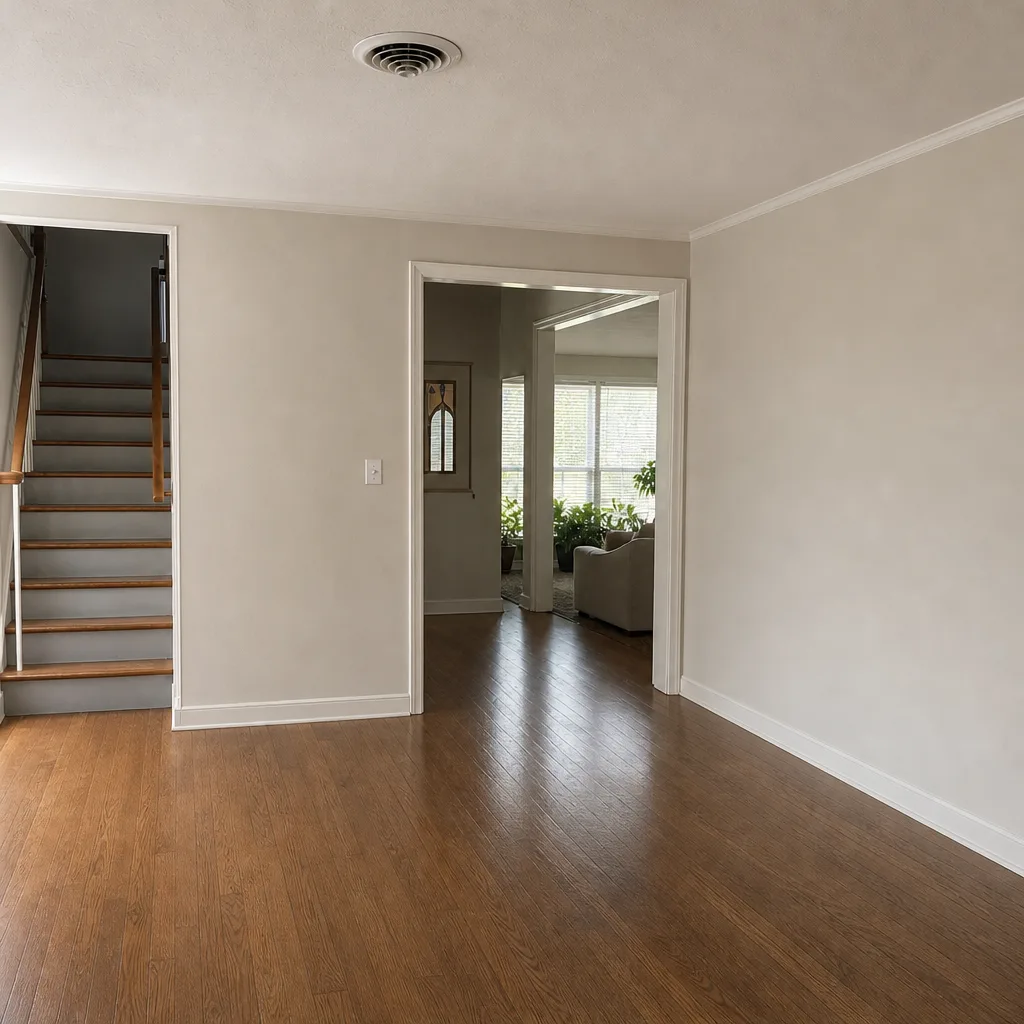 After
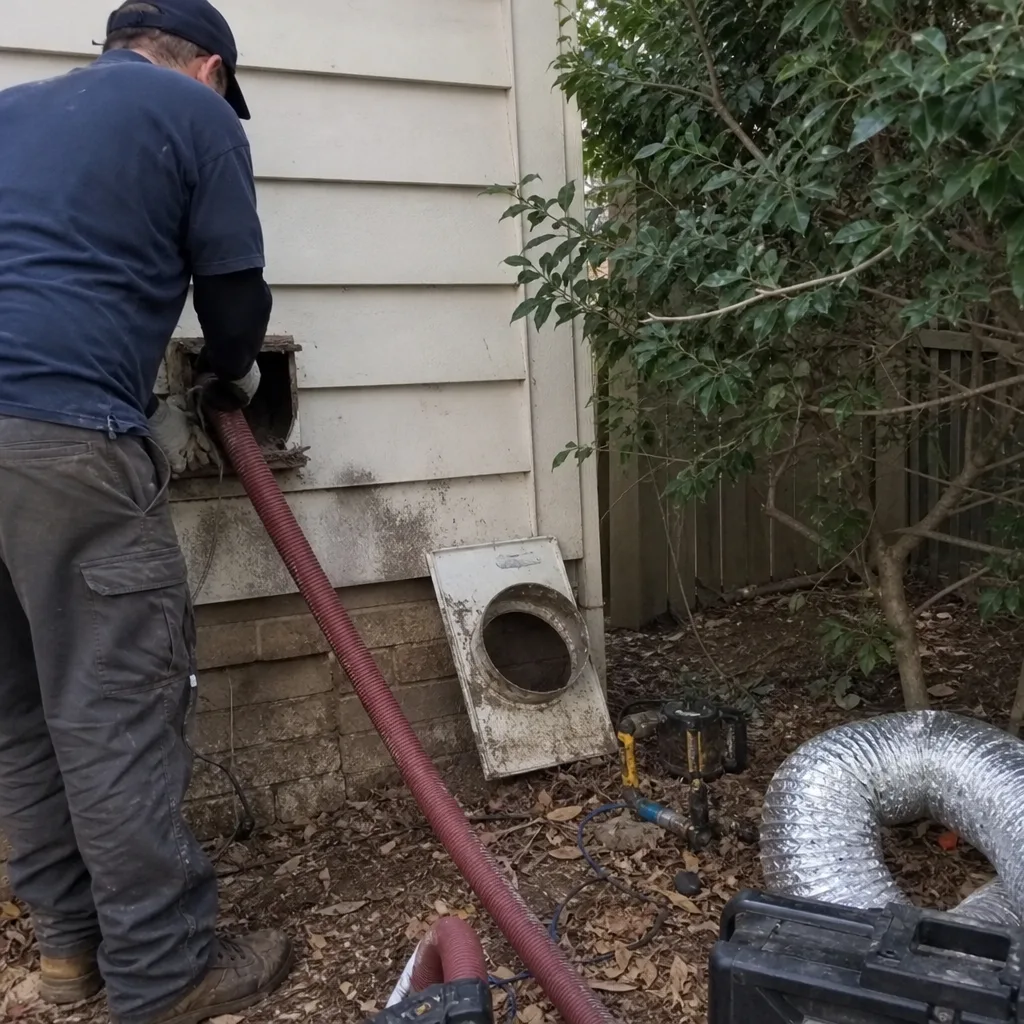 Before
 After
 Before
 After
Common Mistakes to Avoid
- Buying the logo instead of the process. A national name is a license to an independent operator, so the sign tells you nothing about the truck. Ask for equipment, containment, and scope instead.
- Accepting a teaser price without a scope. A very cheap opening figure with no per-system agreement in writing is the bait-and-switch pattern. One flat price per system, agreed before work starts, is the honest structure.
- Skipping the post-job report. If nobody hands you before-and-after photos and a summary, you can’t tell if the work actually happened. In North Hills, that’s the one document worth insisting on.
- Assuming “fast” means thorough. A whole-system cleaning takes real time and equipment. In-and-out in minutes is a red flag, not a virtue.
- Treating the dryer vent as an optional extra. It’s a leading cause of residential fires. If a duct company doesn’t offer it as part of the job, that’s a gap in their coverage.
- Hiring three separate trades for one system. If cleaning, HVAC, and sealing go to different vendors, you own the coordination and the accountability gap. Full-system capability closes it.
- Not asking about sanitizing before the job. Add-ons floated mid-job are where charges appear. Ask for the add-on disclosure policy up front and get it in the scope.
When to Call a Professional
Call a professional when the signs are visible: dust settling quickly on surfaces, a musty odor that returns shortly after cleaning, allergy symptoms that seem tied to time indoors, visible debris around vents, or a dryer that takes noticeably longer to dry clothes. Those are reasons to have the system evaluated, not reasons to run a shop vac over a vent register. Cleaning dislodges debris, and containment and negative air are what keep that debris out of your home – which is why trained professionals with the right equipment are the right call.
Air Duct Cleaning North Hills offers free estimates in North Hills. Call (844) 443-4850. We answer 24/7. Fast dispatch from 7am to 7pm, Sunday through Friday.
Frequently Asked Questions
Air duct cleaning in North Hills is priced per system, not per vent, and the honest way to know your number is a written estimate for your specific system. A reputable company agrees one flat price per system before work starts, so the final invoice matches the quote. That structure is the actual protection – a teaser price today is what turns into a surprise later. Call (844) 443-4850 for an exact quote – estimates are free.
Some quotes are lower because the scope is thinner: less equipment, no containment, no post-job report, or a price designed to grow once the technician is on site. When you compare quotes, compare what’s included, not just the number. A quote that names the scope, the equipment, and the add-on policy is the one worth comparing against. Call (844) 443-4850 to see a scope-based estimate.
Ask for a post-job report with before-and-after photos of your own ducts, plus a written summary of what was cleaned. That’s the evidence a real job leaves behind. A company that can’t produce one has nothing to point to. If that matters to you, ask for it before the job starts and make it a condition of the scope. Call (844) 443-4850 to ask what our report includes.
Most homes don’t need a fixed calendar; the right interval depends on your system, your filtration, and what’s happening in the home. Visible dust or musty odors returning, recent HVAC work, or a dryer vent that needs attention are better triggers than a marketing reminder. When in doubt, have the system evaluated rather than cleaned on a schedule. Call (844) 443-4850 for a free estimate and an honest read on whether you need it now.
No. National duct cleaning names are usually licensed to independent local operators who set their own equipment and training standards, so the name doesn’t guarantee the process. What guarantees it are equipment specs, a containment method, a pre-job scope, a post-job report, and a clear add-on policy. Judge those, not the logo.
Yes, and it’s the better way to buy it. Air Duct Cleaning North Hills covers all five service categories – air duct cleaning, dryer vent cleaning, HVAC cleaning, air quality and sanitizing, and duct repair and sealing – under one scope, so leaks and damage found during cleaning get fixed in the same visit instead of being handed to a second trade. You keep one point of accountability. Call (844) 443-4850 to talk through your system.
The Bottom Line
Picking the right air duct cleaning company in North Hills comes down to equipment and process, not the sign on the truck. A familiar national name is a license, not a spec sheet, and what actually protects your home is a contractor who can name their containment method, describe their equipment, agree one flat price per system before work starts, and hand you before-and-after photos at the end. Ask the two questions that reveal depth – containment and post-job report – and read reviews for technical specifics, not politeness. When one team can clean, treat, seal, and repair the whole airflow chain, you skip the coordination cost and the accountability gap of juggling vendors. That’s what full-system capability buys you.
Air Duct Cleaning North Hills offers free estimates in North Hills. Call (844) 443-4850. We answer 24/7. Fast dispatch from 7am to 7pm, Sunday through Friday.
Written by the team at Air Duct Cleaning North Hills.