
Last updated November 23, 2026
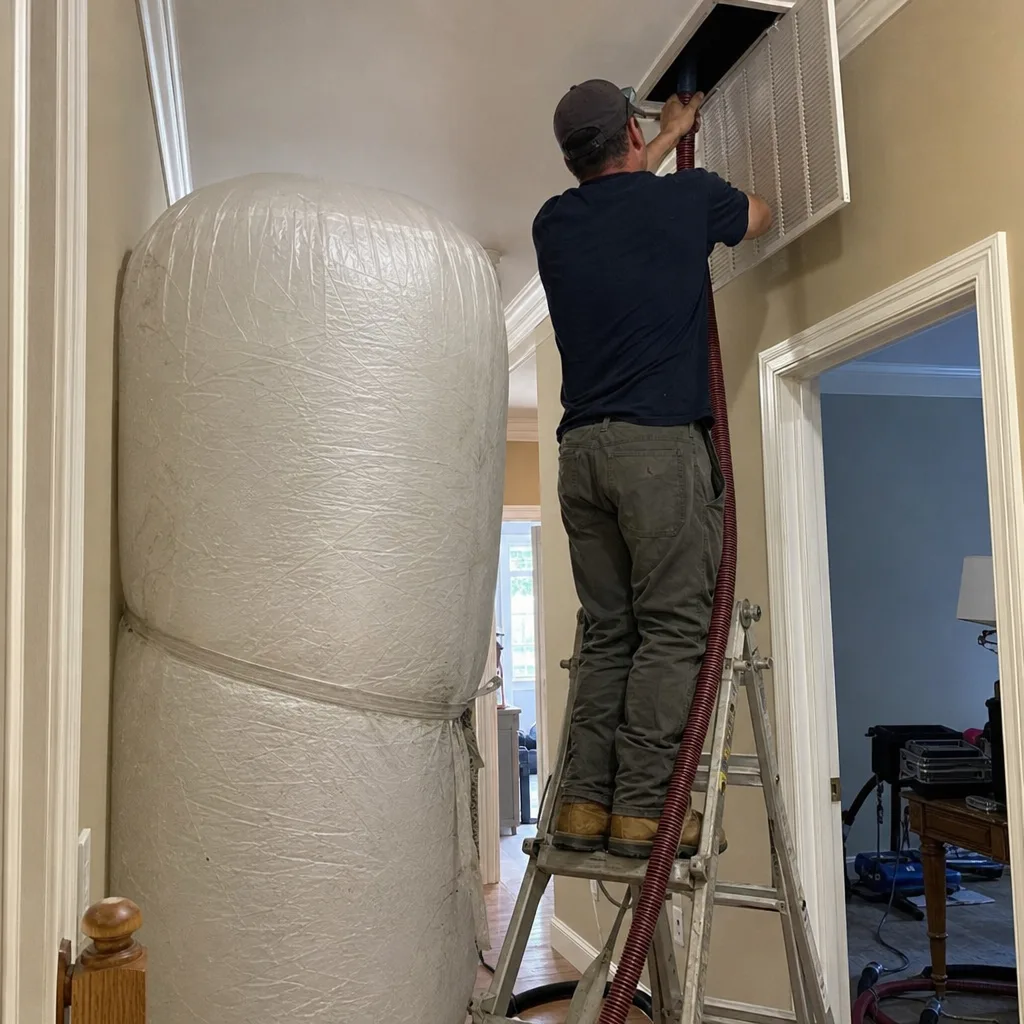
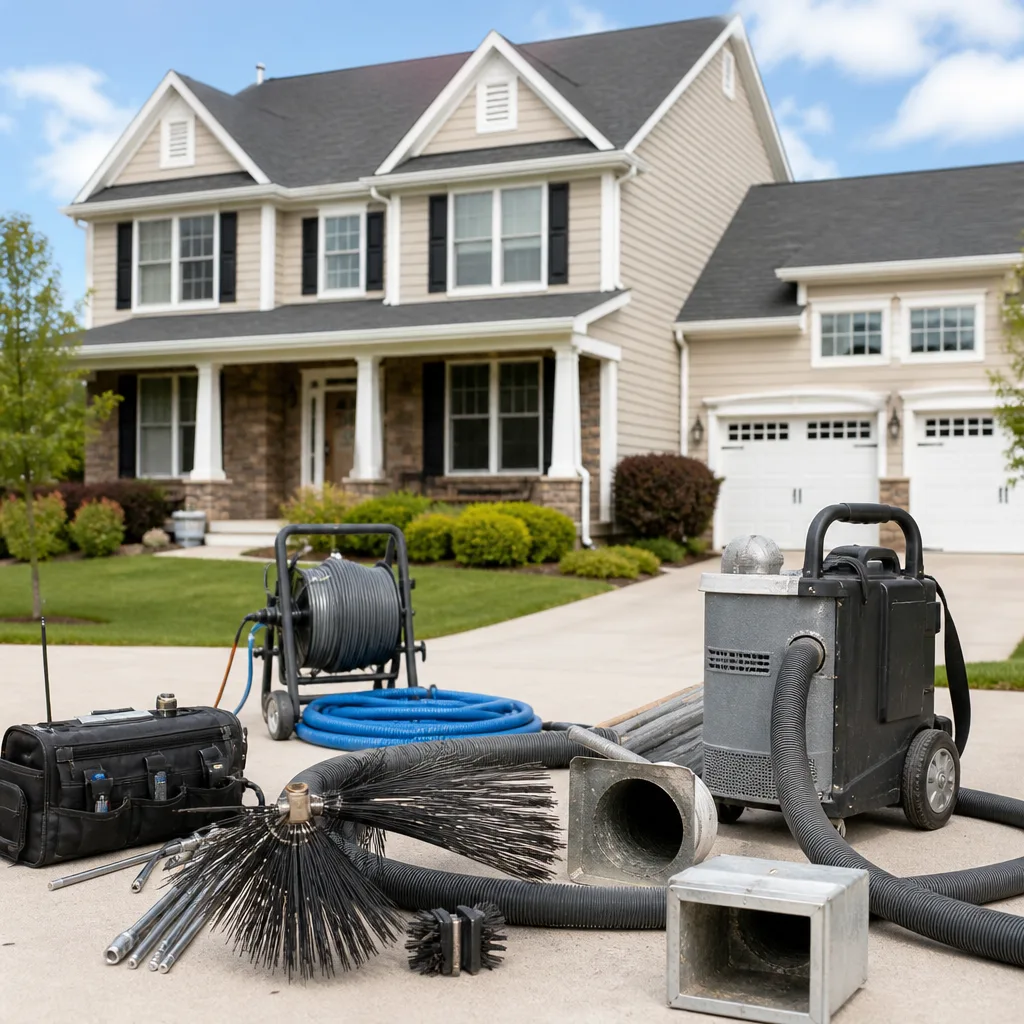 Whole-home duct cleaning
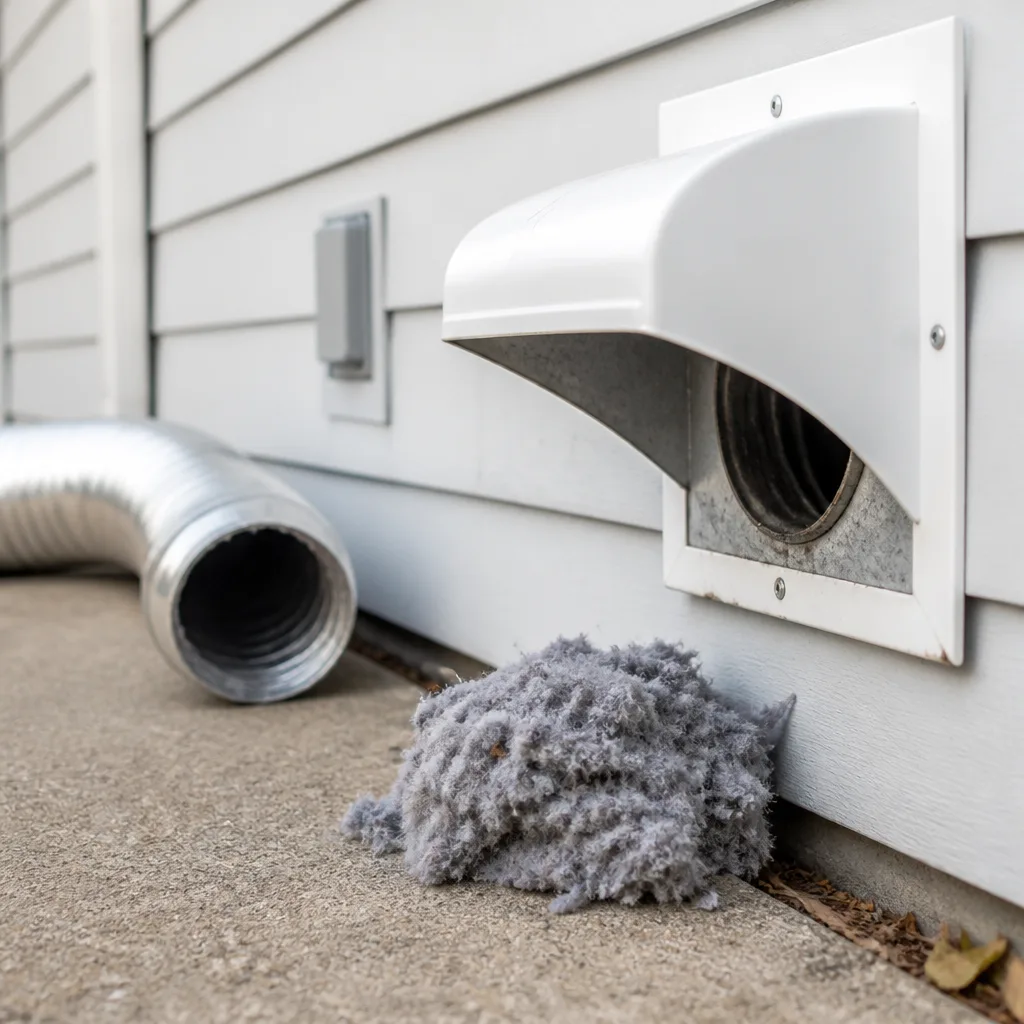 Dryer vent cleaning
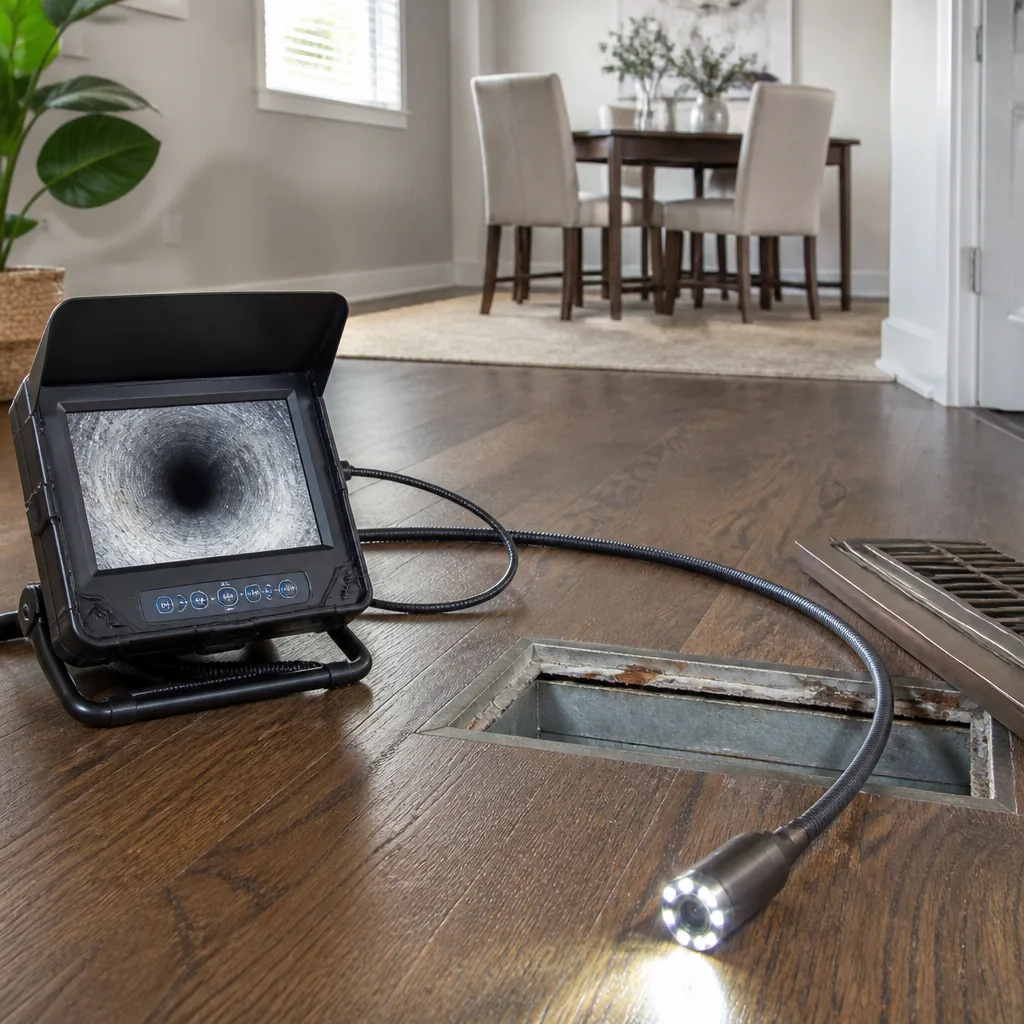 Camera inspection
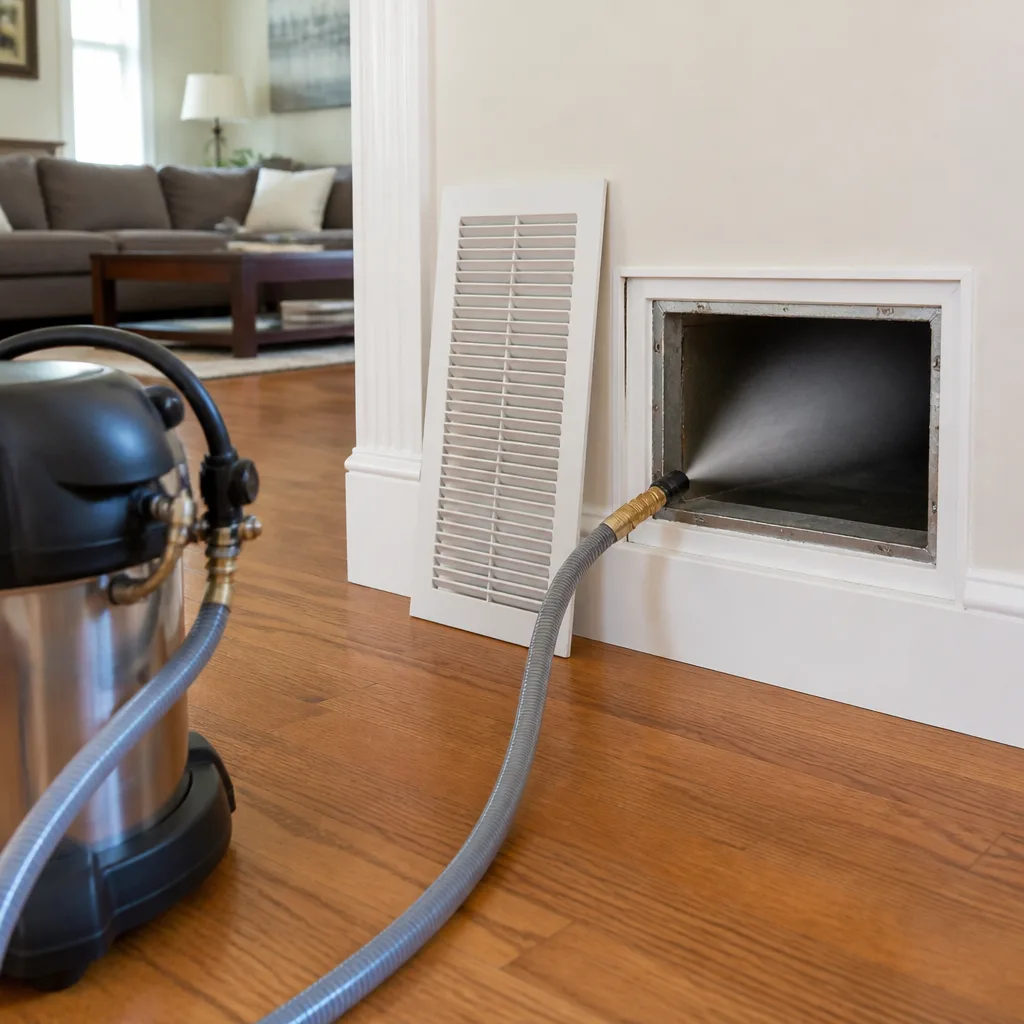 Sanitizing & deodorizing
Whole-system duct and dryer vent check with before-and-after photos - you see exactly what came out of your vents
That "$99 whole-house special" is a bait ad - the real number appears once they are in your hallway, or the "clean" is a shop-vac at the register. We photograph the inside of your ducts before and after instead.
The Complete Guide to Air Duct Cleaning in North Hills
Most duct cleaning jobs address less than 40% of the debris surface area in a typical HVAC system. That’s not a knock on the equipment. It’s a problem of sequence and scope. The blower wheel, the evaporator coil, and the return plenum are where buildup runs heaviest, and those are exactly the parts a quick register-to-register pass never touches. In North Hills, the gap matters more than usual, because two very different housing stocks sit within a few miles of each other and each one hides its dirt in a different place. This guide walks through the mechanical sequence a real full-system clean follows, how older ranch homes and newer construction differ, what NADCA’s ACR standard actually asks for, how Wake County humidity changes the cleaning calendar, and how you verify the work was done.
Quick Answer
A complete air duct cleaning in North Hills means cleaning the entire airflow chain, not just the supply registers: return grilles, return plenum, trunk lines, branch runs, the blower compartment, the evaporator coil, and the air handler cabinet, followed by sanitizing and verification. The order matters, because debris dislodged late in the process contaminates surfaces you already cleaned. Expect a proper job to take several hours and to include documented before-and-after evidence of your own system.
Styles & brands we work with
- Whole-home duct cleaning
- Dryer vent cleaning
- Camera inspection
- Sanitizing & deodorizing
Table of Contents
- Why North Hills Homes Have Two Very Different Duct Problems
- The Mechanical Sequence of a Full-System Clean
- What NADCA’s ACR Standard Requires vs. a Blow-and-Go Job
- How Wake County Humidity Shapes Dust, Mold Spore Load, and Cleaning Frequency
- How You Verify the Work Was Actually Done
- What Air Duct Cleaning Costs in North Hills
- The Complete Airflow Chain: Dryer Vent, HVAC, and Sealing
- Common Mistakes to Avoid
Why North Hills Homes Have Two Very Different Duct Problems
Air duct cleaning in North Hills runs into a split housing stock that most contractors gloss over. The neighborhoods around North Hills include a large block of mid-century ranch-style homes with low-pitch roofs and attic or crawlspace duct runs, sitting a short drive from newer builds with sealed, insulated flex duct and tight envelopes. Those two layouts fail in opposite ways.
Older ranch homes here typically have rigid sheet-metal trunk lines with short branch runs. The metal itself holds up well, but the joints were often sealed with mastic or tape that has since dried and cracked. That means two problems at once: debris settles in the low spots of long horizontal runs, and the leaks at those joints pull attic air, insulation fibers, and crawlspace dust into the airstream. Cleaning a system like that without addressing the seams just re-contaminates it.
Newer construction in and around North Hills leans on flex duct, which is quieter and cheaper to install but sags over time. A sagging flex run creates a low pocket where dust collects and airflow drops. Builders also tend to run tighter, more convoluted paths through engineered joists, so the bends themselves trap debris. Flex duct needs a gentler brush approach than metal, and crushed or torn sections usually need to be replaced rather than cleaned.
- Older ranch homes: rigid metal trunks, cracked mastic joints, attic and crawlspace contamination paths, debris settling in horizontal runs.
- Newer construction: flex duct with sagging runs, tight bends, crushed sections that restrict airflow, and less tolerance for aggressive brushing.
- Both types: a return plenum and air handler that almost never get cleaned on a low-bid visit.
We size the approach to the layout before we start. A rigid-metal system in an older North Hills ranch gets rotary brushing and joint attention. A flex system in a newer build gets controlled suction, lower-speed agitation, and a close look at whether any run needs replacing. Same city, two different jobs.
The Mechanical Sequence of a Full-System Clean
A proper clean runs backward through the system, from the supply registers toward the blower compartment, then out through the return. Order isn’t a formality. If you clean the return first and the supply last, the negative-air machine pulls loosened debris back across surfaces you already finished. Working backward keeps every downstream surface clean when the job ends.
- Set up containment and negative air. We connect a Nikro negative-air machine to the system so the whole duct network is under controlled suction. Dislodged debris travels out of the house instead of settling into your living room. We lay floor protection and seal registers we aren’t actively working.
- Clean the supply registers and branch runs. Rotary brushing with a Rotobrush system breaks loose the adhered dust film on duct walls, and the negative air carries it away. Branch runs get worked from the register back toward the trunk.
- Clean the trunk lines. Long horizontal trunks collect debris in low spots. We work each section with the brush and vacuum combination, paying attention to transitions and takeoffs where dust accumulates.
- Clean the return grilles and return plenum. This is the step a blow-and-go crew skips, and it’s usually the dirtiest part of the system because every particle that passes through the return gets filtered here first.
- Clean the blower compartment and evaporator coil. The blower wheel and coil are where airflow restriction actually lives. A dust-loaded coil forces the system to work harder and can freeze in humid weather.
- Sanitize and scrub the air. With Abatement Technologies air scrubbers running, we apply a sanitizing treatment to the cleaned surfaces. The scrubbers keep air quality controlled throughout the sanitizing step rather than releasing product into an occupied space.
- Verify and document. We measure airflow, run a visual camera inspection of the duct interiors, and photograph the before-and-after condition of your system.
From the supply register to the return air plenum, every component in that chain gets touched. That’s what separates air duct cleaning as a full-system service from a register-and-go visit.
What NADCA’s ACR Standard Requires vs. a Blow-and-Go Job
NADCA’s ACR standard (Assessment, Cleaning, and Restoration of HVAC systems) is the reference point the industry uses for what a legitimate cleaning job includes. It calls for assessment before cleaning, source removal rather than chemical masking, cleaning of all system components that come into contact with the airstream, and verification after the work. The point of the standard is that a duct system is treated as a whole, not as a set of accessible openings.
A blow-and-go service is what you get when a crew prices per vent and works fast. Typically it involves a shop vac or a light air whip at each register, a wipe of the grille face, and no negative air containment. The result looks better at the grille and behaves exactly the same inside the duct. Meanwhile the return plenum, coil, and blower wheel remain untouched, which is where most of the actual airflow restriction lives.
Here’s the practical difference, laid out plainly:
- Assessment first: the ACR standard starts with an inspection of the system, and the cleaning plan follows what that inspection finds. A blow-and-go job starts and ends with the price.
- Source removal: debris is physically removed from the system under controlled suction. It isn’t dislodged and left to resettle, and it isn’t masked with fragrance.
- All airstream components: supply, return, plenum, coil, and air handler. Not just the parts the technician can reach without tools.
- Containment: negative air keeps the workspace and the home protected during the job.
- Verification: the work is documented, not just described.
When we quote a job in North Hills, the scope is the whole airstream, and the price is agreed as one flat figure per system before work starts. That structure exists because per-vent pricing is exactly how a low coupon turns into a much larger invoice once the technician is inside your home.
How Wake County Humidity Shapes Dust, Mold Spore Load, and Cleaning Frequency
Wake County’s humid summers are the single biggest local factor in how often a duct system genuinely needs cleaning. Warm, moist air holds more particulate and creates conditions where mold spores can settle and grow on damp duct surfaces, especially on the cool side of the system where condensation forms. Spring pollen in this part of North Carolina is heavy, and much of it gets pulled into the return before the filter catches it.
A home that runs its air conditioning hard from late spring through early fall is moving a lot of air through the same ductwork, and every cubic foot carries dust, pollen, and spores. The filter catches some of it. The rest settles on duct walls, the blower wheel, and the coil face. Over a few cooling seasons, that accumulation becomes visible and starts to affect airflow.
What that means for cleaning frequency:
- Everyday homes: most systems in North Hills benefit from a full clean every three to five years, sooner if you notice dust returning quickly after cleaning the house.
- High-pollen or high-occupancy homes: two to three years is a more realistic interval when windows are open in spring, pets live indoors, or several people share the space.
- Homes with recent renovation: construction dust is fine and travels deep into the system. A clean after major work is worth doing regardless of the calendar.
- Musty odors: an odor that returns when the system runs usually points to moisture and biological growth on duct or coil surfaces, and that calls for inspection rather than waiting out the interval.
Humidity also affects how the job itself is done. Duct surfaces that stay damp hold dust more stubbornly, which is why controlled suction and mechanical brushing matter more here than in a dry climate. It’s also why the sanitizing step belongs in the process rather than as an optional extra.
How You Verify the Work Was Actually Done
The single most common doubt homeowners raise is simple: how do I know the ducts are actually clean? The answer is documentation. A professional job produces evidence, and it should be handed to you at the end. If a crew can’t show you what changed, you’re being asked to take the work on faith.
Here’s what verification looks like on a real job:
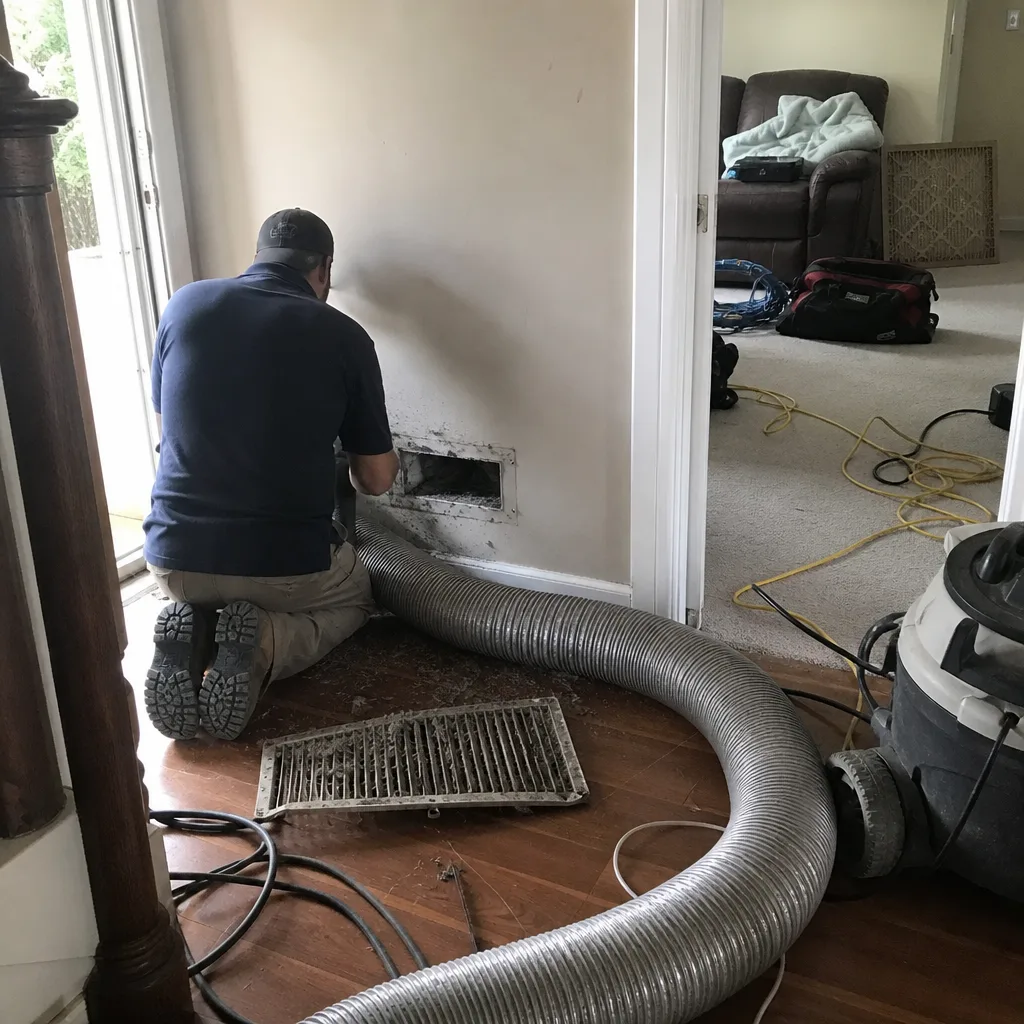
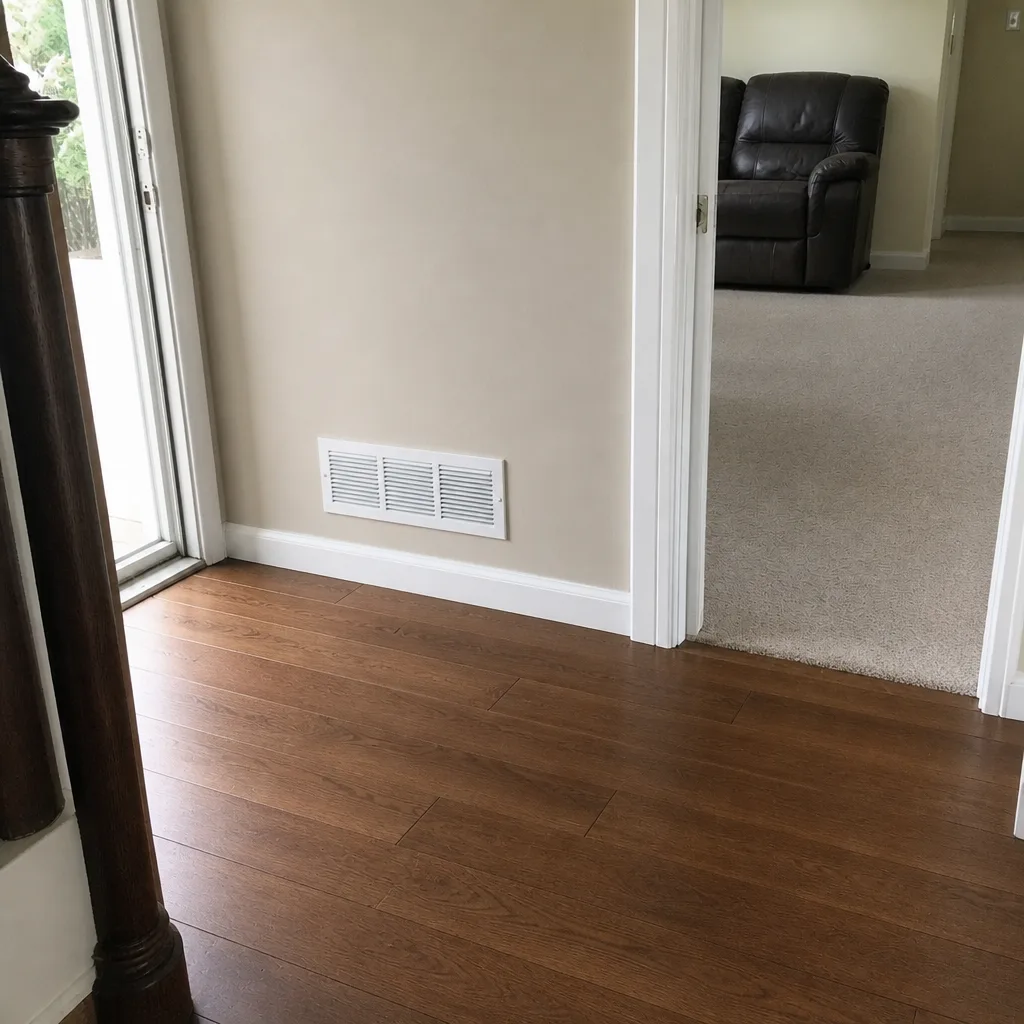
- Before-and-after photos of your own system. Not stock images from a brochure. Photographs of your return plenum, your blower compartment, and your duct interiors, taken during the job.
- Visual camera inspection. A camera run through the ductwork after cleaning shows the interior condition directly. You can see whether the duct walls are clean or still coated.
- Airflow measurement. Comparing airflow at the registers and at the air handler before and after shows whether the clean actually improved delivery. Ducts that were restricted should move more air when they’re clean.
- Filter baseline documentation. A record of the filter condition and type at the time of cleaning gives you a starting point for tracking how quickly the system loads up again. It also tells you when the next filter change is due.
We take photographs of the before-and-after condition as a standard part of the visit, and we walk you through what the camera found. The written estimate sets the price, and the documentation sets the record of what was done. Both matter when you’re evaluating a contractor in North Hills.
What Air Duct Cleaning Costs in North Hills
Air duct cleaning in North Hills is priced per system, not per vent, and the final price comes from a written estimate after the technician assesses your system. As a general guide, the ranges below reflect what a full-system job typically runs when it includes the whole airflow chain, sanitizing, and documentation rather than just a register pass.
| Service | Typical Estimated Range |
|---|---|
| Full-system air duct cleaning (supply, return, plenum, blower, coil) | $450 – $900 |
| Dryer vent cleaning | $120 – $250 |
| HVAC cleaning (air handler and coil focus) | $250 – $500 |
| Sanitizing treatment | $150 – $350 |
| Duct repair and sealing (per section, varies by extent) | $200 – $600 |
Those figures are estimates only. The written estimate you receive after the system assessment is the number that governs the job. We agree to one flat price per system before any work starts, which means no surprise line items once the technician is in your home.
If you’re comparing quotes, ask each contractor what’s included. A quote that covers only the supply registers will naturally come in lower than one that covers the return plenum, the coil, and the blower. Those two jobs aren’t comparable, and the cheaper price reflects a smaller scope, not a better deal. For a real comparison, look at what’s covered, what equipment is named, and what documentation you’ll receive at the end.
The Complete Airflow Chain: Dryer Vent, HVAC, and Sealing
Your duct system doesn’t stop at the registers. It starts at the return grille, runs through the air handler and coil, and continues out through the supply side, and in many homes a separate exhaust path runs from the dryer. Handling the whole chain in one visit means the parts work together. Handling them piecemeal means a cleaned duct system gets recontaminated by a leaking joint or a clogged dryer vent that nobody touched.
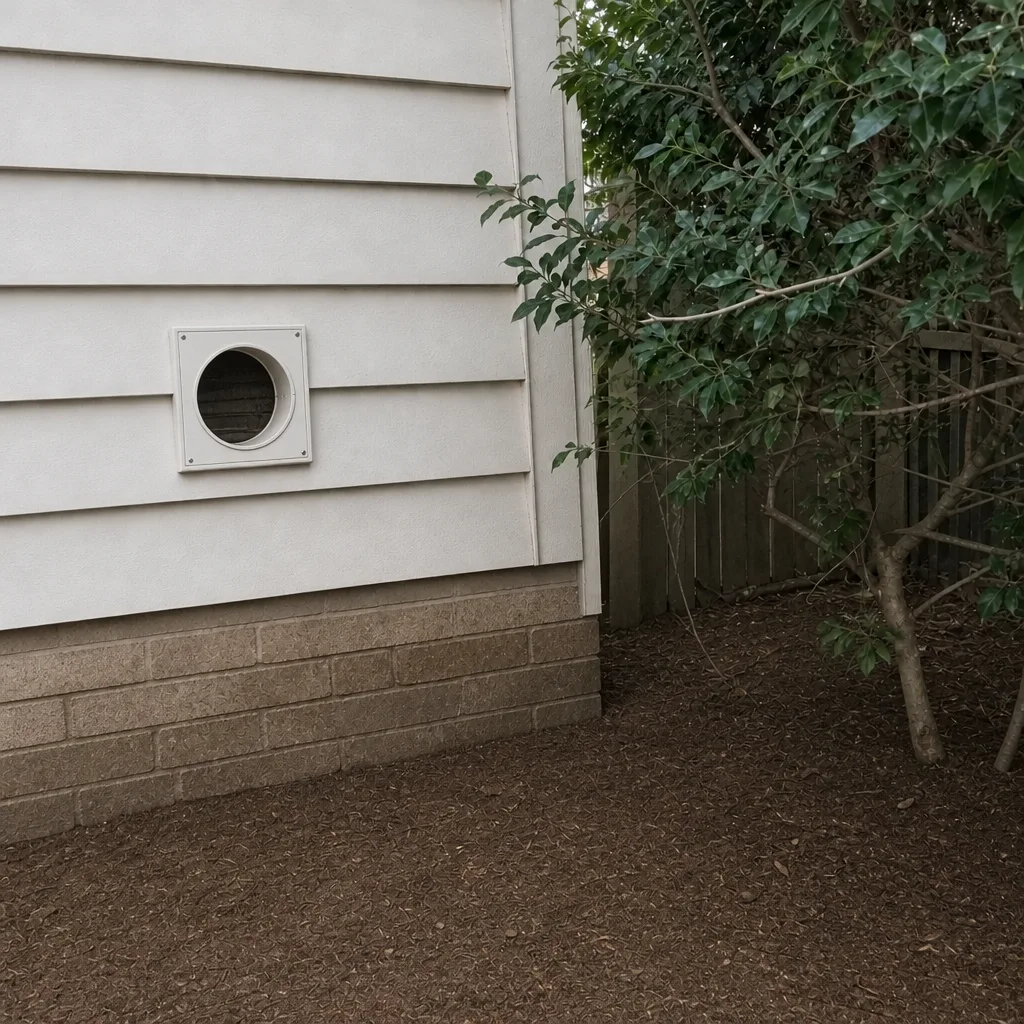
Dryer vent cleaning is the safety piece of the chain. Lint accumulation in a dryer vent is a leading cause of residential fires, and the risk grows with every load. A vent that’s restricted also makes the dryer run longer and hotter, which shortens its life. Cleaning it is a straightforward job with a clear safety benefit. If it’s been a few years since yours was done, it belongs on the same visit as the duct work.
HVAC cleaning covers the air handler and coil, which is where airflow restriction and biological growth tend to concentrate. A dusty coil forces the system to work harder and can freeze in humid weather. Cleaning it alongside the ducts keeps the whole system moving air the way it was designed to.
Duct repair and sealing addresses what the cleaning reveals. Leaking joints, torn flex runs, and disconnected sections are common findings in both older ranches and newer builds in North Hills. Because we offer repair and sealing in-house, a leak found during cleaning can be fixed on the same visit rather than scheduled with a separate trade. On the air-quality side, we work with Honeywell and Aprilaire components so filtration and humidity management can be improved rather than just cleaned.
For dryer vent work specifically, dryer vent cleaning can be bundled into the same appointment as the duct clean, which saves you a second round of setup and a second contractor in the house.
Common Mistakes to Avoid
- Choosing on price alone. A per-vent quote can look like a bargain until you realize the return plenum, coil, and blower weren’t in scope. Ask what components are covered before you decide.
- Skipping the return side. The return plenum is usually the dirtiest part of the system, and it’s the first thing a fast job leaves out. If the contractor only cleans supply registers, the job is incomplete.
- Letting a crew skip containment. Without negative air, loosened dust settles back into the house. In Wake County’s humid summers, that dust plus moisture is exactly what you’re trying to remove.
- Ignoring cracked joints and sagging flex runs. Cleaning a leaking system without repairing the leaks just recontaminates it. Ask whether repair and sealing are part of the visit or a separate appointment.
- Treating the dryer vent as optional. Lint accumulation is a documented fire risk, and a restricted vent also forces the dryer to run hotter. Include it in the same visit.
- Accepting a verbal report with no evidence. If you don’t get before-and-after photos, a camera inspection, and airflow numbers, you have no way to verify the work. Ask for them up front.
- Cleaning on a calendar instead of on condition. A fixed interval doesn’t fit every home. Renovation dust, pets, pollen exposure, and musty odors all change when a North Hills system actually needs attention.
See the difference
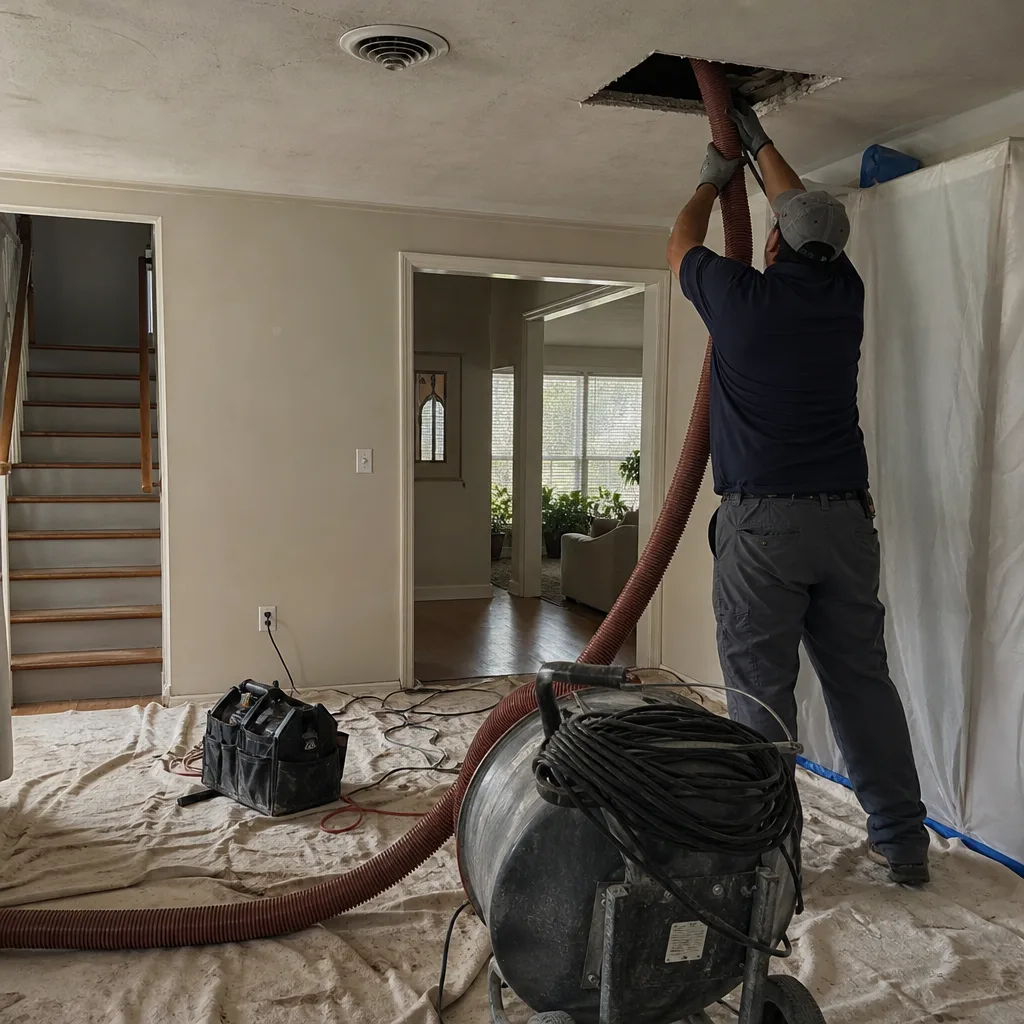 Before
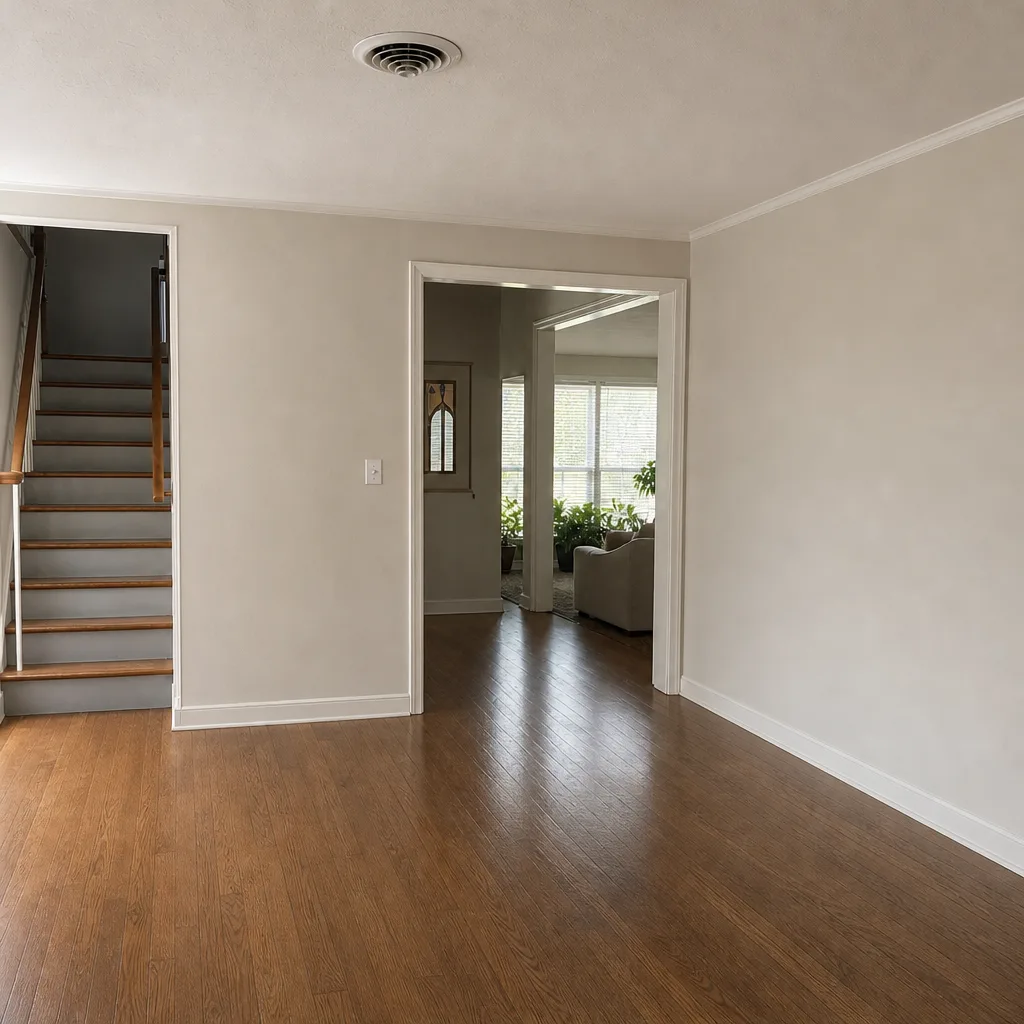 After
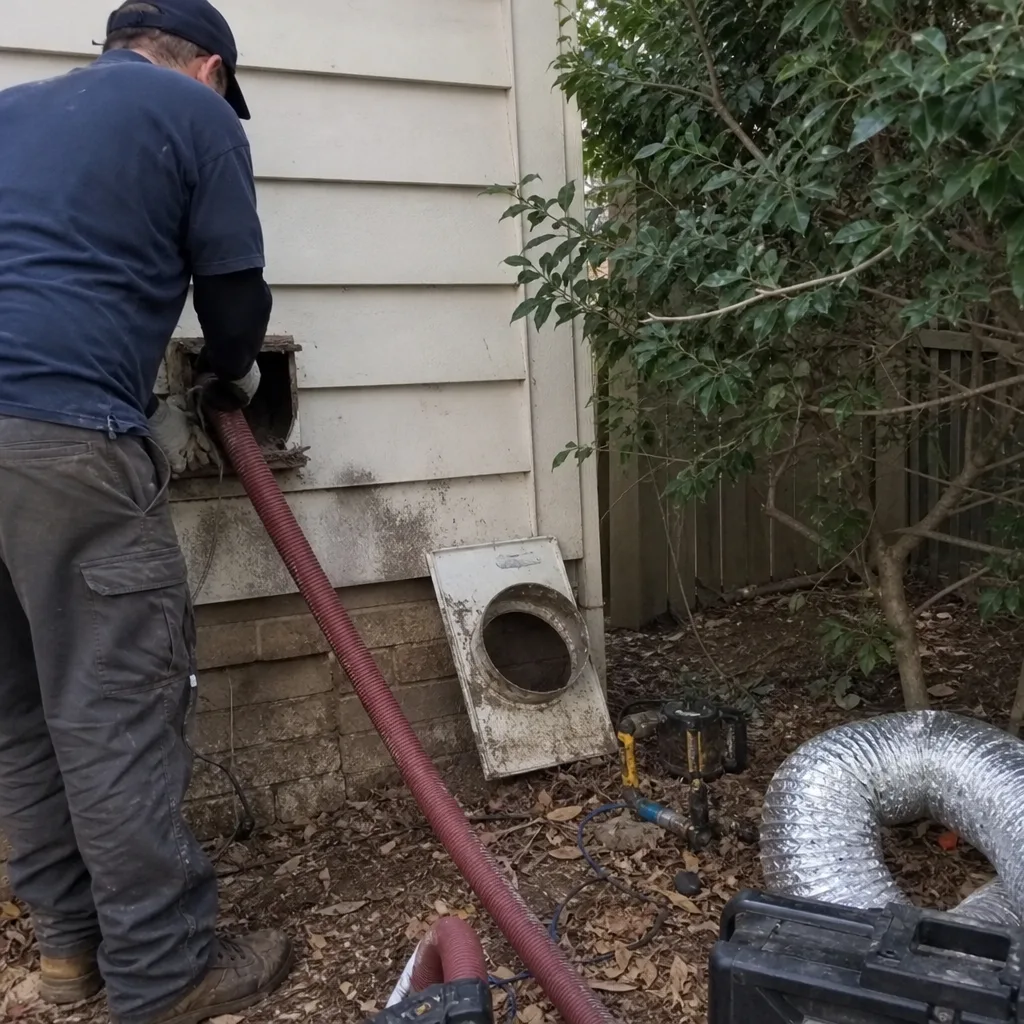 Before
 After
 Before
 After
When to Call a Professional
Some signs clearly point to a professional job rather than a DIY effort. Dust that returns within days of cleaning the house is often a sign of debris in the return plenum or a filter that’s loading faster than it should. A musty smell that appears when the system runs usually points to moisture and biological growth on duct or coil surfaces, and that calls for inspection rather than a fragrance product. Visible dust blowing from supply registers after the system has been off, a recent major renovation, or a dryer that takes noticeably longer to dry a load all point the same direction. Airflow that’s dropped in some rooms while others run strong can mean a crushed flex run or a disconnected section. These are all jobs that need proper equipment, containment, and inspection. If you’re seeing any of them in North Hills, Air Duct Cleaning North Hills offers free estimates. Call (844) 443-4850.
Frequently Asked Questions
A full-system clean in North Hills typically runs $450 to $900, depending on the size of the system, the duct layout, and whether repair or sanitizing is included. That range covers the whole airflow chain, not just the registers. The written estimate sets the final price, and it’s agreed before any work starts. Call (844) 443-4850 for an exact quote. Estimates are free.
A cheaper quote almost always covers a smaller scope: supply registers only, no negative air, no return plenum or coil, and no documentation. Per-vent pricing is designed to get a technician through the door with a low number and turn it into a larger invoice once the job starts. One flat price per system, agreed up front, is the honest structure. Call (844) 443-4850 for an estimate that lists what’s covered.
You get before-and-after photos of your own system, a camera inspection of the duct interiors, and airflow measurements taken before and after cleaning. Those are the three records that show what changed. If a contractor can’t provide them, ask why. Call (844) 443-4850 and ask what documentation comes with the job.
Most homes here benefit from a full clean every three to five years, and two to three years is more realistic when you’ve got pets, a high-pollen spring, or a busy household. Wake County humidity makes moisture and spore buildup a real factor in that interval. Call (844) 443-4850 if you’re unsure where your system stands.
Ask for the tool names. Professional duct cleaning uses rotary brush systems like Rotobrush and negative-air machines like Nikro, not shop vacuums, and proper sanitizing work runs air scrubbers in the background. We use Abatement Technologies scrubbers and mention our equipment by name so you can check the process. Call (844) 443-4850 if you want to know exactly how a job is performed.
Yes. Duct cleaning, dryer vent cleaning, HVAC cleaning, air quality and sanitizing, and duct repair and sealing are all handled by the same team. When cleaning reveals a leaking joint or a torn flex run, the repair happens in the same visit rather than with a second contractor. Call (844) 443-4850 to book it as one appointment.
Yes, and this is the step most skip. The blower wheel and the evaporator coil are where airflow restriction actually builds up, and a dust-loaded coil forces the system to work harder. Cleaning the ducts without cleaning the parts that move the air leaves the biggest restriction in place. Call (844) 443-4850 to have the whole air handler inspected.
The Bottom Line
A real air duct cleaning in North Hills starts at the return grille and ends at the air handler, and it runs in the right order: containment first, supply runs next, trunk lines, return plenum, then the blower compartment and coil. The whole chain matters because that’s where the accumulation lives. Older ranch homes and newer construction each hide the dirt in different places, and Wake County’s humid summers make moisture and spore load part of the picture rather than an afterthought. Equipment names, a flat price per system, and before-and-after documentation are the three things that separate a genuine clean from a register pass. Our technicians have up to 12 years of experience and work with the full system. Call (844) 443-4850. We answer 24/7. Fast dispatch from 7am to 7pm, Sunday through Friday.
Written by the team at Air Duct Cleaning North Hills.