
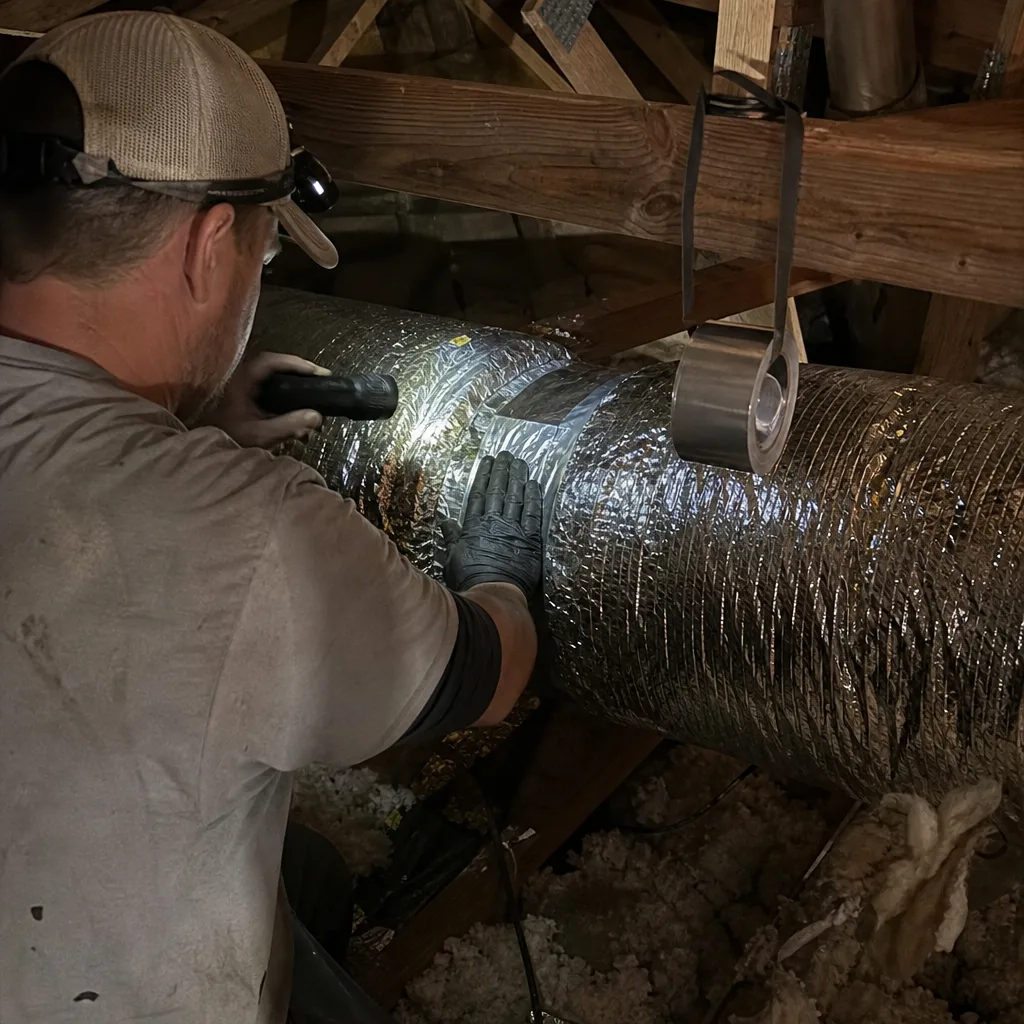
Last updated November 23, 2026
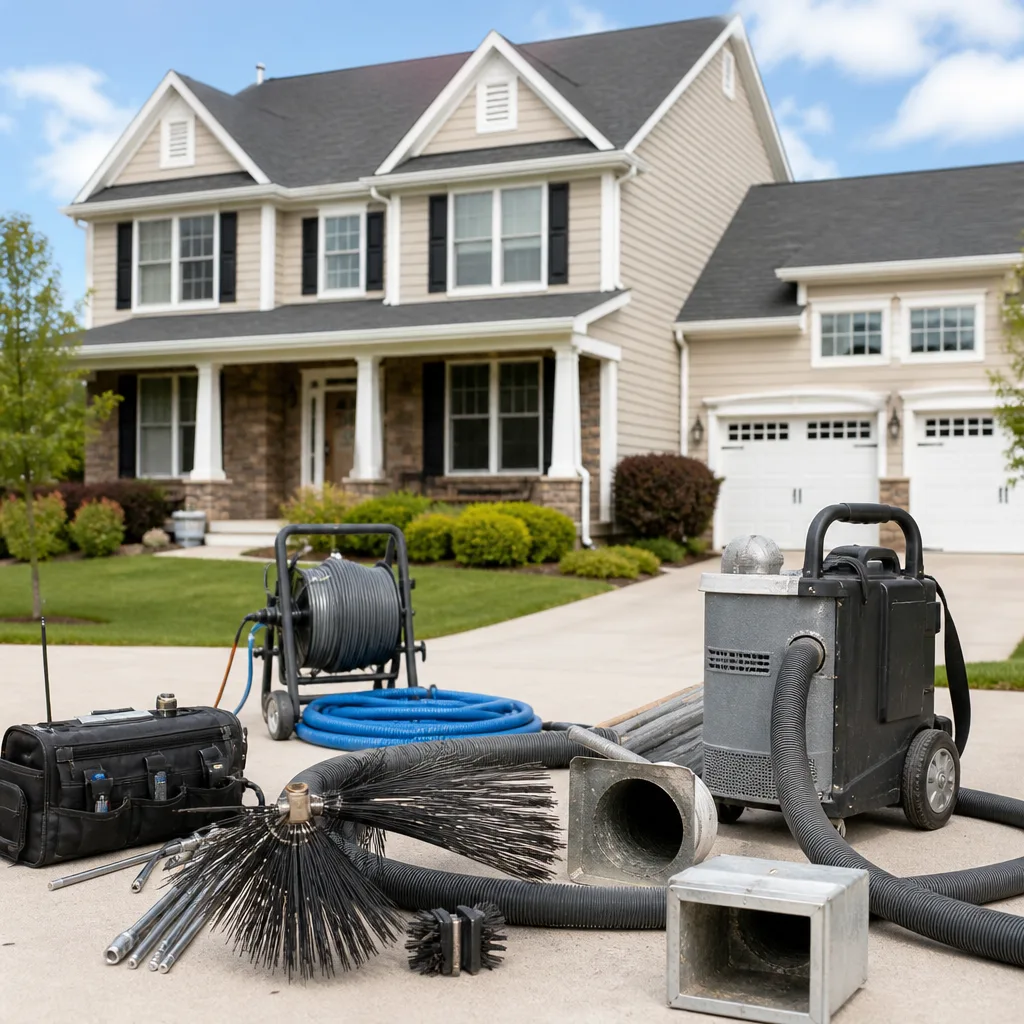 Whole-home duct cleaning
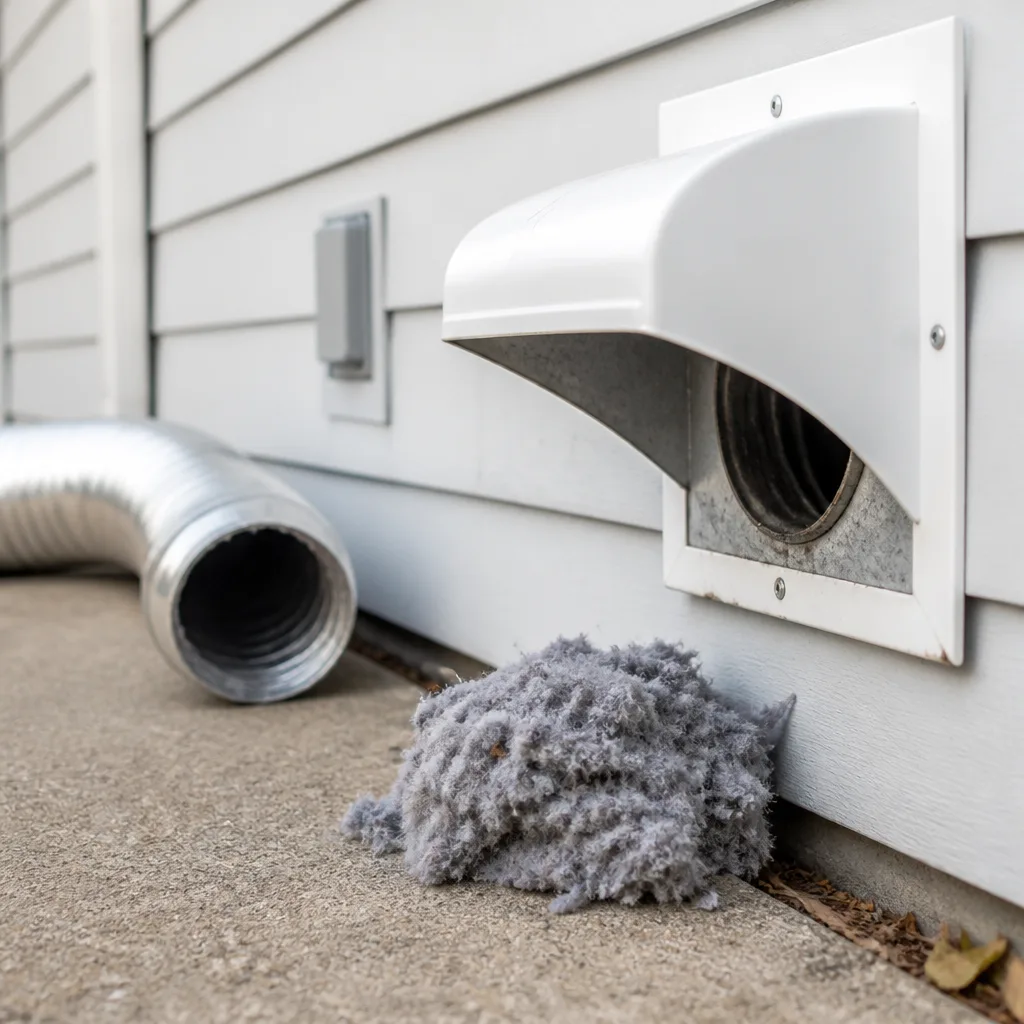 Dryer vent cleaning
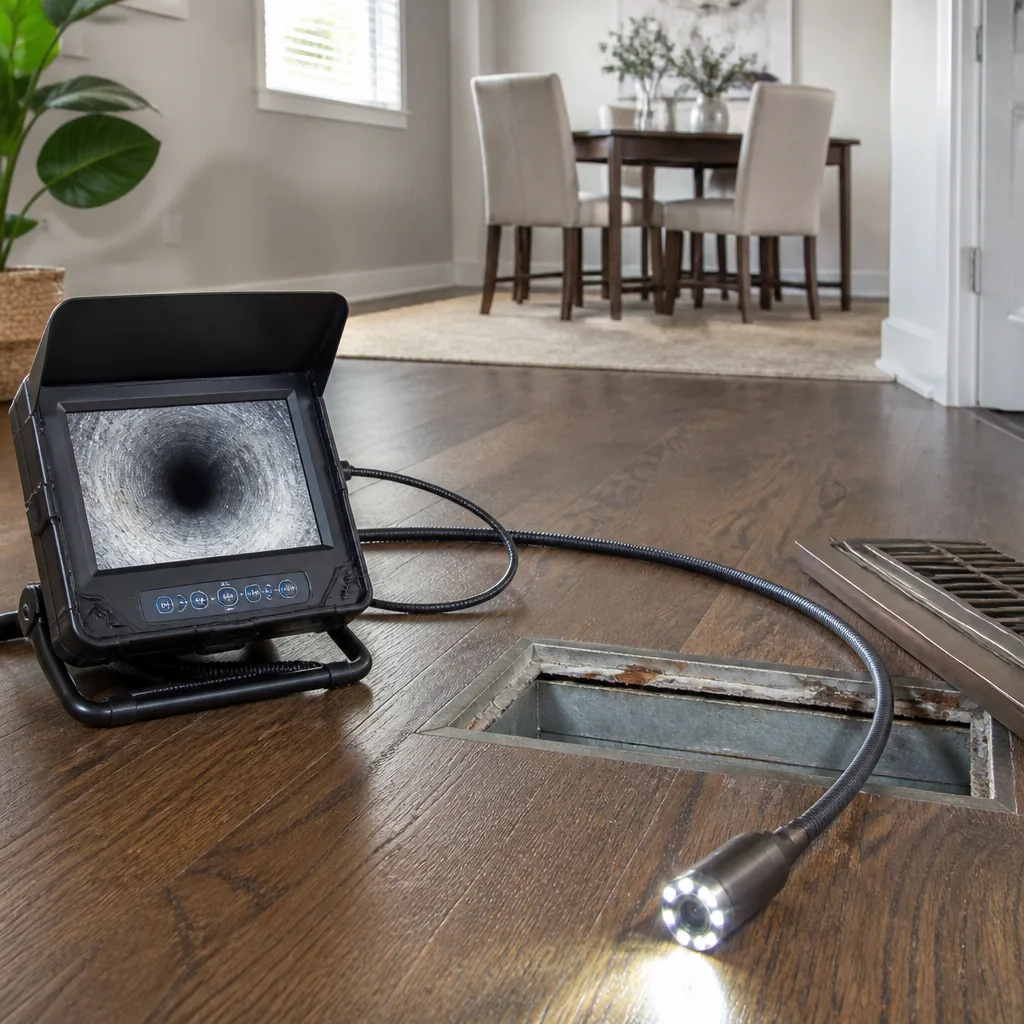 Camera inspection
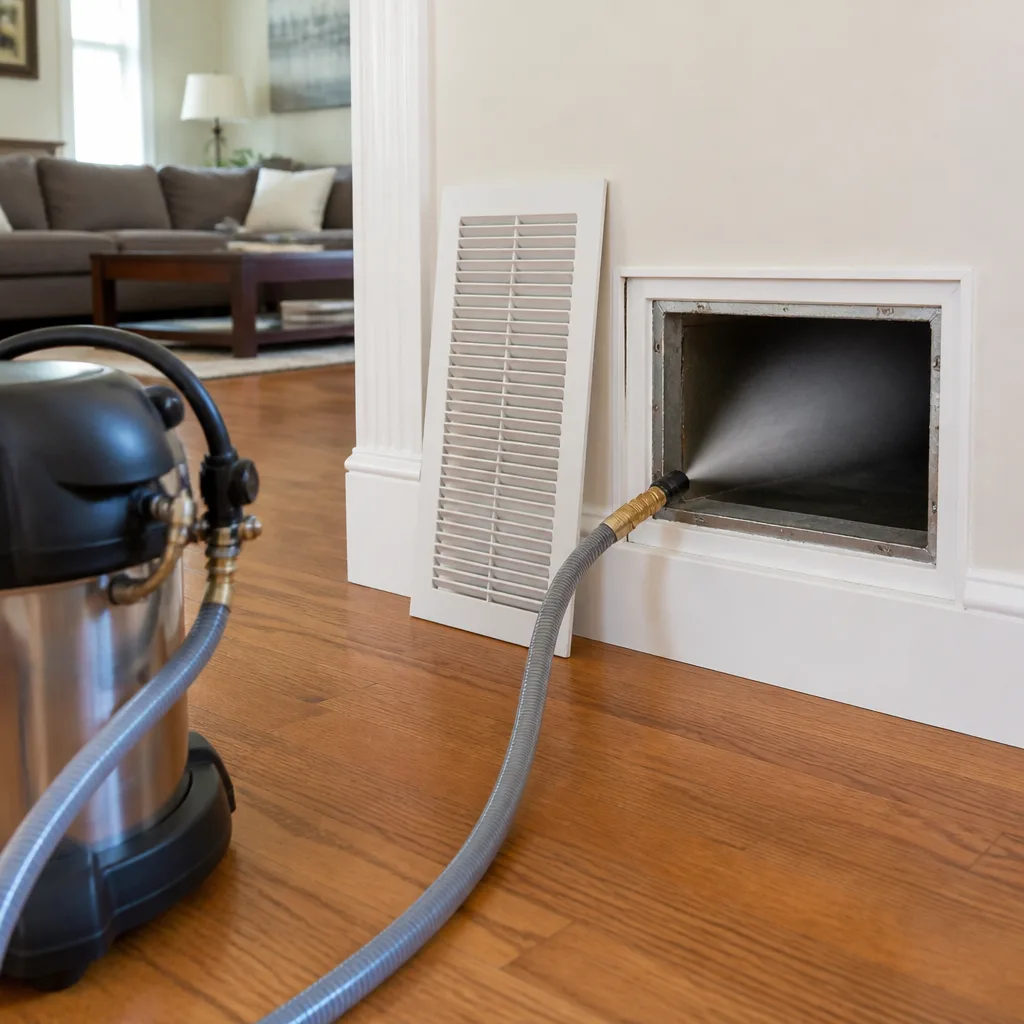 Sanitizing & deodorizing
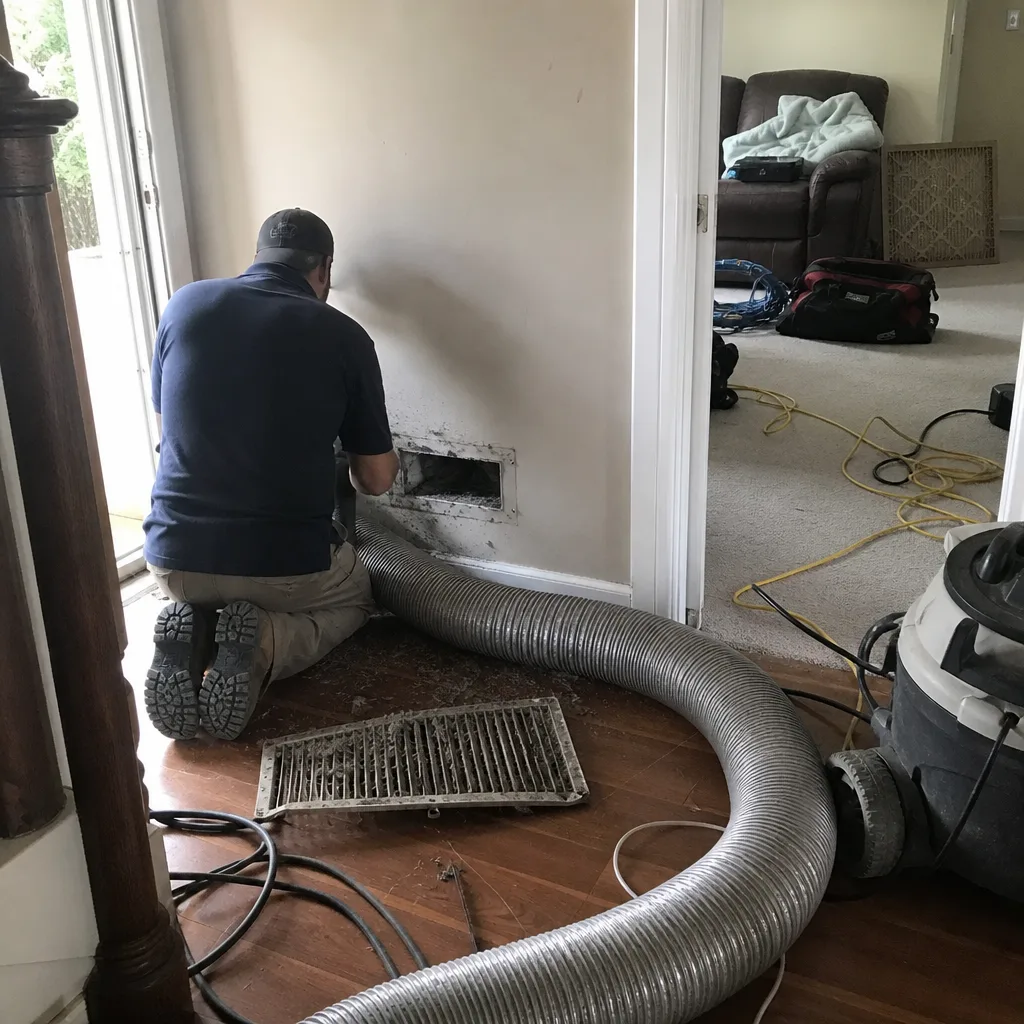
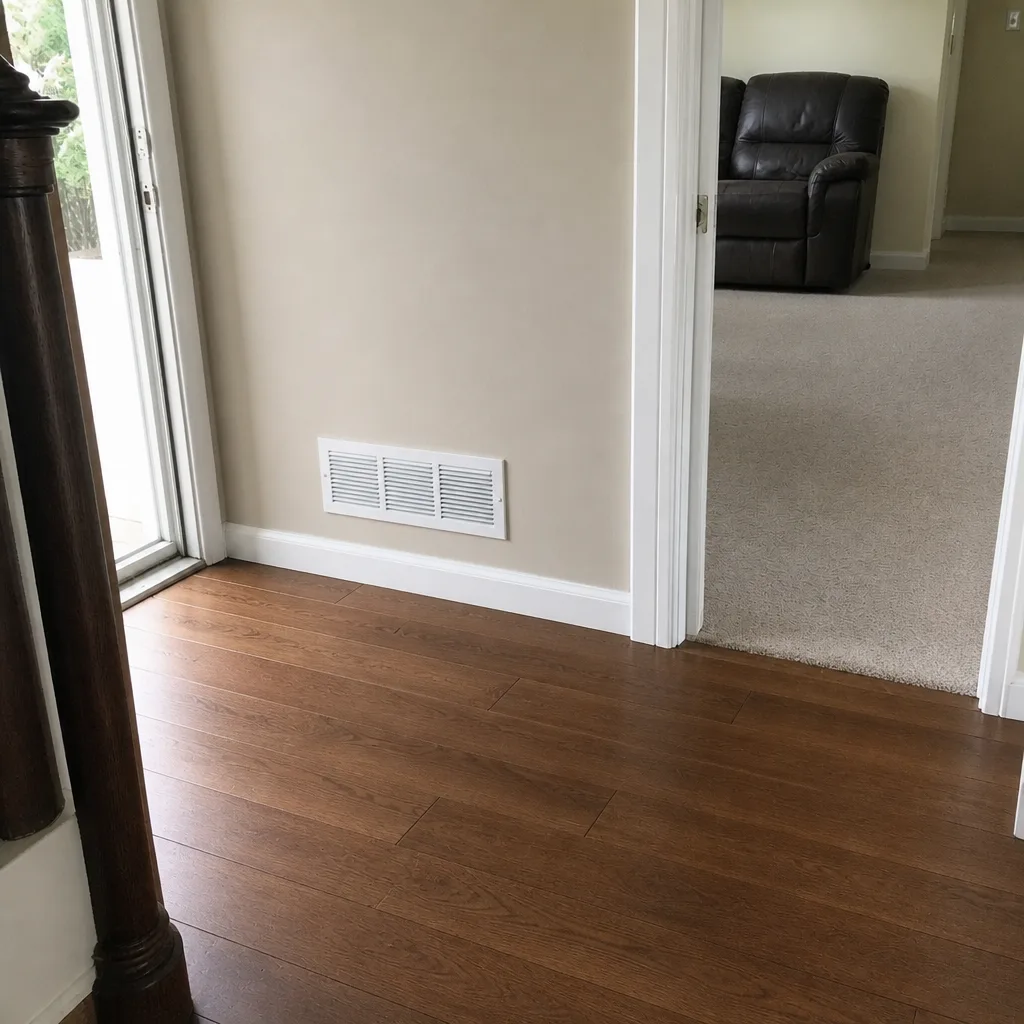
Whole-system duct and dryer vent check with before-and-after photos - you see exactly what came out of your vents
That "$99 whole-house special" is a bait ad - the real number appears once they are in your hallway, or the "clean" is a shop-vac at the register. We photograph the inside of your ducts before and after instead.
Seasonal Air Duct Cleaning Care for North Hills: Year-Round Homeowner’s Guide
Most homeowners treat duct cleaning as a once-a-year checkbox, usually scheduled whenever the reminder pops into their head. Here’s the problem with that approach in North Hills: a cleaning performed in February misses the heaviest contamination window for local homes, the spring pollen surge that loads return filters and coats coil fins between March and May. By the time summer humidity arrives, the system is already behind. This guide breaks the year into four duct-stress periods specific to North Hills, explains what’s actually happening inside your ducts during each one, and gives you a simple rhythm that keeps the whole airflow chain in calibrated condition without over-cleaning or overpaying.
Styles & brands we work with
- Whole-home duct cleaning
- Dryer vent cleaning
- Camera inspection
- Sanitizing & deodorizing
Quick Answer
The best time for a full professional duct cleaning in North Hills is late spring (after the pollen peak, roughly late May) or early fall (before the heating season and fall remodel dust, roughly September to early October). Those two windows produce the longest clean interval because they sit on either side of the heaviest contamination periods. A two-visit annual rhythm – one owner inspection in early spring and one professional service timed to late spring or early fall – keeps most North Hills homes in good condition without constant cleaning.
Table of Contents
- Why North Hills Has Four Distinct Duct-Stress Seasons
- Spring: Pollen Loading and Return Filter Saturation
- Summer: Humidity, Biofilm Risk, and Coil Efficiency
- Fall: Construction Dust and Remodel Season
- Winter: Heating Startup Debris and Static Pressure
- The Optimal Timing Window for a Full Clean
- Owner Tasks by Season: A Practical Checklist
- Using Runtime Data to Detect Duct Restriction
- The Two-Visit Annual Rhythm
- Common Mistakes to Avoid
- When to Call a Professional
- Frequently Asked Questions
- The Bottom Line
Why North Hills Has Four Distinct Duct-Stress Seasons
North Hills sits in the Piedmont, which means the local climate doesn’t ease into seasonal change so much as switch between modes: cold winters with long heating runs, a spring pollen flush from the surrounding hardwoods and pines, a humid summer that keeps the air handler cycling almost continuously, and a fall window that brings both leaf drop and the start of indoor remodeling season. Each of those periods stresses your ductwork and air handler in a different way.
What makes North Hills different from a generic “clean your ducts once a year” schedule is that three of those four periods load the system with material that a single annual cleaning can’t keep up with if it’s timed wrong. Pollen coats the return-side surfaces in a matter of weeks. Summer humidity creates conditions where dust that would otherwise stay dry instead clings and, in poorly sealed systems, encourages microbial growth on wet coil surfaces. Fall construction dust from nearby remodels pulls into returns faster than filters can capture it. And the first cold snap of winter pushes accumulated debris through the supply side when the furnace or heat pump runs its first long cycles.
In our experience walking North Hills homes, the pattern is consistent: the homeowners who clean on a fixed annual schedule end up scheduling the visit in a month that’s convenient rather than a month that’s effective. Then they wonder why dust returns within a few months. The fix is aligning the cleaning to the contamination cycle, not to the calendar quarter that happens to be open.
Spring: Pollen Loading and Return Filter Saturation
Between March and May, North Hills gets its heaviest airborne particulate load of the year. Pine pollen is visible on car hoods and window sills, but the finer particles from oak, elm, and maple are what actually reach your return grilles. A standard 1-inch filter captures a portion of that load, but the finer fraction passes through and settles on return duct walls, the blower wheel, and – critically – the evaporator coil.
What to do during spring:
- Upgrade the filter ahead of the surge, not during it. Switch from a basic 1-inch filter to a pleated MERV 8 or MERV 11 (or a media cabinet if you don’t have one) in late February or early March, before the pollen peak. Waiting until April means the first three weeks of pollen hit a filter that’s already loaded.
- Check the filter every three weeks through May. Most North Hills homes go through two to three filter changes during pollen season, not one.
- Wipe down return grilles weekly. Grille faces catch the visible pollen and, if you don’t wipe them, that surface load re-entrains into the airstream. A damp microfiber cloth takes thirty seconds per grille.
- Leave the air handler fan on “auto” unless you have a reason to run it continuously. Continuous fan during pollen season pulls more material into the system than it removes.
This is the season where a system that was clean in February is no longer clean by mid-May. If you’re considering a spring cleaning, time it for late May, after the pollen has dropped, so the cleaning removes the accumulated load rather than chasing it.
Summer: Humidity, Biofilm Risk, and Coil Efficiency
North Hills summers bring dew points that keep the air handler running six to eight hours a day or more, and that persistent runtime is what drives the second duct-stress period. When cool air moves through ducts that sit in a hot attic or crawl, condensation forms on the cooler duct surfaces. In a duct system with even small leaks (and most older North Hills homes have them), that moisture combines with dust to create a film on the coil and duct interior that dry dust alone wouldn’t produce.
Biofilm risk is real but not a reason to panic. The practical concern is efficiency: a coil coated in a thin film of dust and biological material transfers heat less effectively, which shows up as longer runtimes and higher electric bills in July and August. A coil that was marginal in June is undersized by August.
What to do during summer:
- Set a humidity threshold and monitor it. Keep indoor relative humidity between 45% and 55%. Above 60% for extended periods is where microbial growth becomes a real concern. A basic hygrometer or a smart thermostat with a humidity sensor gives you the data.
- Inspect the condensate drain line monthly. A clogged drain backs moisture into the cabinet and, eventually, into the supply plenum. It takes two minutes to check.
- Look for condensation on duct runs in unconditioned space. If you see water beading on flex duct in the attic, you have an insulation or sealing problem that a cleaning won’t solve – sealing will.
- Schedule the coil inspection in late June or early July, before the heaviest heat, so a fouled coil is caught before it drives a month of high bills.
If your ducts have never been cleaned or sealed and you’re seeing high summer humidity indoors, a combined air duct cleaning and sealing visit addresses both the contamination and the leakage that lets humid air in.
Fall: Construction Dust and Remodel Season
Fall is remodeling season in North Hills, and whether or not your own house is under construction, the surrounding neighborhood usually is. Drywall dust, sawdust, insulation fibers, and the fine particulate from demolition work travel outside the work zone and find their way into return grilles, especially on the side of the house where prevailing winds push air. Even with the system off during active work, the dust settles and gets pulled in as soon as the heat comes on.
What to do during fall:
- Seal returns with plastic sheeting during any in-home remodel. Tape it down and remove it when the work is done. This is the single most effective step and most homeowners skip it.
- Change the filter the day remodeling finishes. Not a week later. Drywall dust is fine and abrasive and loads filters fast.
- Do a grille-off wipe-down of the supply and return registers in late September or October, before heating season. Remove the grille, wipe the boot interior with a damp cloth, reinstall.
- Check the blower wheel access panel if you have a service door – a blower wheel with visible dust buildup in the fall is a signal the ductwork is loaded too.
Fall is also the second-best window for a full professional cleaning. A clean performed in September or early October removes summer biofilm material and construction dust together, leaving the system ready for the heating season.
Winter: Heating Startup Debris and Static Pressure
The first sustained heating cycle of winter pushes a season’s worth of accumulated debris through the supply side. Dust that settled in ductwork during the shoulder months, along with any pollen or construction material the fall didn’t remove, moves through the system under positive pressure. The most common symptom in North Hills homes is a dust smell from the registers during the first two or three days of furnace operation, followed by a flurry of visible dust settling on horizontal surfaces near the supply grilles.
Winter also raises static pressure concerns. Cold outdoor air entering the return path through leaky ductwork (a common issue in older North Hills crawlspace and attic systems) increases the system’s load, and a duct system that was adequate in mild weather becomes restrictive in a long cold snap. You’ll see it as longer runtimes, higher heating bills, and uneven room temperatures.
What to do during winter:
- Run the furnace fan briefly before the first cold snap and check registers for dust smell. A strong, persistent musty or dusty odor means the system was loaded going into winter.
- Change the filter at the start of the heating season, even if you changed it recently for fall. Heating season has different loading characteristics than cooling.
- Note thermostat runtime and room temperatures during the first two weeks of heating. This becomes your baseline – if March runtimes are longer than February runtimes at similar outdoor temperatures, the system is losing efficiency and something is restricted.
- Schedule HVAC cleaning in February or March if you skipped the fall window. Late-winter cleaning catches winter loading before spring pollen adds to it.
The Optimal Timing Window for a Full Clean
Late spring or early fall produces the longest clean interval in a North Hills home. The reason comes down to what the cleaning is actually removing and what comes after.
- Late spring (late May): The pollen surge is over, winter heating debris is mostly cleared, and the next heavy contamination period (fall remodel dust) is roughly four months out. A clean here typically holds through summer and into fall.
- Early fall (September to early October): Summer biofilm material and fall construction dust are both present, and cleaning them before heating season means winter startup runs into a clean system. This typically holds through spring pollen, giving you the longest uninterrupted interval.
Timing a cleaning for February or March typically produces the shortest interval because the system loads up again almost immediately with spring pollen, and the homeowner often cleans twice within the year to compensate. If your only option is a winter cleaning, that’s better than skipping it. Just understand it’s the least efficient timing and adjust the next one accordingly.
| Season | Main Duct Stress | Owner Action | Best For Full Clean |
|---|---|---|---|
| Spring (Mar-May) | Pollen loading | Upgrade filter in late Feb | Late May |
| Summer (Jun-Aug) | Humidity, biofilm, coil fouling | Monitor humidity, check condensate | Late June (coil) |
| Fall (Sep-Nov) | Construction dust | Seal returns during remodels | Sep to early Oct |
| Winter (Dec-Feb) | Heating startup debris, static pressure | Change filter at heating start | Feb to Mar (fallback) |
Owner Tasks by Season: A Practical Checklist
The owner-side workload for duct care in North Hills is small if it’s spread across the year. Here’s what to do and when.
Spring – filter and grille focus
- Replace the filter in late February with a pleated MERV 8 or MERV 11 (or a media cabinet filter if you have one).
- Wipe return and supply grille faces weekly during pollen season.
- Check filter every three weeks from March through May.
- Note thermostat runtime for reference before pollen season, then compare.
Summer – humidity and moisture focus
- Set a hygrometer in the main living space and check indoor humidity weekly. Target 45% to 55%.
- Inspect the condensate drain line monthly, especially July and August.
- Confirm coil access – either a service panel on the air handler or an accessible coil compartment – so a coil inspection doesn’t require disassembly.
- Look for condensation on duct runs in uncontrolled space (attic, crawlspace).
Fall – grille-off wipe-down and construction protection
- In September or October, remove each supply and return grille, wipe the boot interior and grille face with a damp cloth, and reinstall.
- If any remodeling is happening in or near the home, tape plastic sheeting over return grilles and remove it when the work is done.
- Change the filter the day any indoor construction finishes.
- Note thermostat runtime to close out the cooling season and compare to spring.
Winter – heating startup baseline
- Change the filter at the start of heating season.
- Run the fan for a few minutes before the first cold snap and note any odor at registers.
- Record thermostat runtime in the first two weeks of heating as a baseline.
- Compare February and March runtime at similar outdoor temperatures to catch a seasonal efficiency drop.
If you use Honeywell or Aprilaire air-quality equipment, schedule the equipment service alongside your seasonal HVAC cleaning. Those systems need filter and component checks that line up well with the seasonal rhythm.
Using Runtime Data to Detect Duct Restriction
Most homeowners never look at HVAC runtime data, but a smart thermostat or a basic energy monitoring system gives you a straightforward way to catch duct restriction before it shows up on a bill. The concept is simple: if your system runs longer to reach the same temperature as it did in a comparable season last year, the system has lost efficiency. If that loss isn’t from weather or a failing component, it’s usually from restricted airflow through loaded or leaking ducts.
How to use it:
- Establish a seasonal baseline. Pick a stretch of two weeks at the start of each season, note your thermostat’s runtime report, and record the outdoor temperatures for the same period.
- Compare like to like. The comparison that matters is the same season in two consecutive years – not spring vs. summer.
- Look for a rising trend. A system that runs 10-20% longer than last year, at comparable temperatures, has either lost efficiency or had a restriction build. Filter check first, then duct inspection.
- Watch room-to-room temperature spread. A duct system with a restriction shows up as a growing difference between the coolest and warmest rooms. If one room used to be within two degrees of the thermostat and now it’s five degrees off, airflow is restricted on that branch.
- Watch cycle frequency. Systems that short-cycle (more starts per hour) often have restricted return air, not a compressor problem.
Rotobrush-equipped cleaners can address a restriction once it’s identified. The value of the runtime data is that it tells you when to look, rather than relying on the system to fail loudly enough to notice.
The Two-Visit Annual Rhythm
The simplest reliable schedule for a North Hills home is two visits a year and no more cleaning than the system needs. Here’s how it looks.
Visit 1: Owner inspection (early spring, late February to mid-March)
- Filter replaced for pollen season.
- Grilles wiped, condensate drain checked, return grille plastic check for any nearby remodeling.
- Thermostat runtime baseline recorded against last year’s matching period.
- Humidity sensor confirmed working for summer.
- Any restriction signal noted for the professional service visit.
Visit 2: Professional service (late May or September to early October)
- Full-system cleaning of supply and return ducts using Rotobrush rotary brush systems and Nikro negative-air machines that capture dislodged debris rather than redistributing it.
- Coil and blower wheel cleaning as part of the HVAC component coverage.
- Sanitizing step with Abatement Technologies air scrubbers running through the job to keep indoor air quality steady while the work is happening.
- Duct inspection for leaks; on-site sealing if damage is found, so a second contractor visit isn’t needed.
- Air-quality product check if you’re on Honeywell or Aprilaire equipment, and recommendation if a filter upgrade is warranted.
- Add dryer vent cleaning on this visit if the dryer vent hasn’t been cleaned in the last year – it’s a safety item, not a duct-cleaning add-on.
That’s the entire year. One inspection, one professional service, and the system stays in calibrated condition without over-cleaning. Homes with pets, recent remodeling, or high-occupancy households may need to shift the professional visit to a longer service – but the rhythm itself stays the same.
If you’re a property manager responsible for multiple North Hills units, the same rhythm works per-unit, and scheduling the professional visits in a staggered block through September and October keeps every unit on the same annual cycle.
Common Mistakes to Avoid
- Scheduling a full clean in January or February. This is the least efficient timing in North Hills because spring pollen loads the system again within weeks. If you must clean in winter, treat it as a fallback and expect a spring follow-up.
- Running a “continuous fan” during pollen season. Pulling air through the system 24 hours a day during the pollen peak does more to distribute contaminants than to remove them. Leave the fan on auto unless you have a specific reason to cycle it continuously.
- Skipping the filter change after any indoor remodel. Drywall dust is fine and loads a filter in days. Changing it a week later means a week of dust pulled into the blower and into the duct interior.
- Ignoring humidity because the air feels “fine.” North Hills summers can push indoor humidity above 60% with no obvious discomfort signal until biological growth is already on the coil. A cheap hygrometer catches it early.
- Treating per-vent pricing as a fair comparison point. Whole-system ranges and whole-system cleaning are the honest comparison. A quote priced “per vent” incentivizes a fast pass rather than a thorough job.
- Hiring a cleaner who can’t explain their equipment. If a technician can’t tell you whether they’re using Rotary brush systems, negative-air machines, or a shop vac, the job won’t be thorough. Ask before you book.
- Cleaning ducts without addressing visible leakage. A duct system with substantial leaks re-contaminates quickly through the same openings. Duct repair and sealing should be part of the same visit, not a separate project.
When to Call a Professional
Call a professional if you’re seeing any of the following in your North Hills home: visible dust streaming from supply registers when the system turns on, a persistent musty or burning smell at registers during the first heating cycle of winter, indoor humidity that stays above 60% even with the air conditioner running, uneven room temperatures that have gotten worse over a season, or a smart thermostat runtime report showing a 15% or greater increase over the same period last year. Any of those signals a duct problem that seasonal owner maintenance alone won’t fix. Air Duct Cleaning North Hills offers free estimates in North Hills – call (844) 443-4850. We answer 24/7, and fast dispatch runs from 7am to 7pm, Sunday through Friday.
If you’re unsure whether a cleaning is needed, ask about a coil inspection combined with a visual duct survey. That gives you a clear picture before committing to a full service. Learn more about how our team approaches air duct cleaning North Hills and what the full visit includes.
Frequently Asked Questions
Late May or September to early October produces the longest clean interval in North Hills. Late May catches the system after pollen season and before summer humidity. Early fall catches construction dust and summer biofilm before heating season. Both windows give you four to five months before the next contamination period hits.
Whole-system pricing depends on the number of systems, square footage, duct configuration, and whether sealing or sanitizing is included, which is why we estimate per job and give you a written figure before any work starts – one flat price per system, no per-vent pricing, and before-and-after photos of your own ducts when we finish. Call (844) 443-4850 for a free estimate.
Cheap quotes usually reflect a shorter, less thorough job – often a shop vac pass over a few accessible registers rather than a full-system clean. Those quotes also tend to grow once the technician is on site, or leave your ducts still loaded. We set one flat price per system before work starts so the number you’re quoted is the number you pay. Call (844) 443-4850 for an honest whole-system estimate.
Ask for before-and-after photos of your own ducts, taken during the visit. Any cleaner who can’t provide that is worth a second look. We photograph each job as part of the standard process and provide the images to the homeowner. Call (844) 443-4850 with any questions about what a full-system cleaning includes.
Most North Hills homes need a full professional cleaning every 18 to 24 months, not annually, when the cleaning is timed right and owner-maintenance is kept current. Homes with heavy pet hair, recent remodeling, or multiple occupants may need shorter intervals. The two-visit rhythm in this guide – one inspection, one professional service – covers the typical case. Call (844) 443-4850 to schedule an assessment for your specific home.
No. Filter maintenance removes a large fraction of airborne particulate before it reaches the ducts, but it doesn’t clean the duct interior, coil face, or blower wheel once material has settled. Filters are prevention; professional cleaning is removal. The combination keeps the system clean with fewer professional visits, which is the whole point of the two-visit rhythm. Call (844) 443-4850 if you want a coil inspection before committing to a full clean.
The Bottom Line
North Hills homes run through four distinct duct-stress periods each year – spring pollen, summer humidity, fall construction dust, and winter heating startup – and each one loads the system in a way the others don’t. The most reliable way to keep the whole airflow chain in good condition is a two-visit annual rhythm: one owner inspection in early March, and one professional service timed for late May or early fall. That schedule produces the longest clean interval and catches problems before they show up as higher bills or visible dust. If you’re ready to schedule, or you’re not sure which season is right for your home, Air Duct Cleaning North Hills offers free estimates in North Hills – call (844) 443-4850. We answer 24/7, and fast dispatch runs from 7am to 7pm, Sunday through Friday.
Learn more about our service pages for air duct cleaning, dryer vent cleaning, and HVAC cleaning. Our technicians have up to 12 years of experience with professional-grade Rotobrush, Nikro, and Abatement Technologies equipment. Call (844) 443-4850. We answer 24/7. Fast dispatch from 7am to 7pm, Sunday through Friday.
Written by the team at Air Duct Cleaning North Hills.
See the difference
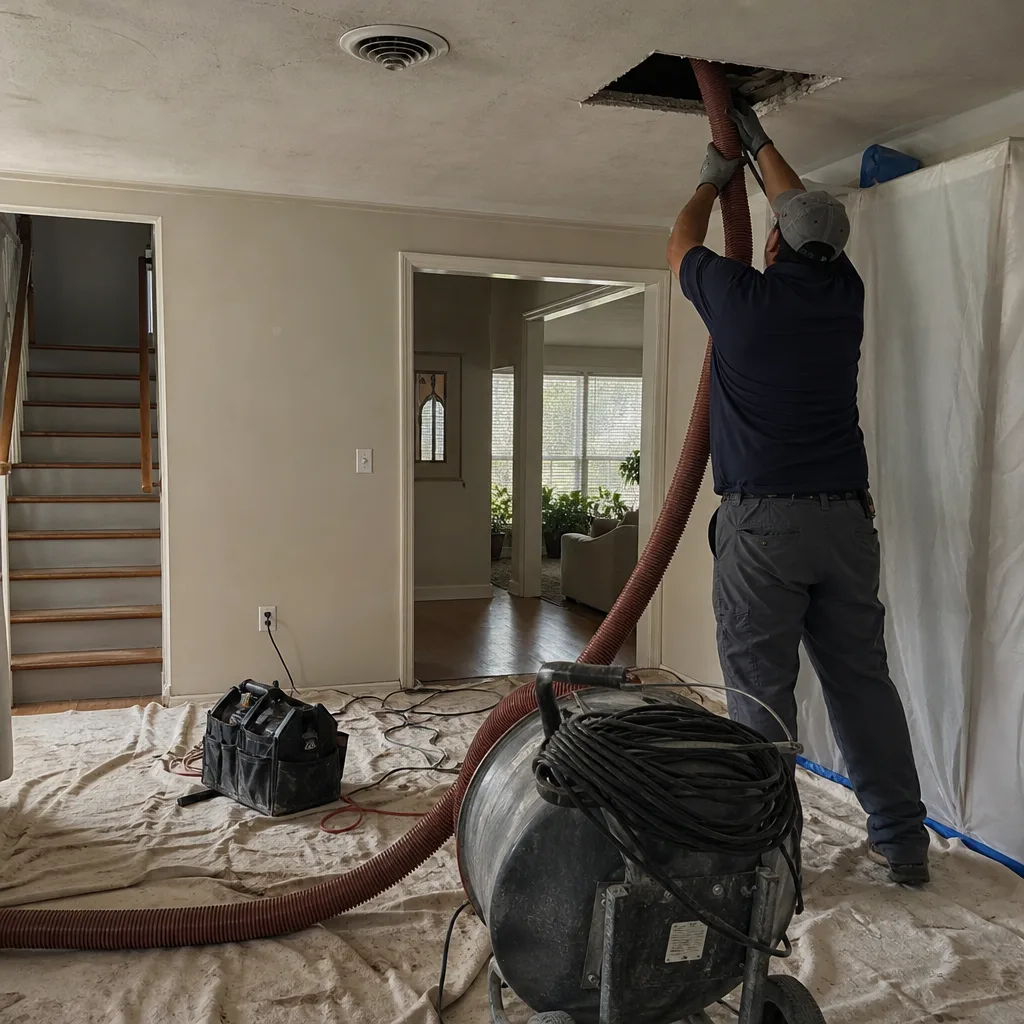 Before
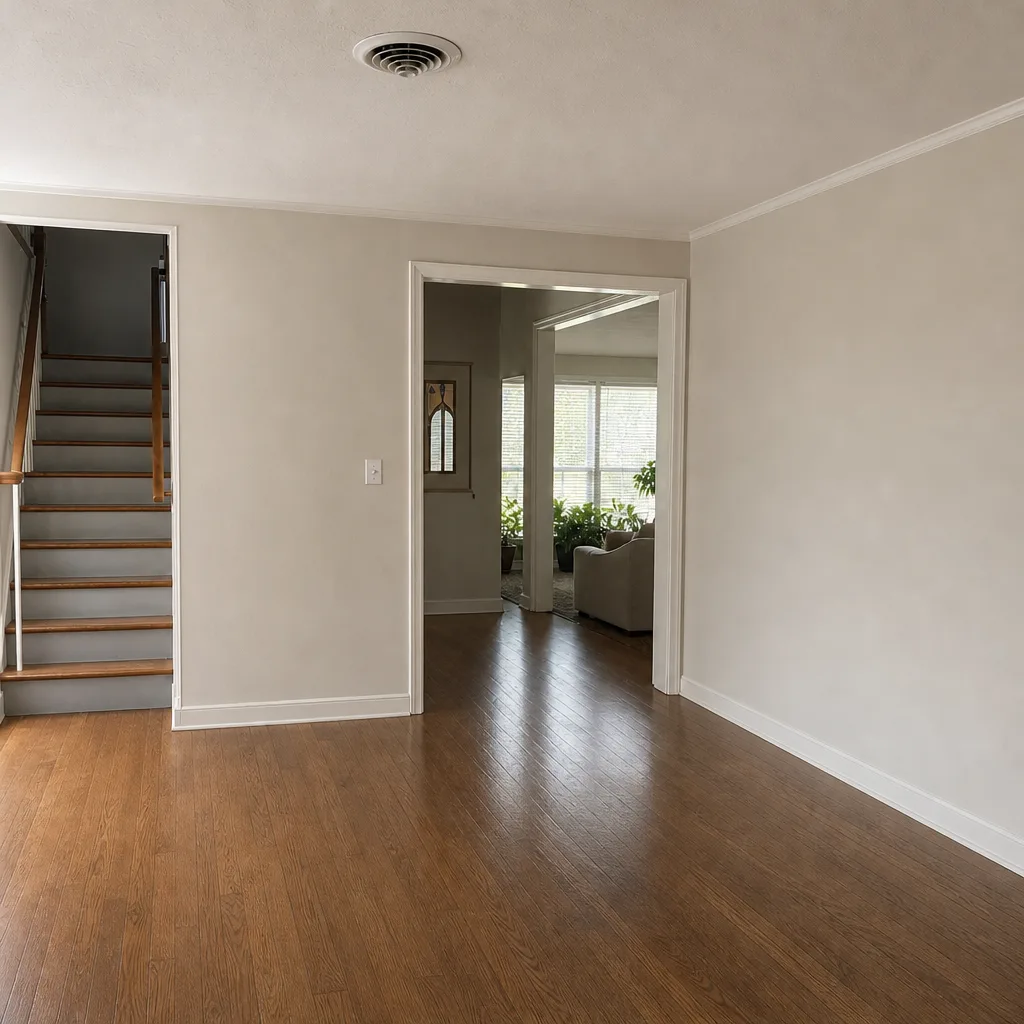 After
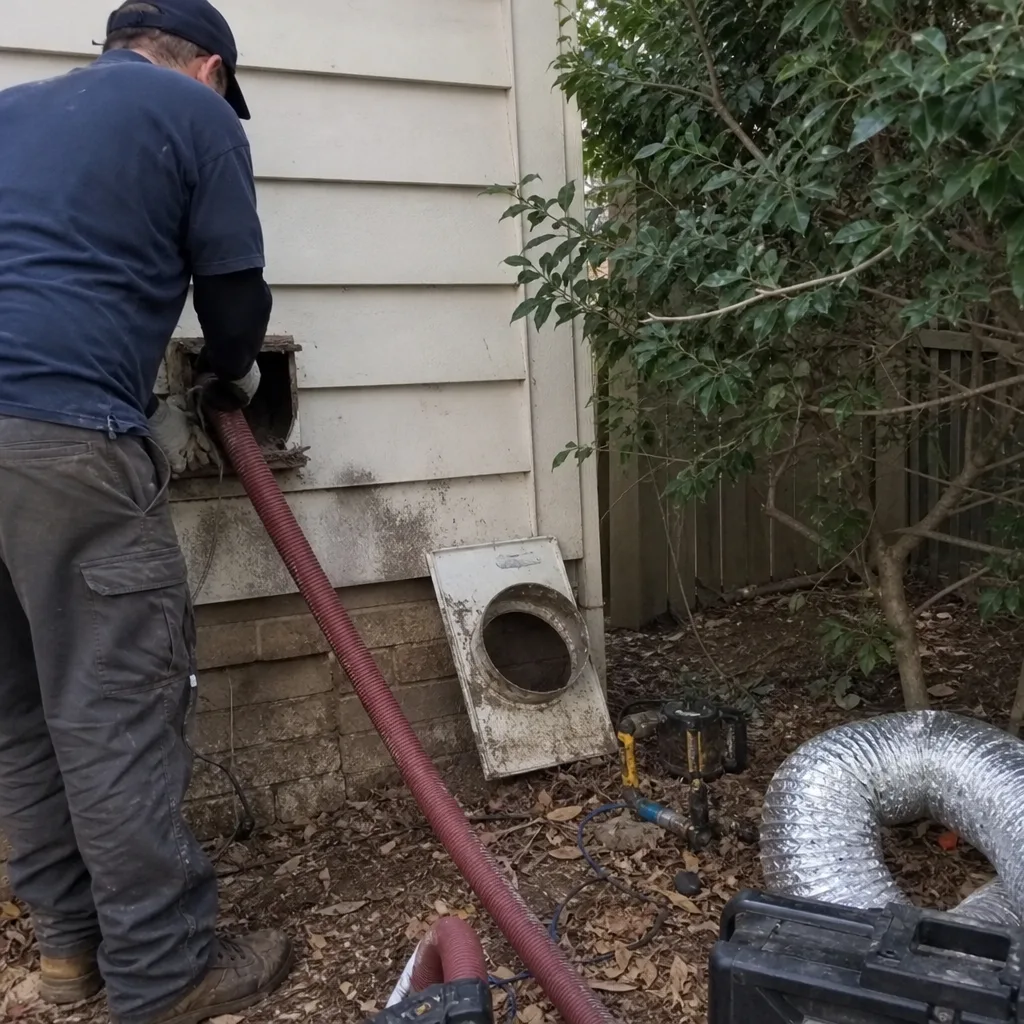 Before
 After
 Before
 After