
Last updated November 23, 2026
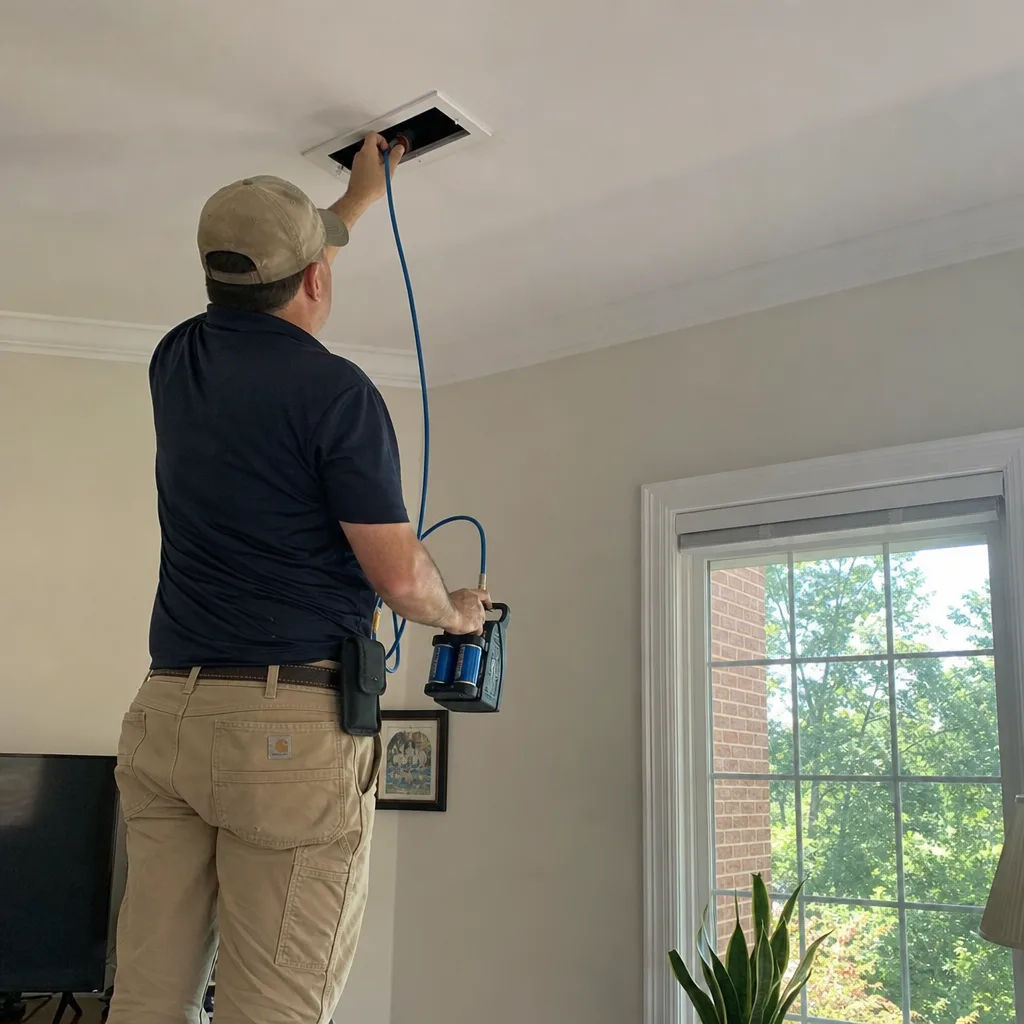
 Whole-home duct cleaning
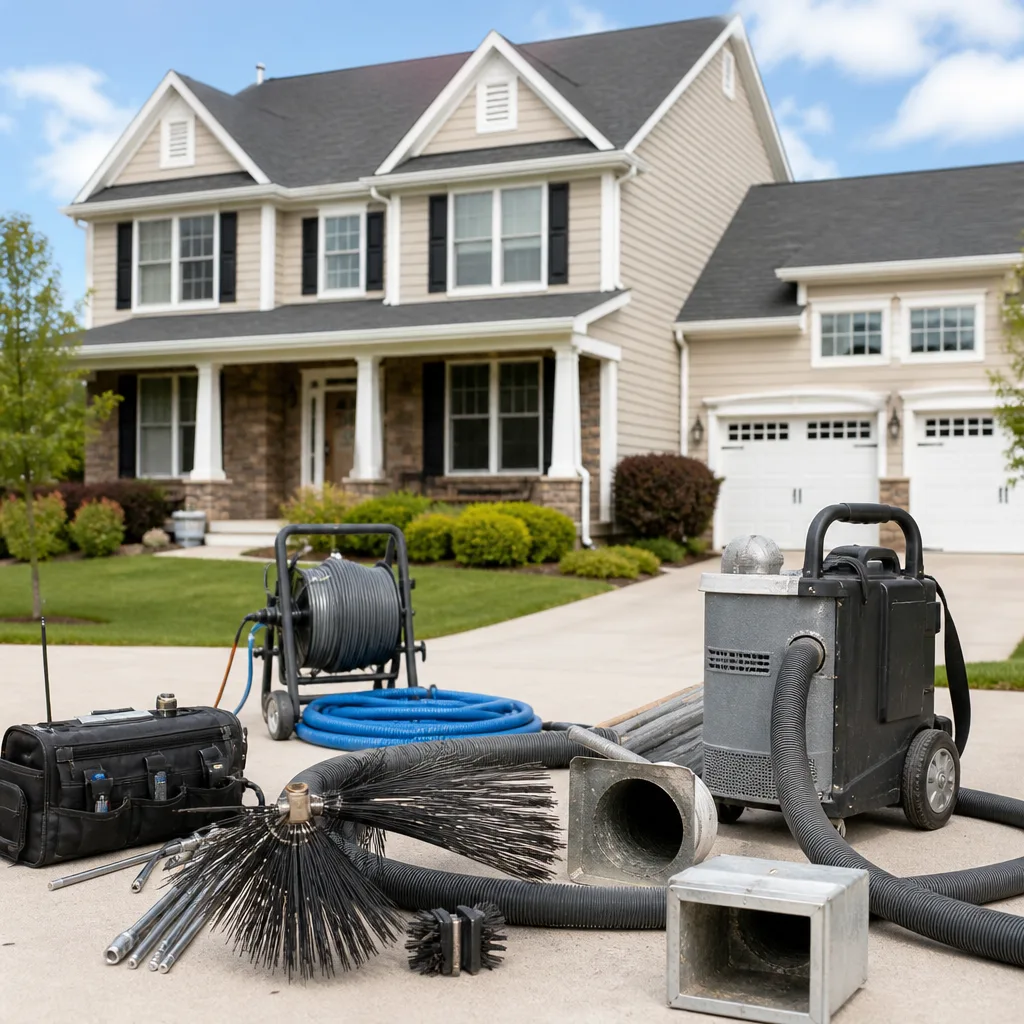
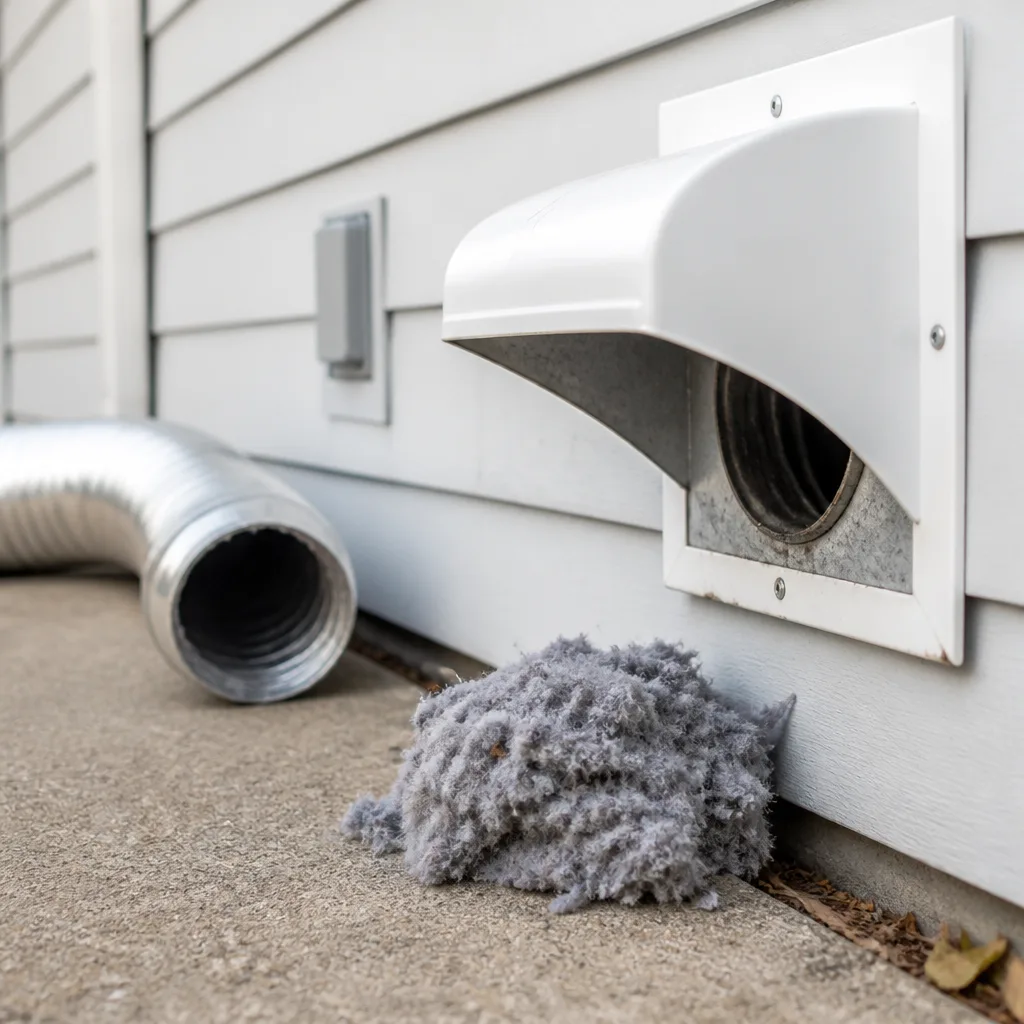 Dryer vent cleaning
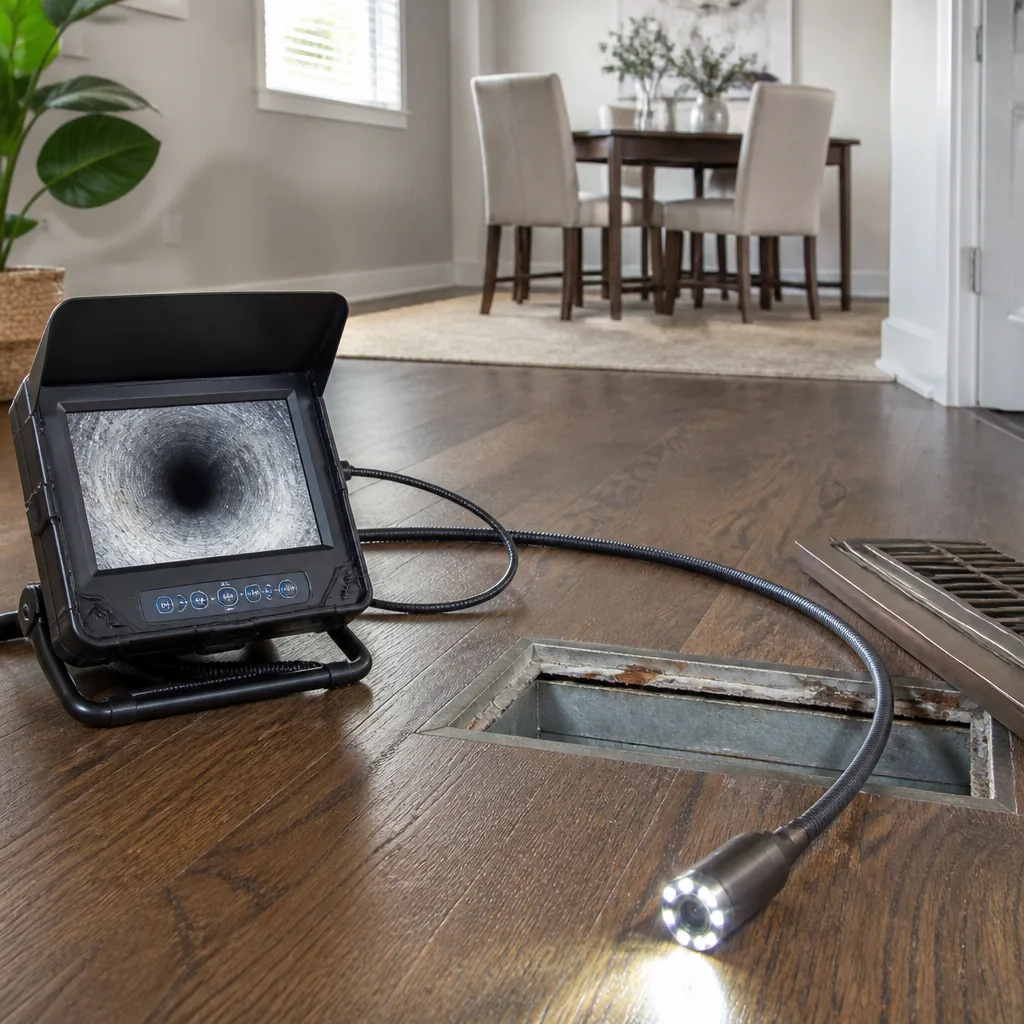 Camera inspection
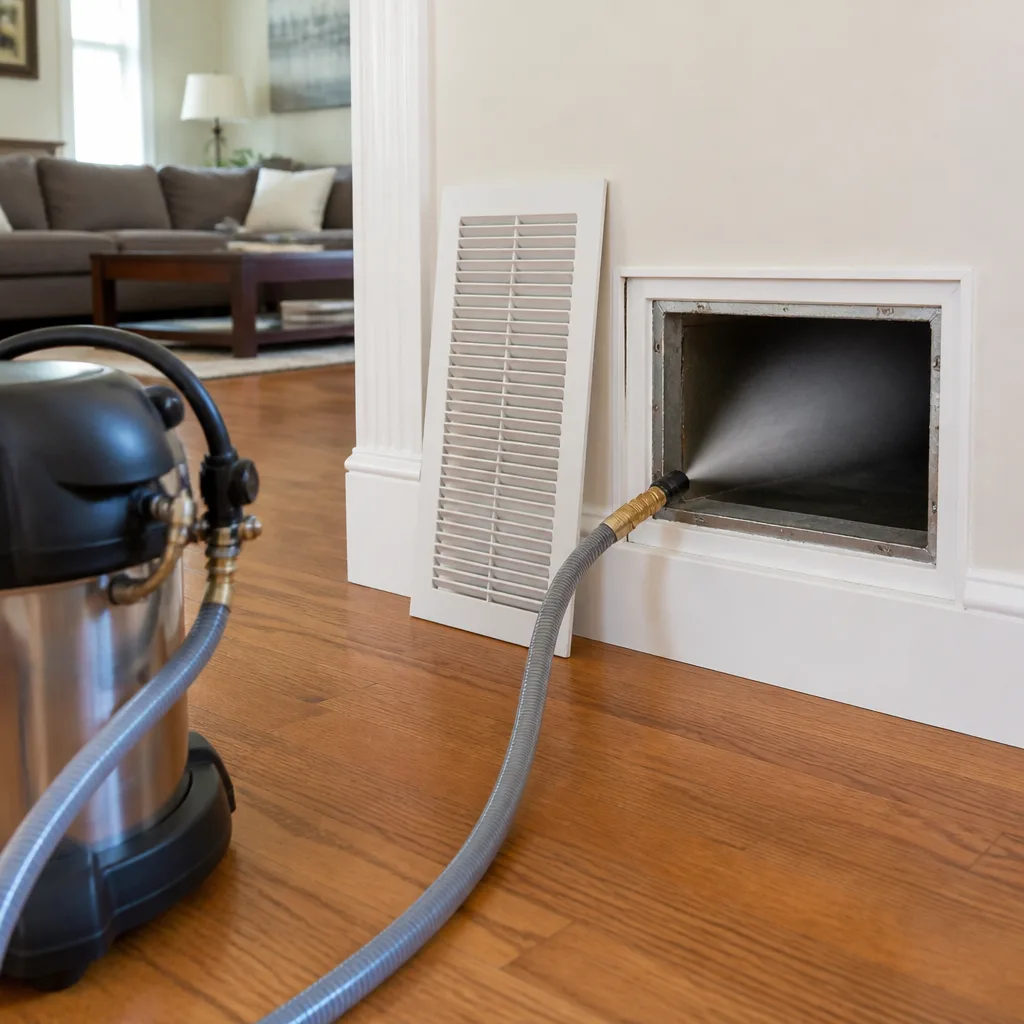 Sanitizing & deodorizing
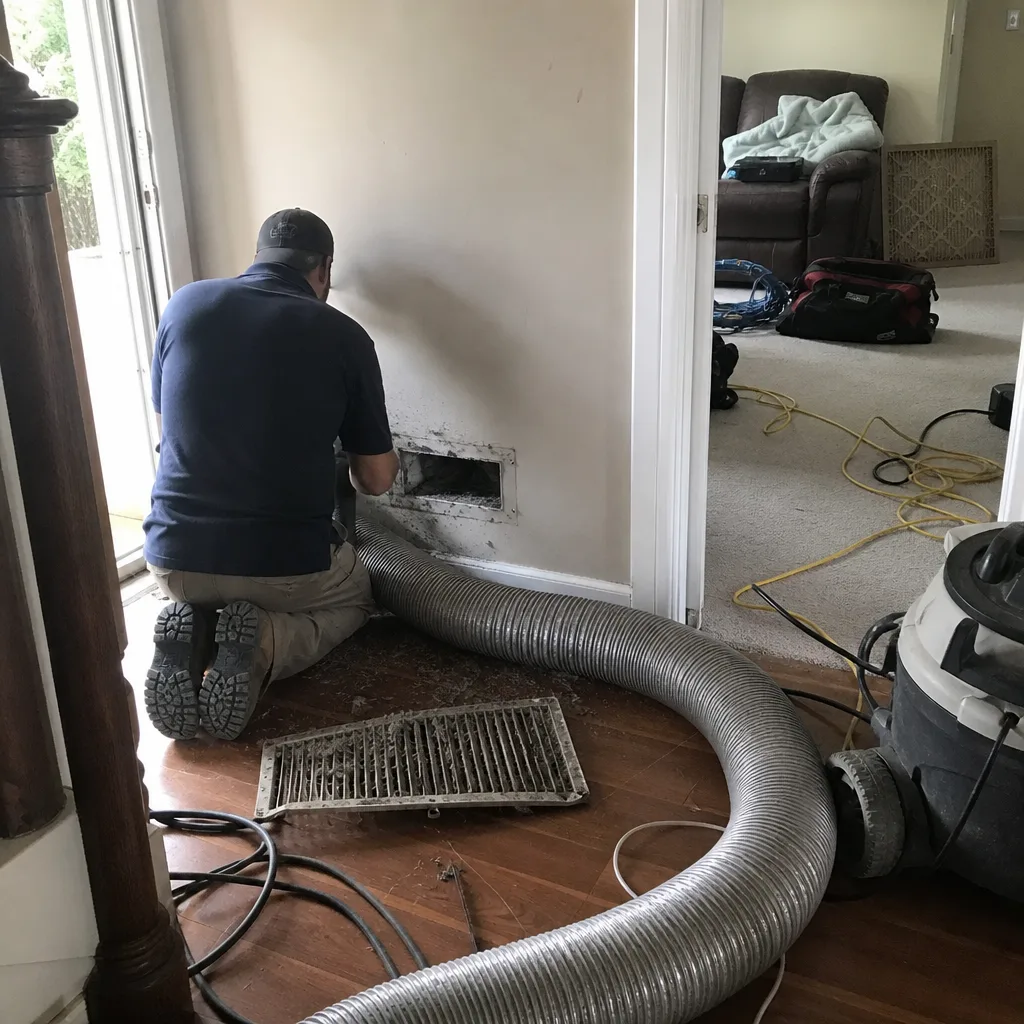
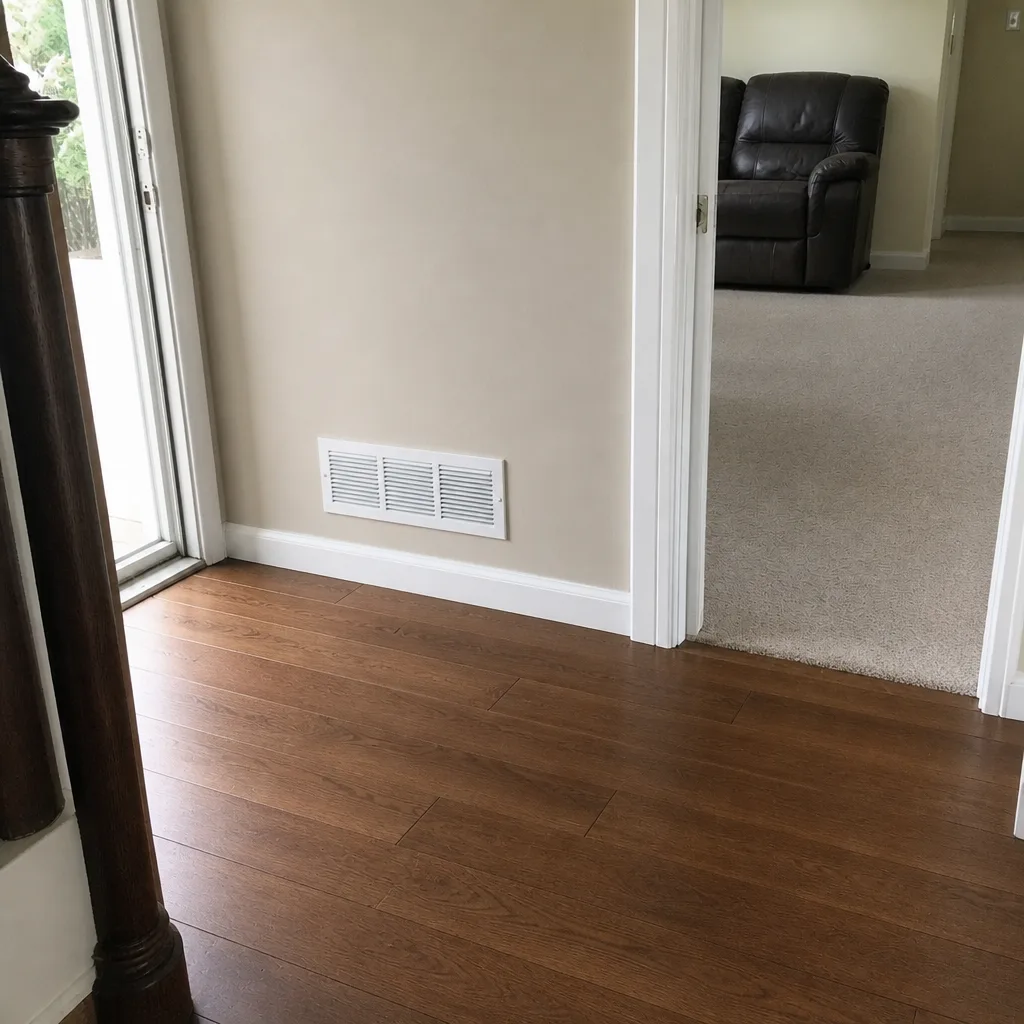
Whole-system duct and dryer vent check with before-and-after photos - you see exactly what came out of your vents
That "$99 whole-house special" is a bait ad - the real number appears once they are in your hallway, or the "clean" is a shop-vac at the register. We photograph the inside of your ducts before and after instead.
Air Duct Cleaning Cost Breakdown: The North Hills Homeowner’s Reference for 2026
A $99 duct cleaning quote and a $650 duct cleaning quote can land in the same North Hills zip code, and they are rarely the same service. One cleans the duct runs a technician can reach. The other includes the air handler, the coil compartment, and the return plenum, which is where a large share of a system’s debris actually settles. The number on the invoice tells you almost nothing until you know what scope sits behind it. This guide breaks down what each line item in a full-system clean covers, what a fair range looks like in North Hills in 2026, and how to line up competing quotes on identical deliverables before you compare a single price.
Quick Answer
A full-system air duct cleaning in North Hills in 2026 typically runs $450 to $900 for most homes, with supply and return runs, the air handler compartment, coil cleaning, the blower compartment, and the plenum included. A basic accessible-run clean sits around $250 to $400, and large homes or systems with heavy contamination reach $1,000 to $1,600. The scope, not the square footage alone, is what moves the price.
Styles & brands we work with
- Whole-home duct cleaning
- Dryer vent cleaning
- Camera inspection
- Sanitizing & deodorizing
Table of Contents
- Why two duct cleaning quotes in North Hills vary by four times
- Line-item cost breakdown for a full-system clean
- What low-bid quotes leave out and what it costs to add back
- What actually changes the price: home size, duct count, system age, and duct material
- Legitimate add-ons: UV treatment, antimicrobial, and duct sealing
- How to normalize competing quotes with a scope checklist
- Why the equipment matters as much as the scope
- Common mistakes to avoid
- When to call a professional
Why Two Duct Cleaning Quotes in North Hills Vary by Four Times
The name on the invoice is the same. The work behind it is not. In our experience across North Hills, the price gap almost always traces back to scope, not to competition or overhead. A company quoting a low number is usually cleaning a narrower slice of the system and leaving the rest untouched.
Here is the part most quotes never spell out: a forced-air system is a chain, and the air handler, coil, blower, and return plenum sit at the center of it. Debris collects there because that is where the air slows down and changes direction. A clean that skips those components leaves the dirtiest part of the system in place, then blows air right past it. The ducts themselves may look spotless in a before-and-after photo while the plenum sits full of dust.
The four-times spread, then, comes from four common differences:
- Accessible-run cleaning versus full-system cleaning. One covers the straight runs a technician can reach. The other includes the boxed-in components at the heart of the system.
- Negative-air containment or no containment. Without controlled suction, dislodged debris goes back into your rooms rather than out of the house.
- Air handler and coil included or billed separately. These are labor-heavy steps and the first thing dropped from a budget quote.
- Sanitizing and filtration during the job or not at all. A cleaning without air-scrubber support can leave fine particulate circulating long after the technician leaves.
Two North Hills homeowners with identical homes can pay very different totals and both believe they got “duct cleaning.” Only one has a full airflow path that was actually addressed. That is the whole reason a cost breakdown matters: it lets you see what the number is buying.
Line-Item Cost Breakdown for a Full-System Clean in North Hills
Here is what a professional air duct cleaning service should itemize, with estimated North Hills market ranges for 2026. Treat these as typical ranges, not quotes. A written estimate for your specific system sets the final price.
| Component | What it covers | Typical range |
|---|---|---|
| Supply duct runs | All supply branches, cleaned with a rotary brush and negative-air capture | $150 – $300 |
| Return duct runs | Return branches and grilles, often heavier with debris than supply | $100 – $220 |
| Air handler compartment | The cabinet and interior surfaces where the blower and coil live | $75 – $180 |
| Coil cleaning | Evaporator coil cleaning, the step most low quotes skip | $100 – $250 |
| Blower compartment | Blower wheel and housing cleaned so airflow is restored | $60 – $150 |
| Return plenum | The main return trunk and plenum, a common debris collection point | $75 – $200 |
Add those up and a complete clean lands in the $450 to $900 range for a typical single-family home in North Hills. Larger homes, multiple systems, or systems with decades of buildup push toward $1,000 to $1,600. A basic clean of accessible runs only, with none of the central components, typically runs $250 to $400.
The single most useful thing you can do with this table is hold it next to each quote you receive. If a bid comes in far below the range without explaining which line items are excluded, you now know exactly what is missing. Call (844) 443-4850 if you want a scope walked through line by line. Estimates are free.
What Low-Bid Quotes Leave Out and What It Costs to Add Back
The cheapest bid is never a smaller version of the same job. It is a different job. The exclusions usually fall into the same handful of categories, and each one is where the real work (and cost) lives. Here is how to spot them and what the add-on typically costs when billed separately.
- Coil cleaning. The evaporator coil is a dense finned surface that traps dust and, in a humid North Carolina summer, supports biological growth. Many low quotes exclude it entirely. Billed separately, coil cleaning runs roughly $100 to $250.
- Blower compartment. A dust-caked blower wheel throws off balance and reduces airflow. When it is not included, expect $60 to $150 to add later.
- Return plenum. The main return trunk collects some of the heaviest debris in the system. Omitted from a budget clean and often added back at $75 to $200.
- Air handler cabinet interior. Cleaning the box that houses the components is labor-intensive and frequently dropped, adding $75 to $180 when itemized.
- Negative-air containment. Cleaning without a controlled vacuum means debris gets stirred up rather than captured. A proper setup using Nikro negative-air machines is part of a real full-system job, not an upsell.
- Air scrubbing during the job. Running Abatement Technologies air scrubbers while work is underway keeps fine particulate out of your living space. When it is missing, the homeowner often notices a fresh layer of dust after the technician leaves.
Line those exclusions up against a $99 headline and the math is easy to see: the cheap quote is cheap because most of the actual cleaning is not in it. When a low-bid company adds the missing components on-site, the final bill often climbs past what a properly scoped full-system quote would have been from the start. That gap, between the teaser and the invoice, is the shape of the industry’s bait-and-switch reputation. The fix is simple. One flat price per system for a defined scope, agreed before any work begins.
What Actually Changes the Price in North Hills
Two homes of the same square footage can quote very differently. Size is one factor; system configuration and duct material often matter more. Here is how each variable moves the number.
Home size and system count
A single 1,500-square-foot home with one system is a straightforward job. A 3,000-square-foot North Hills home with two systems, or a zoned setup with separate returns, effectively doubles the components to clean. Each additional air handler, coil, and plenum is its own line item. This is the biggest reason pricing scales with systems rather than with square footage alone.
Duct count and layout
More supply and return branches mean more cleaning time, more brushes passed, and more negative-air management. Long runs, tight attic spaces, and branches boxed into walls all add labor. A straightforward ranch layout and a sprawling two-story with a finished basement are not priced the same even if the footprint looks similar.
System age and contamination level
A system that has never been cleaned since installation takes longer than one maintained on a schedule. Heavy debris, pest evidence, or significant microbial growth means more passes with the HVAC cleaning equipment and more sanitizing work. Expect the upper half of the range for a first-time deep clean.
Duct material: flex, rigid metal, or duct board
- Flexible duct is common in newer construction and additions. It is faster to clean but demands lower brush speeds and careful negative-air control to avoid damaging the liner.
- Rigid metal duct is durable, tolerates aggressive rotary cleaning, and is generally the most predictable to price.
- Duct board (fiberglass-lined) requires the most care. The interior surface is fragile, so it needs gentler rotary tools and careful sanitizing. Duct board that has been wet or damaged often needs repair, which is why our Air Duct Cleaning North Hills work pairs cleaning with dryer vent cleaning and duct repair handled in the same visit.
We use Rotobrush rotary brush systems specifically because they adapt to these three materials without damaging the duct interior. Ask any company you hire which tools they run on duct board versus metal. The answer tells you whether they understand the material or treat every duct the same.
Legitimate Add-Ons: UV Treatment, Antimicrobial, and Duct Sealing
Add-ons are where upsell pressure lives, so it is worth knowing which ones earn their cost. None are mandatory. Each has a real use case and a point where it stops making sense. We would rather explain the cost-benefit than push the line item.
- Antimicrobial application and sanitizing. Useful when cleaning uncovers microbial growth, musty odor, or pest activity. Cost typically runs about $100 to $200 depending on system size. It is a treatment after cleaning, not a substitute for it. If a company sells sanitizing without cleaning the source, walk away.
- UV treatment. A UV light at the coil can help limit growth on a damp coil surface, particularly through North Carolina’s humid summers. Range is roughly $250 to $600 installed depending on the unit. It is a genuine aid, not a cure for a dirty system. Clean first, then decide if ongoing control is worth it.
- Duct sealing. Leaking ducts waste conditioned air before it reaches your rooms, which makes the system work harder and your energy bills climb. Sealing leaks on accessible runs and plenums typically runs $200 to $500 and stacks well with cleaning, since the technician already has the system open. It also stops new dust from being pulled in through gaps.
Our approach is to clean, sanitize, and seal in one visit where the system calls for it. That keeps you from scheduling a second contractor for duct work that only becomes visible once the ducts are open. On the air-quality side, we work with Honeywell and Aprilaire products to bridge the gap between a one-time cleaning and long-term filtration. If a filtration upgrade is genuinely the better long-term answer, we will say so instead of selling another cleaning.
How to Normalize Competing Quotes with a Scope Checklist
You cannot compare prices until the jobs are identical. A scope checklist turns three vague quotes into three comparable offers. Ask every company the same questions and write the answers next to the same list.
- Which components are included: supply runs, return runs, air handler cabinet, coil, blower, and return plenum? (Should be all six for a full-system clean.)
- What equipment will be used for the cleaning, and is it rotary brush plus negative-air? (Name the tools.)
- Is negative-air containment set up during the job, and is any air scrubbing done while work is in progress?
- Is the price a flat price per system, or does it change based on what the technician finds? Get it in writing.
- Will you show before-and-after photos of my own ducts, not stock images?
- If repairs or sealing turn out to be needed, is that handled in the same visit or by a separate contractor?
- What does the written estimate say is excluded?
Once all three companies answer the same seven questions, the lowest number and the highest number finally mean something. Compare deliverables first, price second. If two quotes cover the same scope and one is far cheaper, ask why. A straight answer is a good sign. A vague one is your cue to keep looking.
Before you decide, it also helps to know what a genuine full-system job looks like. When you understand where debris actually collects (the plenum, the coil, the blower), a quote that skips those points stands out fast. Call (844) 443-4850 and we’ll walk through the checklist on your system. Estimates are free.
Why the Equipment Matters as Much as the Scope
Scope tells you what gets cleaned. Equipment decides whether it actually gets cleaned or just dislodged. A shop vac and a brush are not duct cleaning. Professional-grade tools are built for the job, and the difference shows in the air you breathe after the technician leaves.
Here is what professional equipment does that a budget setup does not:
- Rotobrush rotary brush systems spin through the duct and scrub the interior surface loose, then feed the debris into a vacuum. They are the same type of equipment trusted by professional HVAC contractors nationwide, and they are designed specifically for duct work, not repurposed from general cleaning.
- Nikro negative-air machines create controlled suction at the system, so dislodged debris travels toward the collection point rather than back into your rooms. Containment is the whole game with duct cleaning. Without it, you are just redistributing dust in a more energetic way.
- Abatement Technologies air scrubbers run during sanitizing to keep air quality up while contaminants are being captured and neutralized. That means the fine particulate a cleaning stirs up leaves your home rather than settling on your furniture.
Equipment is also why the cheaper bid is cheaper. A proper full-system clean means the technician is managing containment, running rotary tools through every branch, and capturing what comes loose. That takes time and gear. Ask any company you hire to name their cleaning and containment equipment. If the answer is a generic “we use the best,” that is not a scope you can trust. We’re glad to name ours: Rotobrush, Nikro, and Abatement Technologies, with Honeywell and Aprilaire on the air-quality side. Five core services, from the dryer vent to the return air plenum, handled by the same team, so you don’t coordinate a second contractor for repair and sealing. Our technicians have up to 12 years of experience with these systems.
Common Mistakes to Avoid
- Choosing on headline price alone. A $99 quote and a $650 quote are rarely the same job. The low number is low because most of the cleaning is not in it. Compare scope first.
- Accepting a quote with no itemized components. If the bid does not list supply runs, return runs, air handler, coil, blower, and plenum, assume the missing ones aren’t included.
- Skipping the return plenum and coil. These are the dirtiest parts of most North Hills systems. A clean that skips them leaves the source untouched.
- Hiring a company that can’t name its equipment. In an area with older housing stock and lots of flex duct in newer additions, the wrong tool damages the duct liner. Ask which rotary and containment systems they run.
- Paying for sanitizing without cleaning first. Antimicrobial treatment on top of a dirty system seals the dirt in. Cleaning comes first, treatment second.
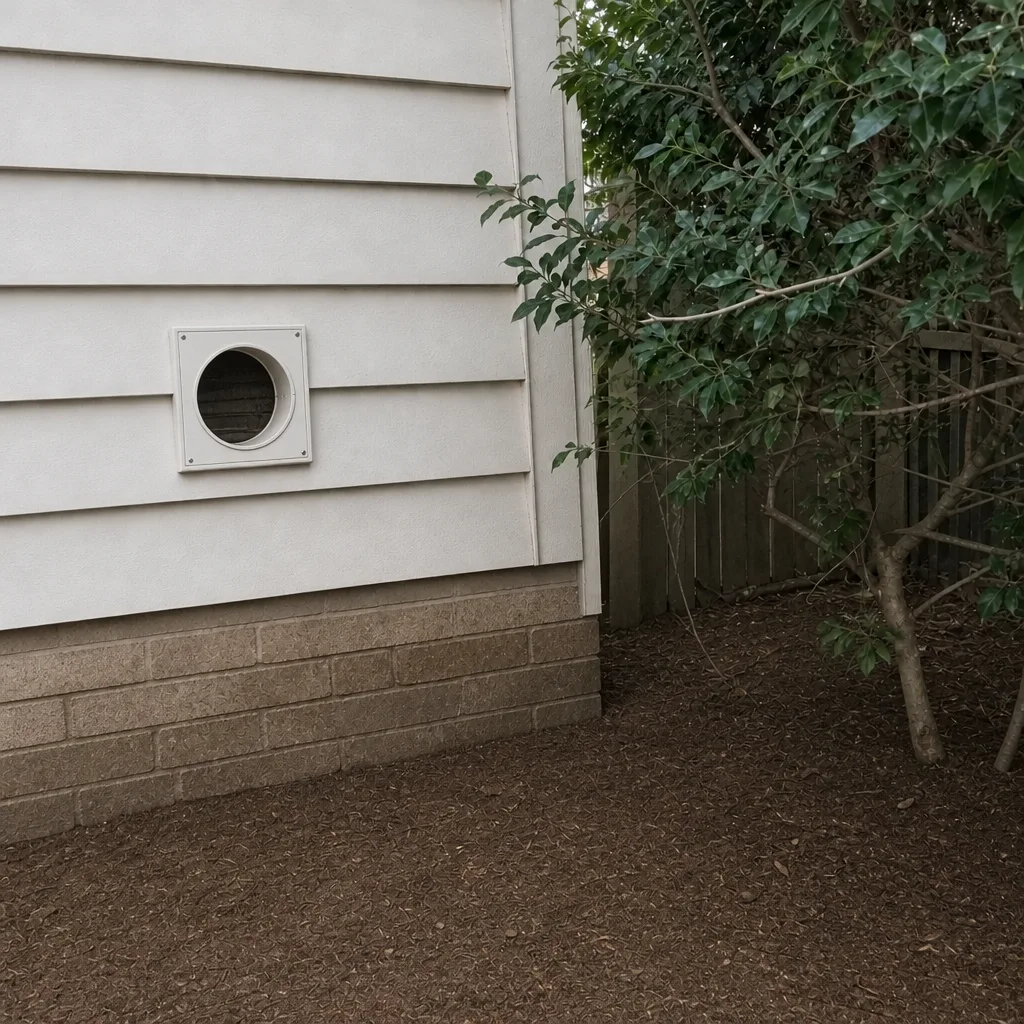
- Forgetting the dryer vent. Clogged dryer vents are a leading cause of residential fires. If a quote covers ducts but ignores the dryer vent, ask why.
- Not confirming the flat price in writing. A per-component price that balloons once the technician is on-site is exactly the bait-and-switch to avoid. Insist on one flat price per system before work starts.
When to Call a Professional
Call a professional when air from your vents carries visible dust shortly after you clean, when rooms smell musty or stale even with the system running, or when you notice dust streaks on the grilles. If you or someone in the home has allergies that seem worse indoors, or if you have recently finished a renovation that filled the ducts with drywall dust, a full-system clean is worth it. The same goes for a home you’ve just moved into where the duct history is unknown, or a system that has been running for years without ever being cleaned. If cleaning uncovers damaged duct board or leaking joints, that’s the moment to get it sealed properly.
Air Duct Cleaning North Hills offers free estimates in North Hills. Call (844) 443-4850. We answer 24/7. Fast dispatch from 7am to 7pm, Sunday through Friday.
See the difference
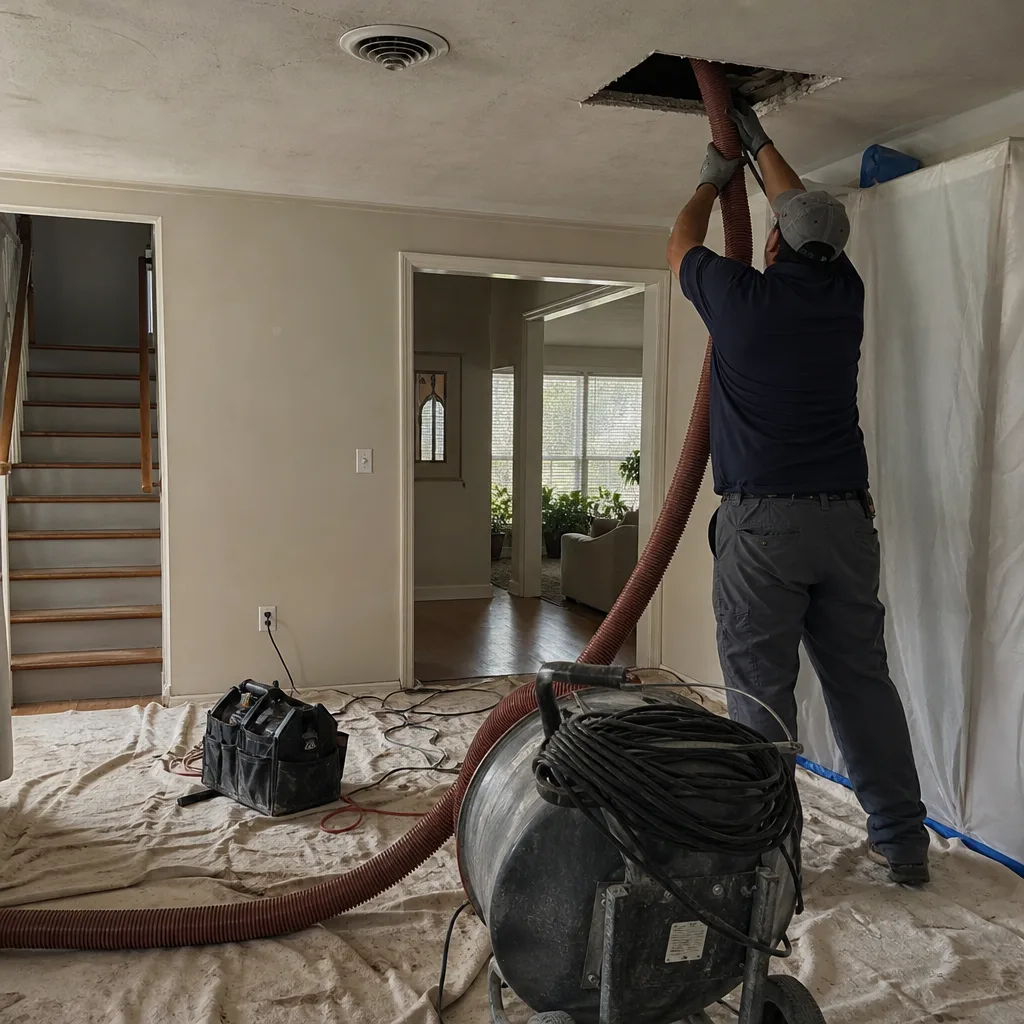 Before
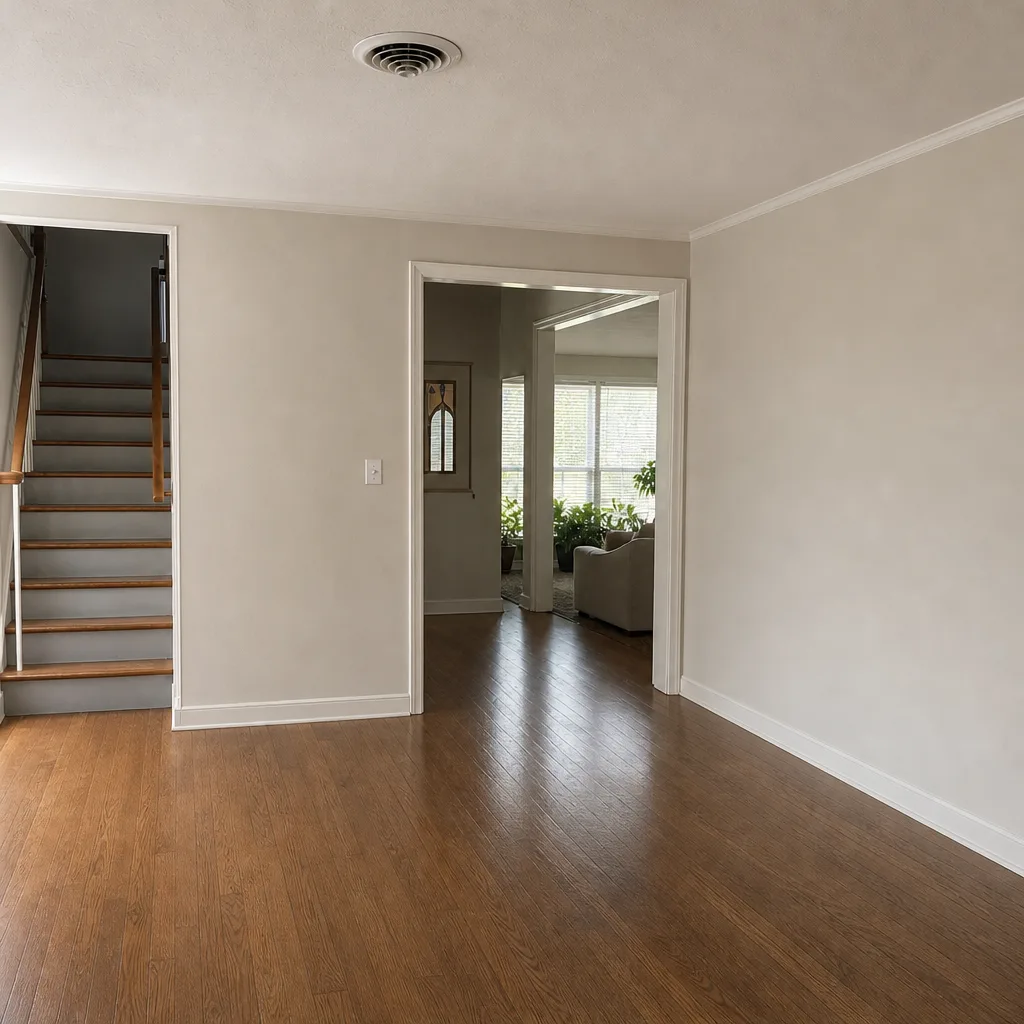 After
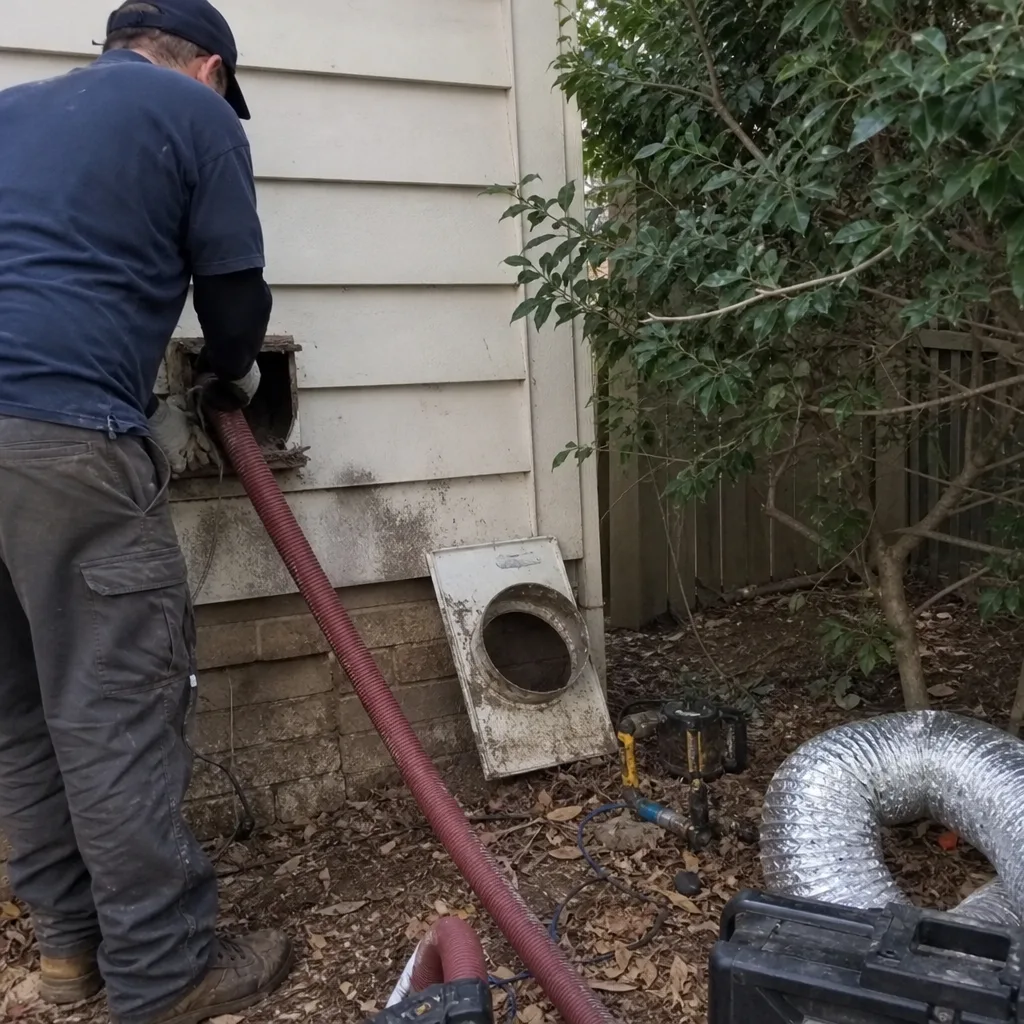 Before
 After
 Before
 After
Frequently Asked Questions
A full-system clean typically runs $450 to $900 for most North Hills homes, and $1,000 to $1,600 for larger or heavily contaminated systems. Basic accessible-run cleaning runs $250 to $400 but leaves out the air handler, coil, and plenum. Call (844) 443-4850 for an exact quote; estimates are free.
Cheap quotes are cheaper because they clean less: usually just the accessible duct runs, leaving out the coil, blower, air handler cabinet, and return plenum where most debris sits. Once the missing components are added, the final bill often climbs past a properly scoped full-system quote. Call (844) 443-4850 to see a line-by-line range for your system.
Ask for before-and-after photos of your own ducts, not stock images, and a clear written scope of what was cleaned. A professional job shows you the coil and plenum before and after, and the difference is visible. Call (844) 443-4850 to book an estimate and see the scope in writing.
Every three to five years is a reasonable general guide, sooner if you have pets, recent renovations, allergies, or visible dust from the vents. Homes in North Hills with heavy seasonal pollen and humid summers tend to benefit from staying on the front end of that range. Call (844) 443-4850 if you’re unsure where your system stands.
Yes. Rigid metal is the most predictable and durable; flex duct needs gentler tools; duct board (fiberglass-lined) requires the most care because the interior surface is fragile. The material determines which rotary tools are safe, which affects labor and cost. Call (844) 443-4850 and we’ll tell you what your system needs.
Duct cleaning covers the supply and return runs. HVAC cleaning goes into the components at the center of the system: the air handler, coil, blower, and plenum. A full-system job does both. Call (844) 443-4850 and we’ll scope it to your system, estimates are free.
The Bottom Line
The price of air duct cleaning in North Hills is really the price of a scope. A $99 quote and a $650 quote are rarely the same job; one cleans the accessible runs, the other cleans the whole airflow path, including the air handler, coil, blower, and return plenum. Use the line-item table to know the components, use the seven-question checklist to normalize every quote to identical deliverables, and insist on one flat price per system in writing before work starts. When a quote covers the full system with professional equipment, the number finally means something.
Ready to see a full-system scope for your North Hills home? Call (844) 443-4850 for a free estimate. We answer 24/7. Fast dispatch, 7am-7pm, Sunday through Friday.
Written by the team at Air Duct Cleaning North Hills.