
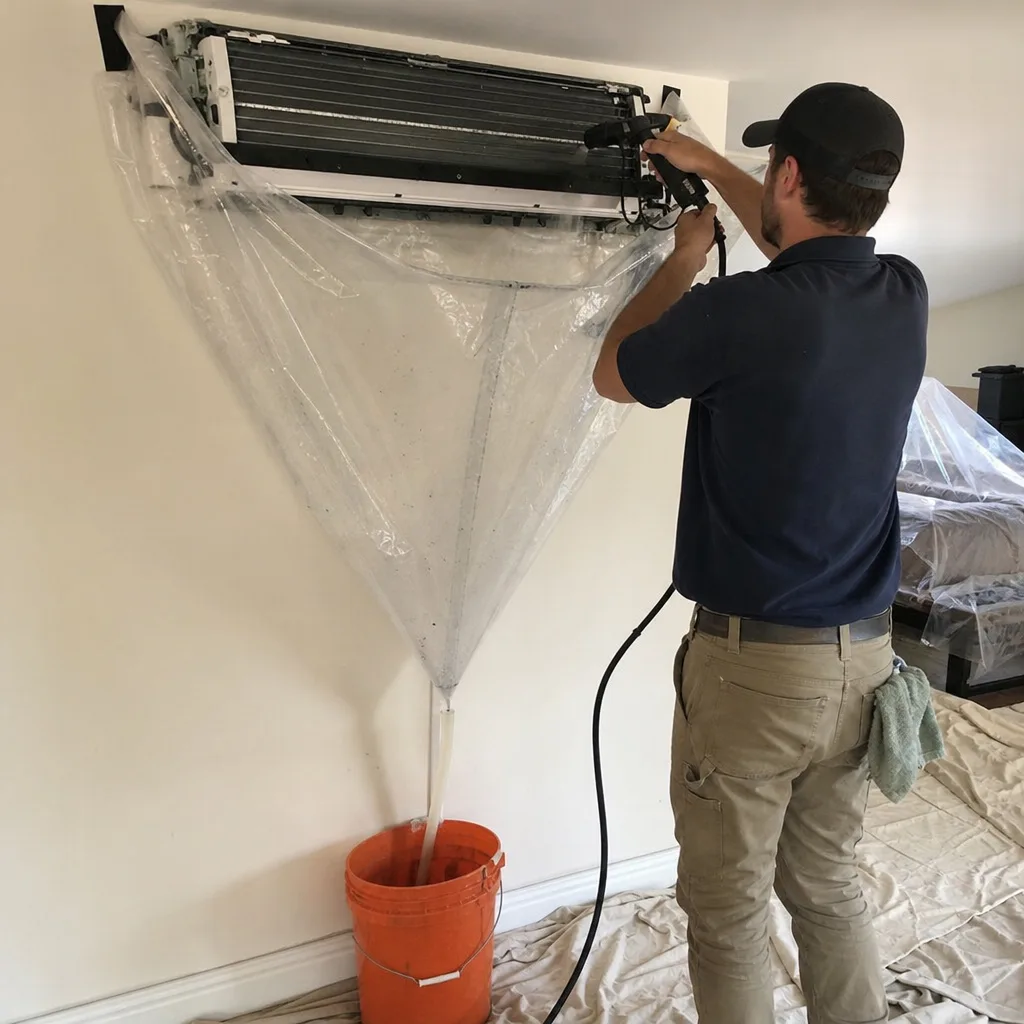
Last updated November 23, 2026
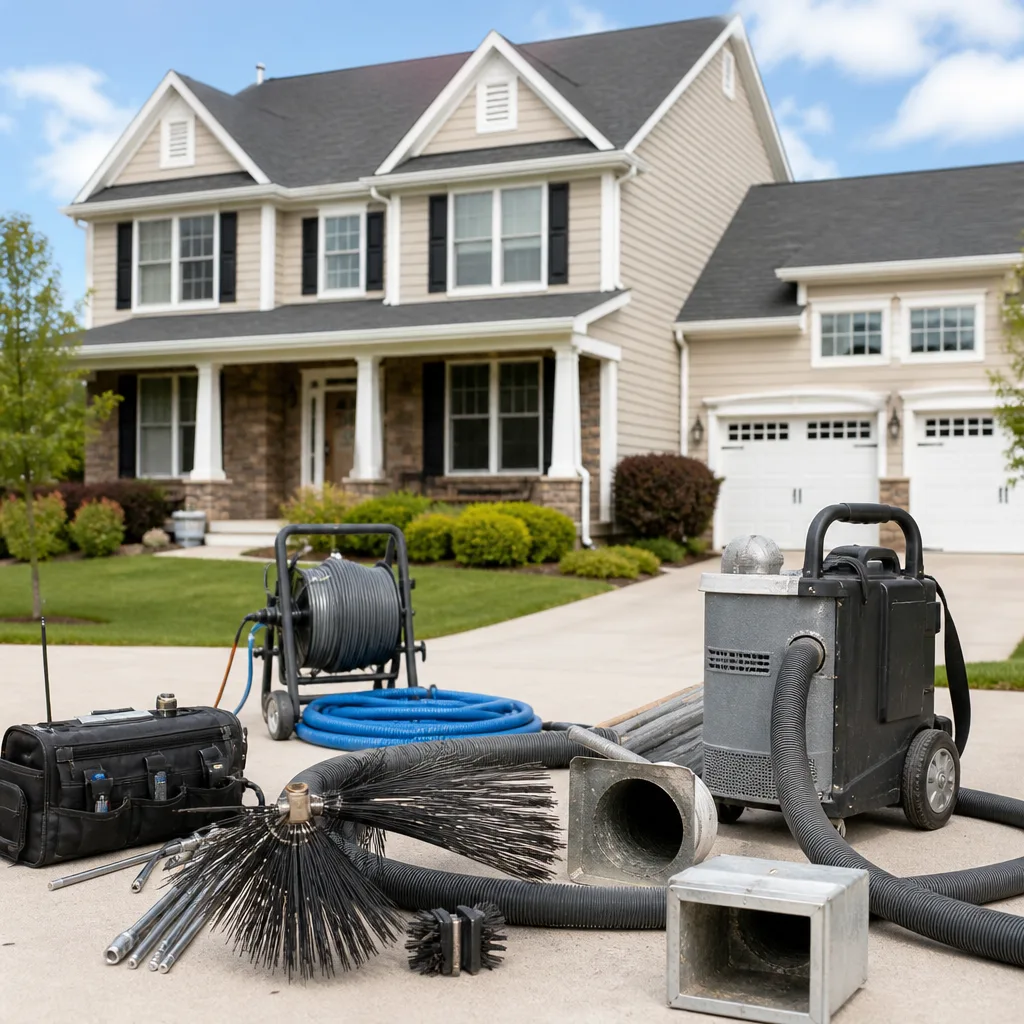 Whole-home duct cleaning
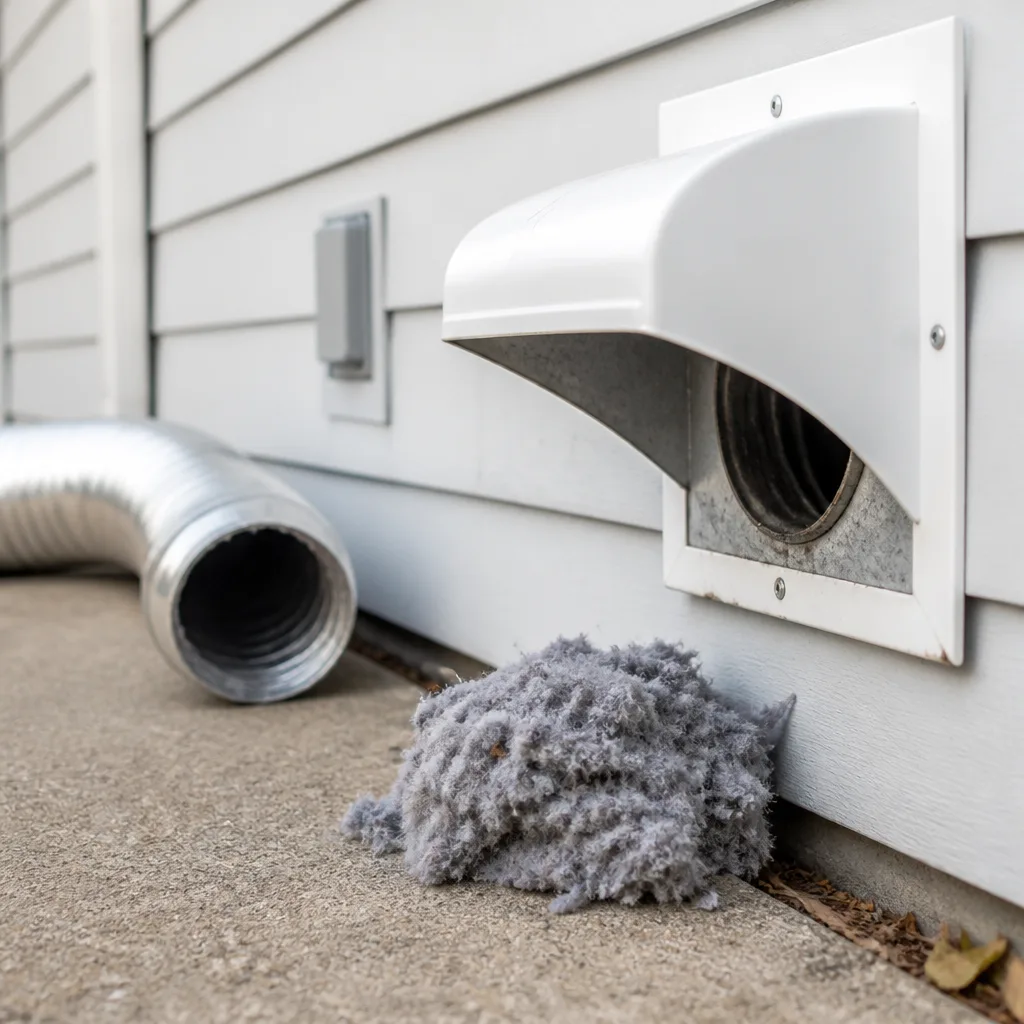 Dryer vent cleaning
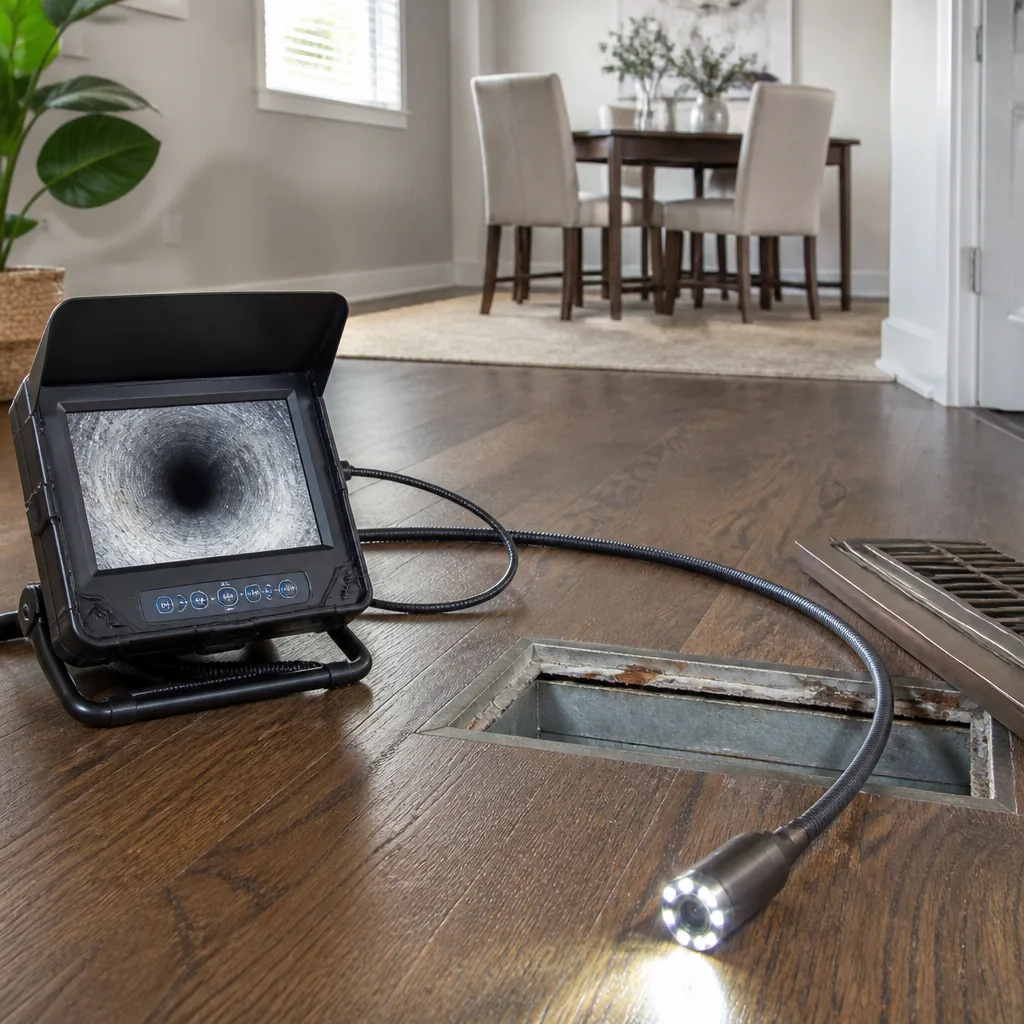 Camera inspection
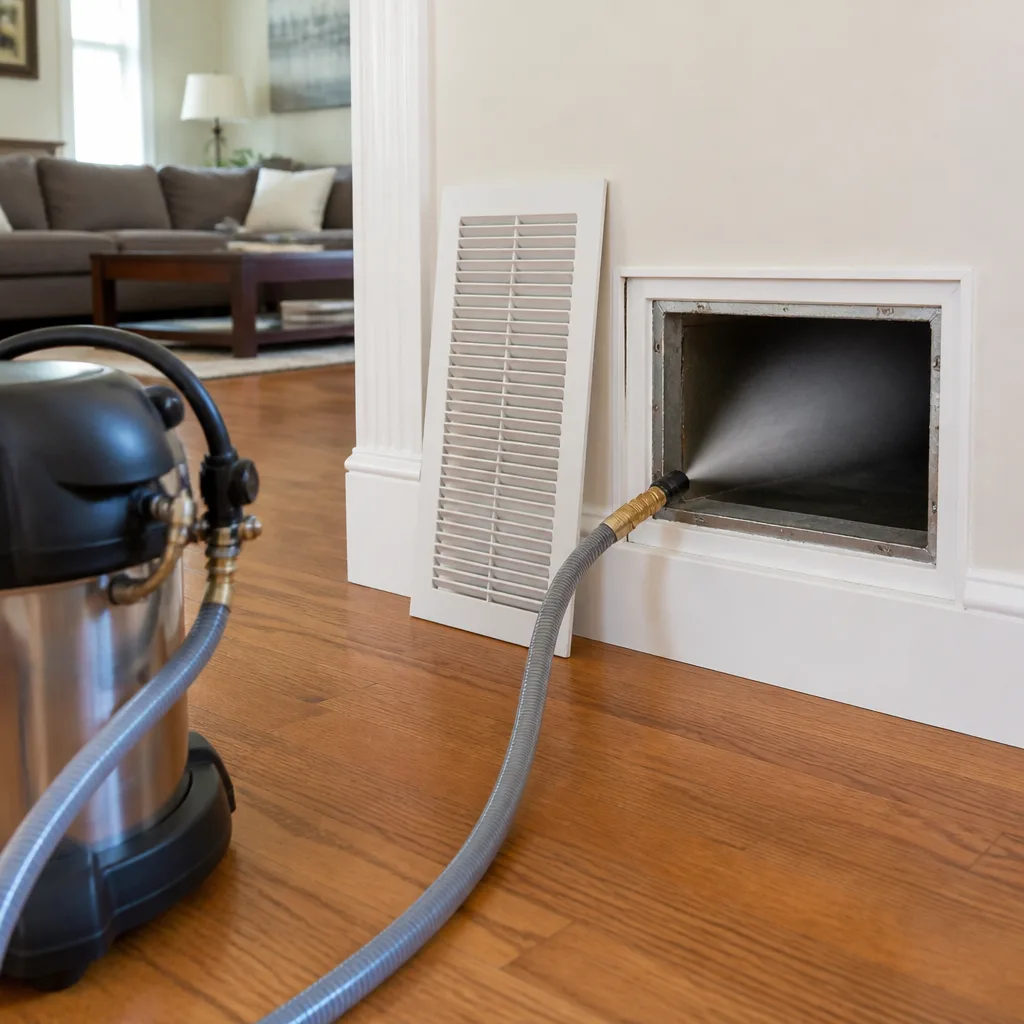 Sanitizing & deodorizing
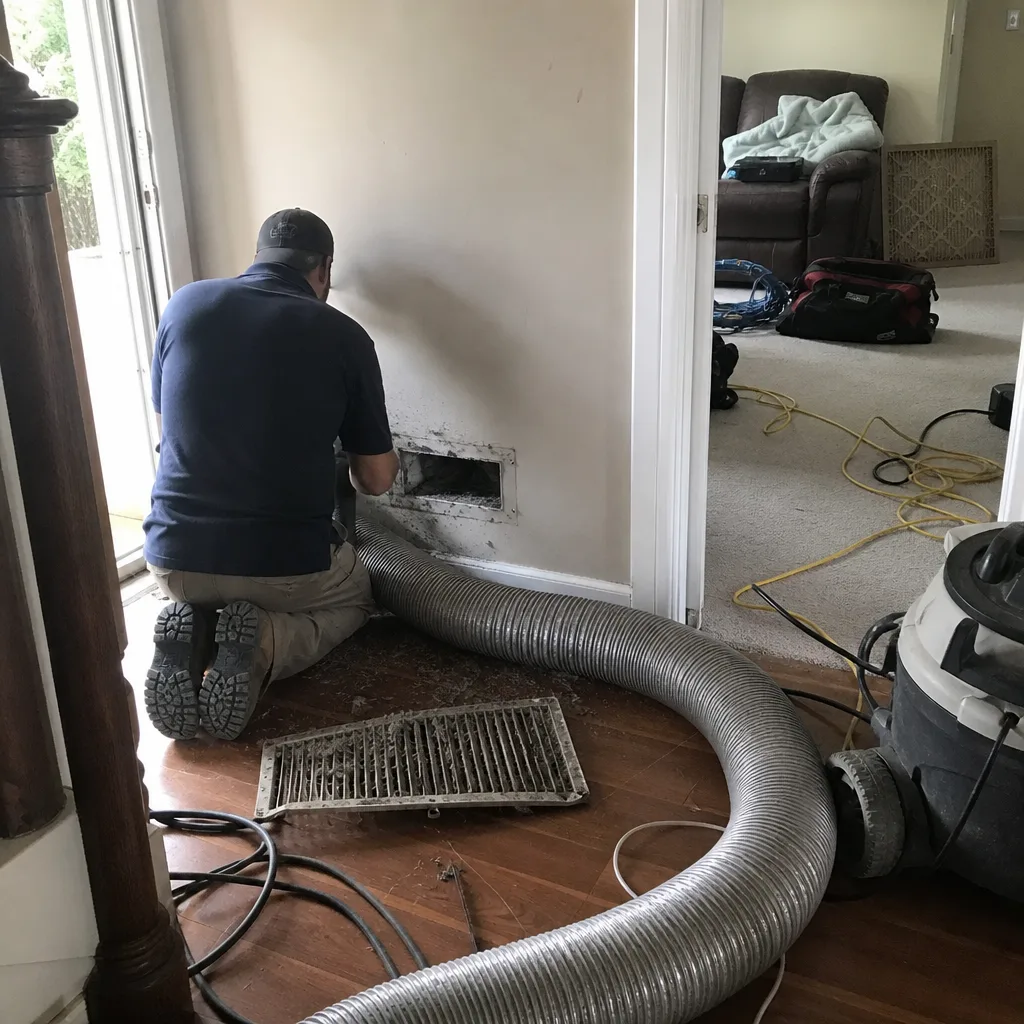
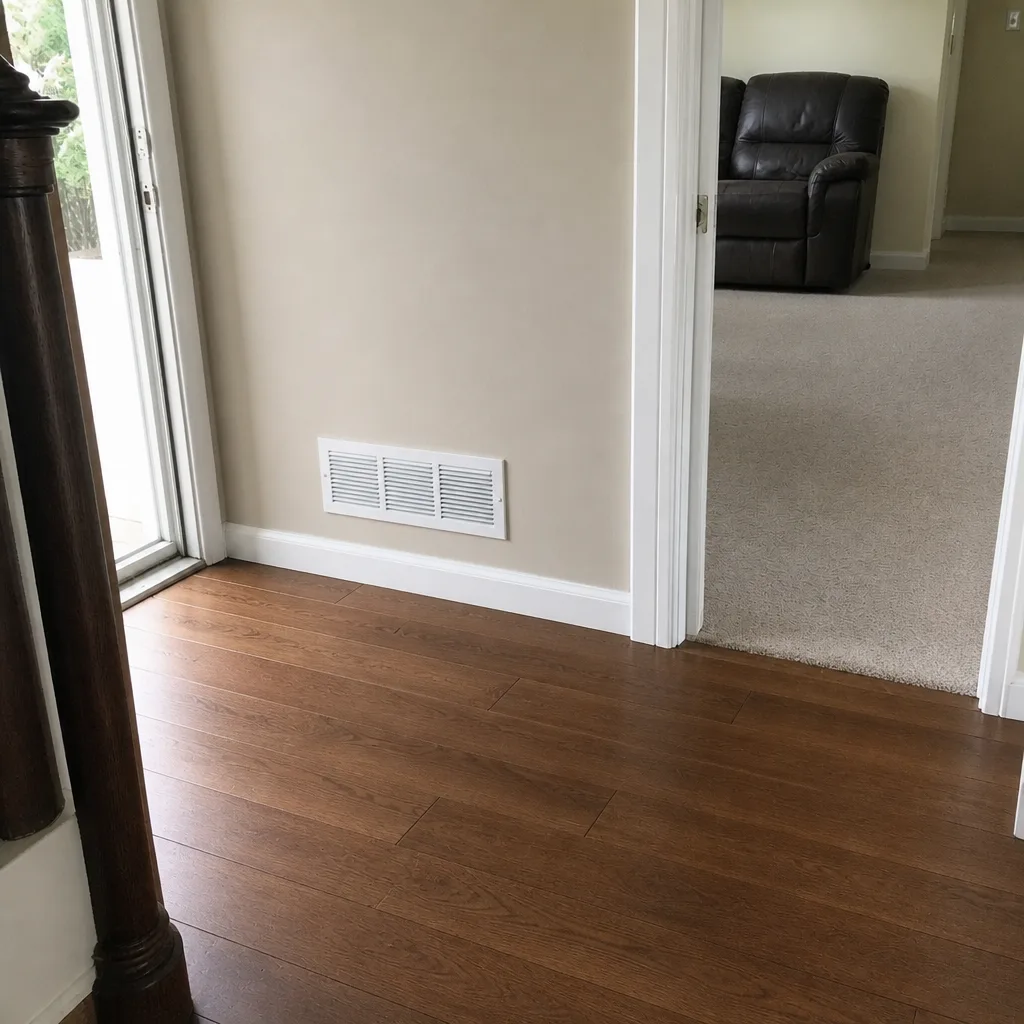
Whole-system duct and dryer vent check with before-and-after photos - you see exactly what came out of your vents
That "$99 whole-house special" is a bait ad - the real number appears once they are in your hallway, or the "clean" is a shop-vac at the register. We photograph the inside of your ducts before and after instead.
Air Duct Cleaning Emergency Preparedness Guide for North Hills Homes
After a crawl space flood, the standard advice is to dry the structure. Fans run, dehumidifiers hum, the moisture meter reads dry, and everyone moves on. But ducts that pass through or near the flooded area can hold moisture and biofilm for months after the framing tests dry, because nobody opened them up to look. That gap between a dry house and a clean air system is where small emergencies turn into long-term air quality problems. In this guide, we cover the four events that call for immediate duct assessment in North Hills, the steps to take in each, how to document everything for an insurance claim, and how restoration cleaning differs from routine maintenance. You’ll finish knowing exactly what to do in the first hours.
Quick Answer
Air ducts in North Hills homes need immediate assessment after four types of events: water intrusion near duct runs, smoke or fire damage (including minor kitchen fires), confirmed rodent or pest entry, and major demolition renovation. In each case, the first step is to limit airflow through the affected ducts, document conditions with photos and moisture readings before anything is cleaned, and call for a professional inspection before the system runs again. Mold can begin colonizing moist duct interiors within 48 to 72 hours under North Hills’ summer humidity, which is why the assessment window is measured in hours, not weeks.
Styles & brands we work with
- Whole-home duct cleaning
- Dryer vent cleaning
- Camera inspection
- Sanitizing & deodorizing
Table of Contents
- Why Duct Systems Need an Emergency Plan
- The Four Emergencies That Require Immediate Duct Assessment
- Scenario 1: Flooding and Water Intrusion Near Duct Runs
- Scenario 2: Smoke and Fire Damage
- Scenario 3: Confirmed Rodent or Pest Entry
- Scenario 4: Major Demolition and Renovation
- Documenting Duct Condition for an Insurance Claim
- Restoration Cleaning vs. Standard Maintenance Cleaning
Why Duct Systems Need an Emergency Plan
Your duct system is the one part of your house you can’t see working. When something goes wrong in the walls, under the floor, or in the attic, the ducts are usually the last place anyone looks. In North Hills, that blind spot matters for two reasons. First, the long, humid summers we get here mean moisture that enters a duct doesn’t dry out quickly on its own. Second, many homes here have duct runs through crawl spaces and unconditioned attic zones, which are exactly the places a plumbing leak or roof failure goes unnoticed the longest.
Having a plan before an emergency happens keeps you from making a bad situation worse. The worst outcomes we see aren’t caused by the emergency itself. They’re caused by running the HVAC system during or right after an event, which pushes contaminants from a damaged duct into every room of the house. A prepared homeowner knows the shutoff sequence, knows what to photograph, and knows who to call for a full-system assessment.
This is where the full-system approach matters. A single company that handles the air duct cleaning work, sanitizing, and any needed duct repair keeps you from coordinating two or three trades while spores are settling. It also means one consistent record of what was found and what was done, which is exactly what an insurance adjuster wants to see.
One note upfront: our technicians have up to 12 years of experience with professional-grade Rotobrush rotary brush systems and Nikro negative-air machines, and that experience is what turns a panicked morning into a clear sequence of steps.
The Four Emergencies That Require Immediate Duct Assessment
Not every household mishap calls for a duct inspection. These four do, and they do so because each one introduces either moisture, particulate contamination, or a biological agent into a closed air system. Here’s the short version before we get into each scenario in detail.
- Flooding or water intrusion near duct runs – any standing water, crawl space flooding, roof leak, or plumbing failure that reaches within a few feet of ductwork.
- Smoke or fire damage – including small kitchen fires that were put out quickly. Smoke residue travels through returns and coats duct interiors far from the flames.
- Confirmed rodent or pest entry – droppings, gnaw marks, nesting material, or an actual sighting in or near the duct system.
- Major demolition renovation – projects that open walls and ceilings, generate heavy dust, or leave ducts exposed for days.
Each of these shares one thing: the damage you can see is rarely the whole story. A visual check of the vents from inside the house tells you almost nothing. The real assessment happens at the air handler, inside the return plenum, and along the trunk lines where contamination collects.
If more than one scenario applies at once, which is common after a storm that breaches a roof and lets water in, treat it as a water intrusion first. Moisture is the time-sensitive one. Smoke and pest debris can wait a day or two while you get the water under control.
Scenario 1: Flooding and Water Intrusion Near Duct Runs
Water is the emergency that moves fastest. Duct interiors are dark, warm, and lined with dust that acts like a sponge. Once that lining is damp, mold can start colonizing within 48 to 72 hours under the typical summer humidity in North Hills. That window is why the advice to “just dry the house” isn’t enough.
What to do in the first hours
- Shut off the HVAC system at the thermostat and, if you can reach it safely, at the breaker. Do not run the fan to “dry things out” – that spreads moisture and spores through every room.
- Photograph the water line, any visible wet insulation, and the areas where duct runs pass through wet material. Do this before any drying equipment goes in.
- Record the time you discovered the water and the approximate depth. Adjusters consistently ask for elapsed time because it drives the mold remediation decision.
- Call for professional assessment. Separate the water damage repair from the duct question – they’re two different inspections.
What to look for and smell for during assessment
- Wet or sagging flex duct – the outer jacket holds water and the inner liner doesn’t dry out in place. Flex duct that took on water usually needs replacement, not cleaning.
- Musty smell at the vents – a damp, earthy odor coming from the registers after the system has been off is a strong signal of moisture inside the ducts.
- Discoloration at seams and boots – dark spotting around duct joints and where the duct connects to floor registers.
- Condensation on the air handler and plenum – water beading on the metal cabinet rather than draining through the condensate line.
When in doubt, leave the system off and let a trained eye look at it. Running a wet system is the single most common mistake we see after water intrusion, and it’s the one that turns a contained problem into a whole-house cleanup.
Scenario 2: Smoke and Fire Damage
Smoke damage to a duct system often goes unaddressed because the fire itself was small. A skillet fire that flares and gets smothered leaves a residue that coats the inside of the return plenum and every branch the smoke traveled through. The house smells clean for a few days, then the odor returns the next time the system runs.
What to do right after a fire
- Keep the HVAC off until the fire department and your insurance adjuster have cleared the home.
- Photograph visible soot at the return registers – the soot pattern at the return is one of the most useful pieces of evidence for showing smoke traveled through the system.
- Note the location of the fire and which parts of the house showed smoke odor. This tells the assessment team which duct branches were affected.
- Do not wipe soot or use a household air freshener. Both contaminate the evidence before the adjuster sees it.
How smoke behaves inside ducts
Smoke is drawn into the return side of the system first, even if the blower was off when the fire started. Negative pressure in the return during the fire’s early minutes pulls smoke into the ductwork through gaps, registers, and the air handler cabinet. That’s why a kitchen fire in one corner of a North Hills home can leave smoke residue in a bedroom return on the far side. The assessment needs to follow the return side back to the air handler and out through the supply trunks.
Restoration cleaning after a fire is a different job from routine maintenance. It requires source removal with brush-and-vacuum equipment paired with air scrubbers running throughout the work, so loosened soot and char particulates get captured instead of redistributed. We use Abatement Technologies air filtration units specifically for this reason, and the difference is measurable in what comes out of the system versus what stays in your home.
Safety caveat: fire damage can compromise the structural integrity of duct supports, and smoke can hide electrical damage. Never enter a space after a fire until the fire marshal has cleared it, and always leave the electrical system assessment to a licensed electrician.
Scenario 3: Confirmed Rodent or Pest Entry
Rodents enter duct systems through gaps at the foundation, broken vent covers, disconnected flex runs, and openings around the air handler. Once inside, they leave droppings, urine, hair, and nesting material throughout the duct. This is a genuine hazard, not just a mess – rodent waste carries pathogens, and dry droppings can become airborne when the HVAC runs.
How to assess for pest entry
- Look for gaps at exterior vents, crawl space penetrations, and where ducts meet the air handler.
- Check for gnaw marks on flex duct jackets and insulation – rodents chew through vinyl and fiberglass to get into the interior.
- Smell for a sharp, ammonia-like odor near registers or the air handler. Rodent urine is distinct and persistent.
- Look for droppings inside the return air grilles, on top of the air handler cabinet, and around the base of the duct boots.
What to do before the assessment
- Shut off the HVAC system – running it while rodents are active in the ducts spreads contamination.
- Do not vacuum with a household vacuum. Standard vacuums exhaust fine particles and pathogens back into the air.
- Call for professional cleaning. Pest removal is one trade; duct cleaning after pest entry is a separate job. The two need to happen in the right order, with pest control first.
Cleaning after a rodent intrusion is a restoration job, not maintenance. It requires negative-air containment so the debris is captured under suction during removal, HEPA-level filtration, and sanitizing of the full duct run once the physical debris is gone. Disinfection matters here because urine residue penetrates the duct lining and won’t lift with vacuum alone. This is not a job for a household shop vac or a DIY brush kit.
Scenario 4: Major Demolition and Renovation
Renovation dust isn’t the same as the dust that settles on your furniture. Demolition throws drywall, insulation fibers, and construction particulate into the air in volumes that overwhelm the return filter on any system. If the ducts stay open during the work, or the HVAC is running during demo, that debris gets pulled into the duct interior and stays there long after the last coat of paint dries.
Protecting ducts during a renovation
- Close off or seal every register and return in the work zone with plastic and tape before demo begins.
- Run the HVAC as little as possible during active demolition, especially during drywall removal and sanding.
- Change the air filter at the start of the project and again the day the work is finished. Use a filter that matches what your system was designed for – an overly restrictive filter can strain the blower.
- Schedule a duct inspection and cleaning after the renovation is complete but before you fully move back into the space.
What to look for after renovation
If a project opened walls, changed the layout or added rooms, the duct runs may have been rerouted or disconnected in the process. Loose joints and disconnected runs mean the system is pulling air from wall cavities and unconditioned spaces instead of from your living room. That’s a hidden performance problem that a dust check won’t catch. A proper post-renovation assessment looks at whether every branch is still connected, sealed, and delivering air where it should.
This is where duct repair and sealing belongs in the same conversation as cleaning. If a joint is found loose during the cleaning, sealing it during the same visit keeps you from scheduling a second contractor for a small but important fix. From the HVAC cleaning side through the return air plenum, the whole airflow path is worth checking once walls have been opened.
Documenting Duct Condition for an Insurance Claim
Most homeowners lose out on parts of a duct claim because the documentation is thin, not because the loss wasn’t covered. Adjusters work from evidence: photos with reference points, moisture readings with timestamps, and a written scope that matches the damage. Here’s what actually gets used.
Photos that adjusters actually use
- A wide shot of each affected room that shows the water line or soot on the wall next to the register location.
- Close-up shots of the register and the duct interior – pull the grille off the return and photograph inside with a flashlight.
- A photo of the air handler nameplate that shows the model and serial number.
- A dated photo of the moisture meter reading against the affected duct or framing.
- A photo of any disconnected, crushed, or sagging duct with enough context to show where in the house it is.
Measurements to record
- The water line height on walls, in inches, in each affected room.
- The elapsed time from water intrusion to discovery.
- Moisture readings at each duct run identified as affected (a professional will take these with a pin or pinless meter).
- The linear feet of duct inside the affected zone, which drives the scope of restoration cleaning.
- The make, model, and age of the HVAC equipment if it was affected.
Keep a written log with dates and times throughout. It doesn’t need to be formal. A notebook that records “found water at 6:40am, called adjuster at 7:10am, HVAC off at 7:15am” is more useful than a memory three weeks later. If your insurer wants a professional scope of work, we can put one together as part of the assessment, and it will spell out what restoration cleaning involves for the affected runs.
Restoration Cleaning vs. Standard Maintenance Cleaning
Restoration cleaning and maintenance cleaning use similar equipment but the job is different in three ways: the containment setup, the sanitating step, and the documentation. If you’ve ever had an Air Duct Cleaning North Hills maintenance visit, the restoration version will look familiar but more involved.
How the two compare
- Containment – maintenance cleaning relies on the vacuum truck or portable HEPA vacuum with the system running in a controlled way. Restoration cleaning adds negative-air containment at the air handler and each work zone, so contaminants are captured under suction and don’t redistribute into the living space.
- Source removal – maintenance cleaning emphasizes dust and debris. Restoration cleaning addresses the source of the contamination: soot on the duct interior, biofilm on moisture-exposed surfaces, rodent waste, or construction particulate embedded in the duct lining.
- Sanitizing – maintenance cleaning includes sanitizing when it’s warranted. Restoration cleaning includes it as a required step, with air scrubbers maintaining air quality during the sanitizing work.
- Clearance documentation – maintenance cleaning produces a before-and-after photo set. Restoration cleaning also produces a written scope, moisture readings, and a post-job condition report that supports the insurance claim.
The equipment that makes restoration different
Rotobrush rotary brush systems are engineered for duct interiors, which means they clean the full run without damaging flex duct or leaving debris behind. Nikro negative-air machines create the controlled suction that keeps dislodged material in the vacuum rather than in your home. Abatement Technologies air scrubbers run throughout sanitizing work to hold air quality. And because we carry Honeywell and Aprilaire product expertise, we can also address filtration at the air handler if the emergency showed you that your current filter setup isn’t up to the load it was facing.
The post-job clearance standard
After a restoration clean, we want to see three things: no visible debris in any duct run on camera, no residual odor at the registers after the system runs for a cycle, and, for a water event, moisture readings at or below dry standard in the affected material. If any of those fail, the job isn’t finished. That standard is what your insurance adjuster is paying for, and it’s what any honest restoration contractor should be able to demonstrate on request.
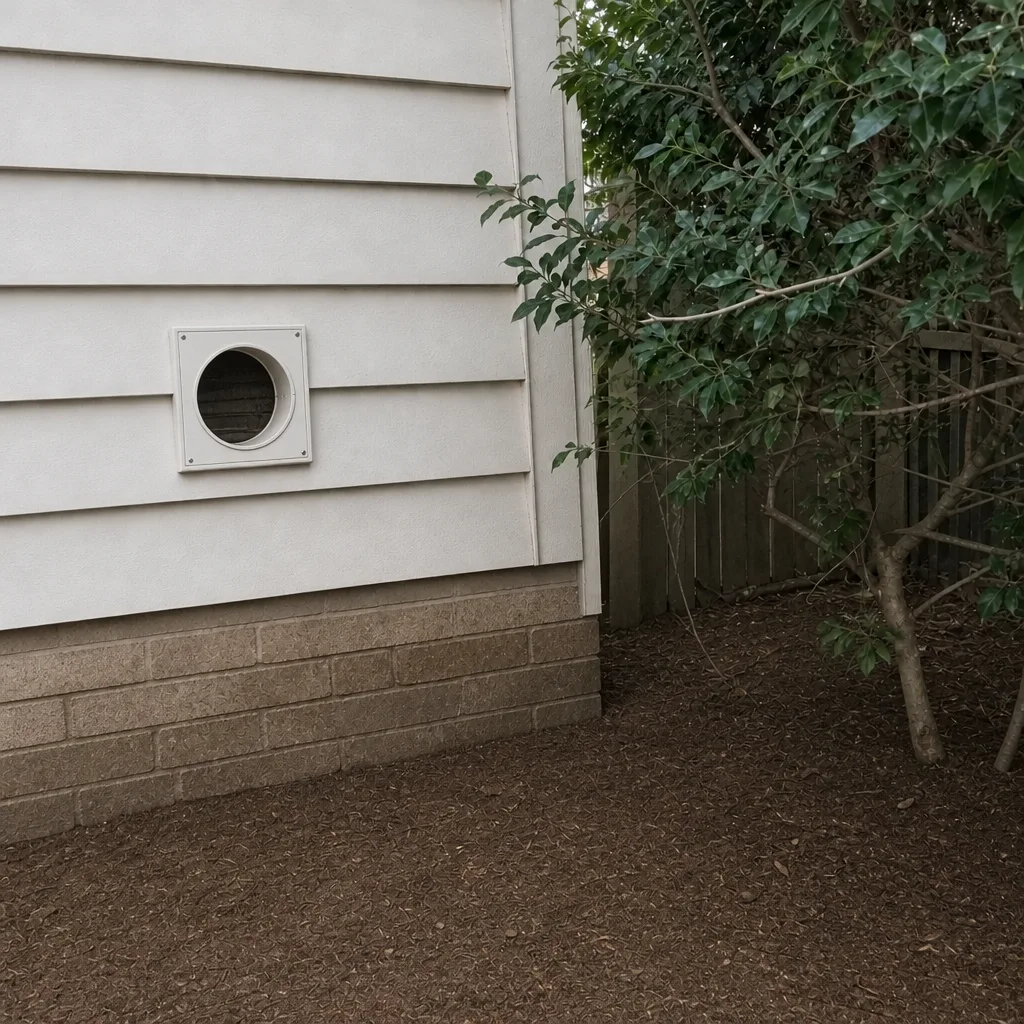
The dryer vent belongs in the same emergency conversation, even though it’s a separate system. A blocked dryer vent is a documented fire hazard, and after any fire event in the house, the vent line deserves the same inspection as the ducts. The dryer vent cleaning service addresses this with the same source-removal approach.
Common Mistakes to Avoid
- Running the fan to dry things out after a flood. A running system pulls moisture and spores into every branch of the duct. Shut the system down and let a professional assess before you turn it back on.
- Trusting a moisture meter on the framing only. A dry stud wall tells you the structure is fine. It says nothing about the duct interior, which dries much more slowly than exposed framing.
- Skipping the return plenum when inspecting smoke damage. Smoke enters the return side first, and the plenum and return trunk are usually the most contaminated parts of the system after a kitchen fire.
- Vacuuming rodent debris with a household vacuum. Standard vacuums exhaust fine particles and pathogens right back into the room. Restoration cleaning uses negative-air containment for a reason.
- Letting renovation dust settle into the ducts before sealing the registers. Once the debris is pulled in, source-removal cleaning is the only way to get it out. Plastic and tape before demo is cheap; restoration cleaning isn’t.
- Documenting the emergency in one sitting days later. Photos taken hours after the event are far more credible than photos taken the following week. Photograph early and often.
- Calling a general handyman for duct work after an insurable event. Restoration cleaning requires specific equipment, containment, and documentation. An adjuster will want to see all three.
See the difference
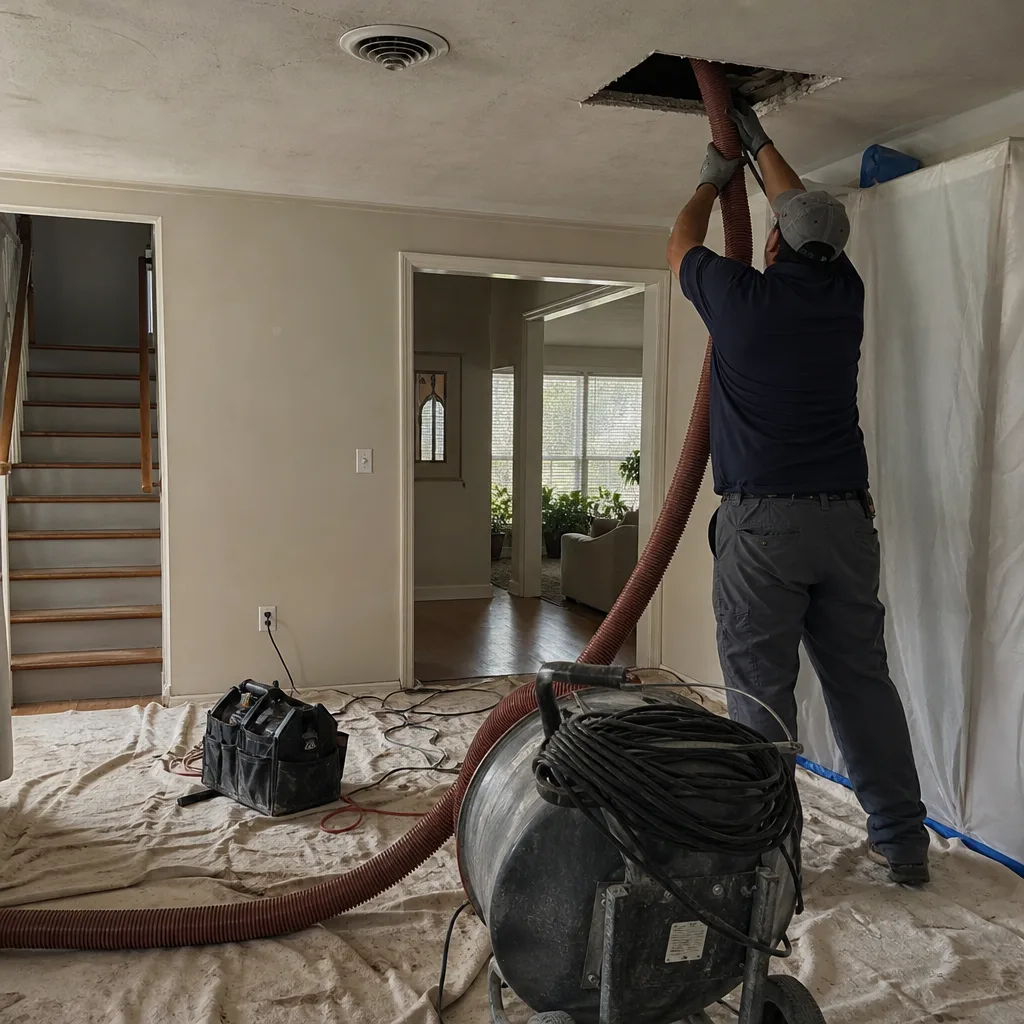 Before
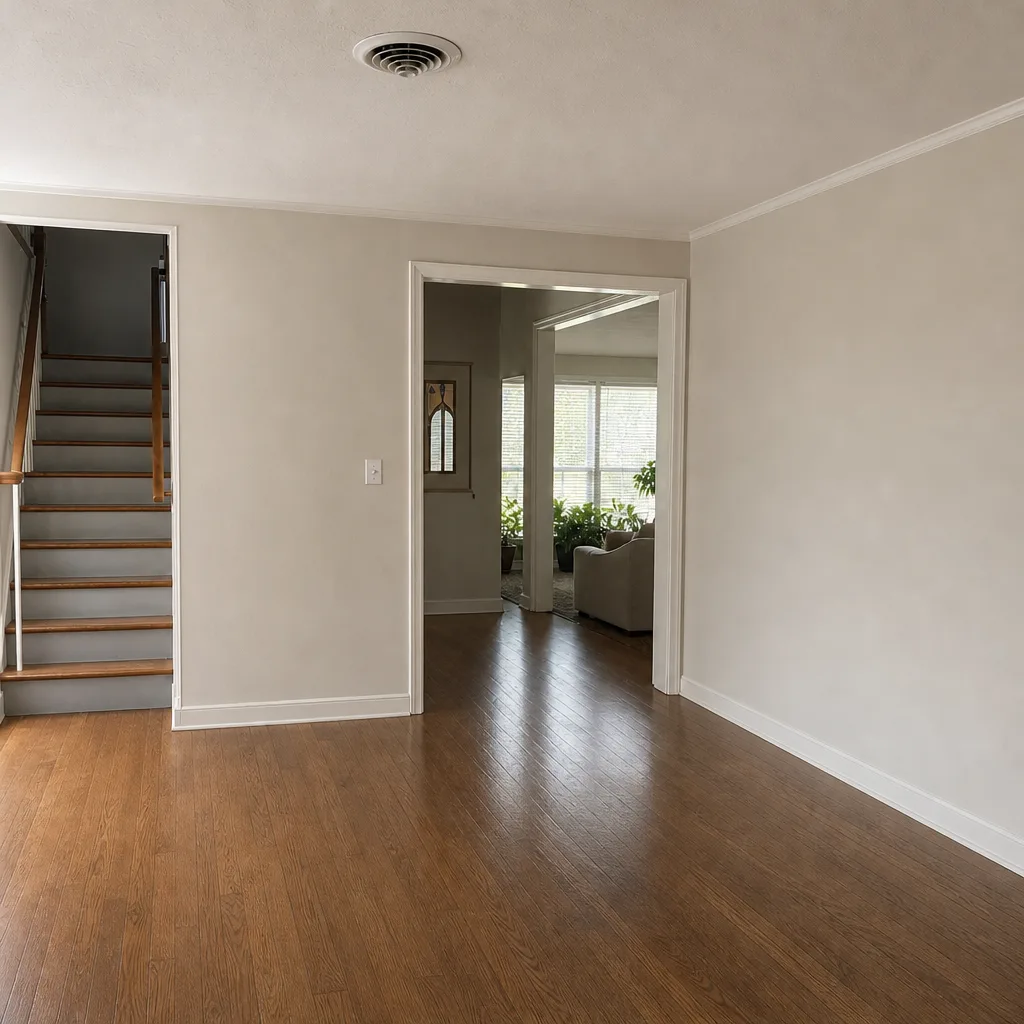 After
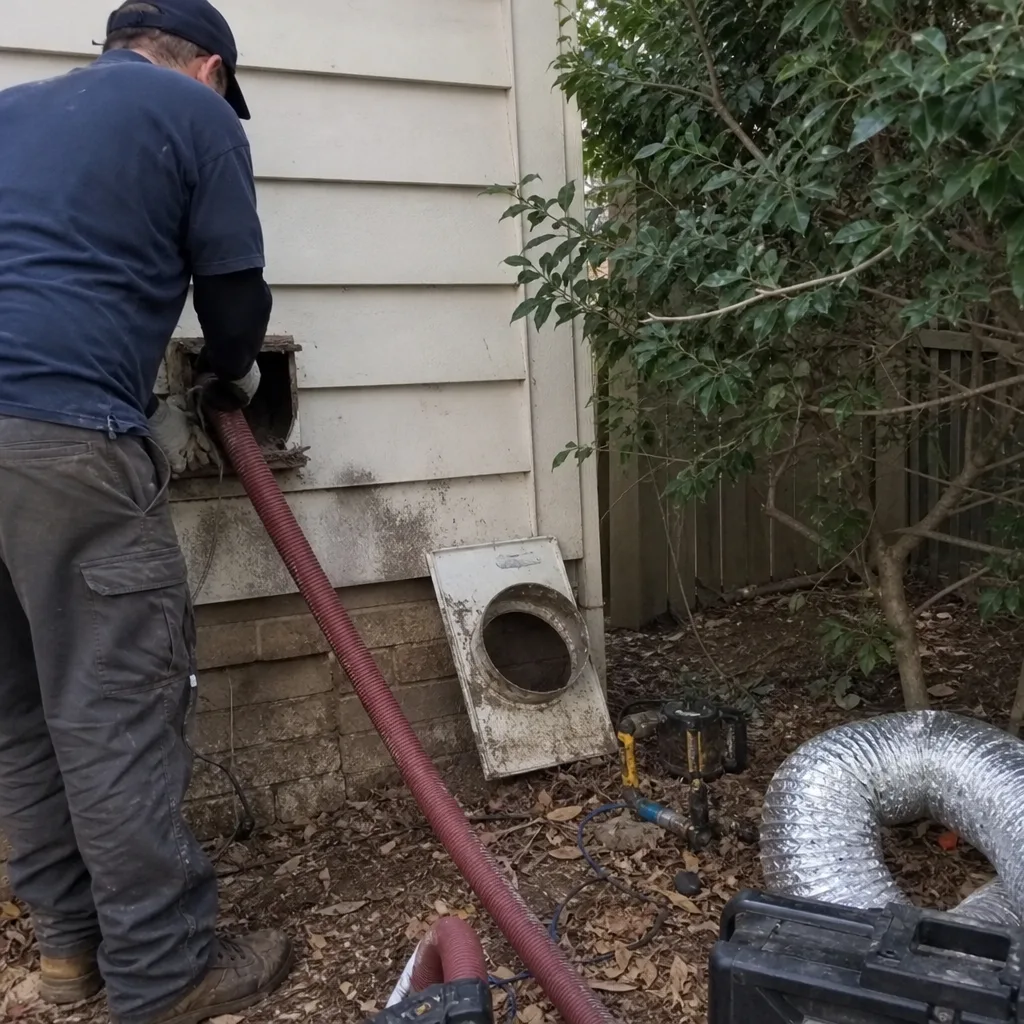 Before
 After
 Before
 After
When to Call a Professional
Call for professional duct assessment when any of these apply: water has reached within a few feet of any duct run, smoke has entered any part of the house (including small kitchen fires), you’ve seen or smelled evidence of rodents in or near the ducts, or you’ve just finished a renovation that opened walls or ceilings. Also call if a musty or chemical odor persists at any vent after the house has been cleaned, if you see visible dust plumes at registers when the system starts, or if the HVAC smells different after any of the events above.
The one thing you should not do is wait. North Hills’ summer humidity means the moisture window closes fast, and the documentation window closes almost as quickly. Air Duct Cleaning North Hills offers free estimates in North Hills. Call (844) 443-4850. We answer 24/7. Fast dispatch from 7am to 7pm, Sunday through Friday.
Frequently Asked Questions
Duct assessment should happen within 48 to 72 hours of water intrusion, and the sooner the better. Mold colonization begins within that window under the humid summer conditions common in North Hills, and cleaning before colonization starts is faster and less expensive than restoration cleaning after it does. Call (844) 443-4850 for an exact quote – estimates are free.
Yes. Smoke is pulled into the return side of the system even when the blower is off, and once it’s inside the ducts, the residue coats the return trunk and the supply branches it reaches. The odor typically returns within days when the system runs again, which is the tell that the ducts need cleaning, not just the walls and soft goods. Call (844) 443-4850 for an exact quote – estimates are free.
The clearest signs are gnaw marks on the exterior of flex duct, droppings at the return grille or air handler, and a sharp ammonia-like odor at the registers. If you see or smell any of those, shut off the HVAC and call for assessment. Household vacuums aren’t safe for this kind of debris. Call (844) 443-4850 for an exact quote – estimates are free.
Coverage depends on your policy and the cause of the loss, so we can’t speak for your insurer. What we can do is document the affected duct runs with photos, moisture readings, and a written scope that matches what your adjuster will need to evaluate the claim. We can work with your insurer on the documentation side. Call (844) 443-4850 for an exact quote – estimates are free.
Restoration cleaning adds containment, source removal, mandatory sanitizing, and written clearance documentation, all driven by the specific event. Standard maintenance cleaning handles dust and debris on a schedule. Restoration cleaning is event-driven and produces the records an insurer needs. Call (844) 443-4850 for an exact quote – estimates are free.
Shut off the HVAC at the thermostat or breaker, photograph everything before moving or cleaning anything, and call for professional assessment. Don’t run the fan, don’t wipe soot, and don’t use a household vacuum on debris. These four rules alone prevent most of the long-term damage we see after an insurable event. Call (844) 443-4850 for an exact quote – estimates are free.
The Bottom Line
The emergency duct response starts with three habits: shut down the system, document what you see, and call for assessment before you try to fix anything yourself. In North Hills, the 48-to-72-hour moisture window is the number to remember after any water event, and the return plenum is the place to remember after any fire. Restoration cleaning differs from maintenance cleaning in containment, sanitizing, and documentation – and those three things are what make an insurance claim work. If you’re facing any of the four emergencies covered here, don’t wait for the smell to get worse. The system is a closed loop, and whatever’s in it will keep circulating until it’s removed.
Call (844) 443-4850 for a free estimate. We answer 24/7. Fast dispatch from 7am to 7pm, Sunday through Friday. Closed Saturday.
Written by the team at Air Duct Cleaning North Hills.