
Last updated November 23, 2026
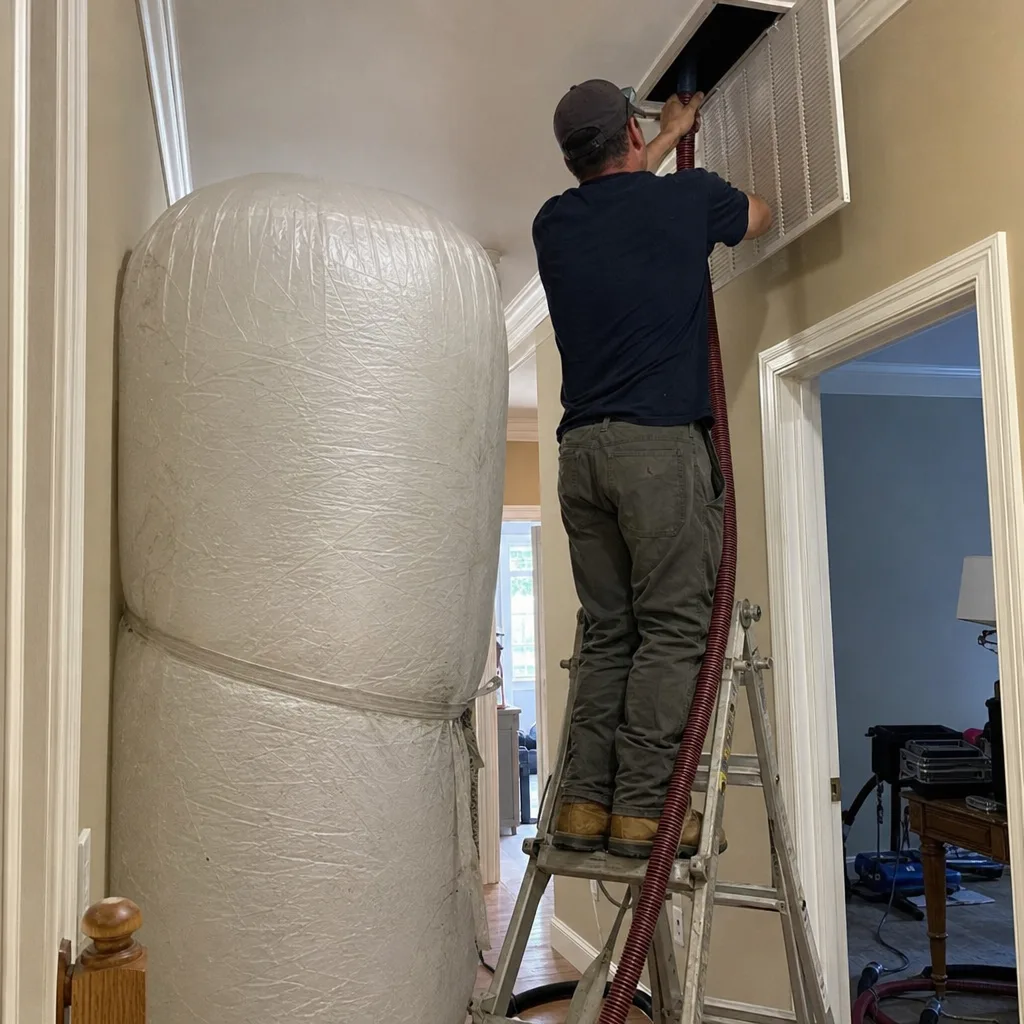
 Whole-home duct cleaning
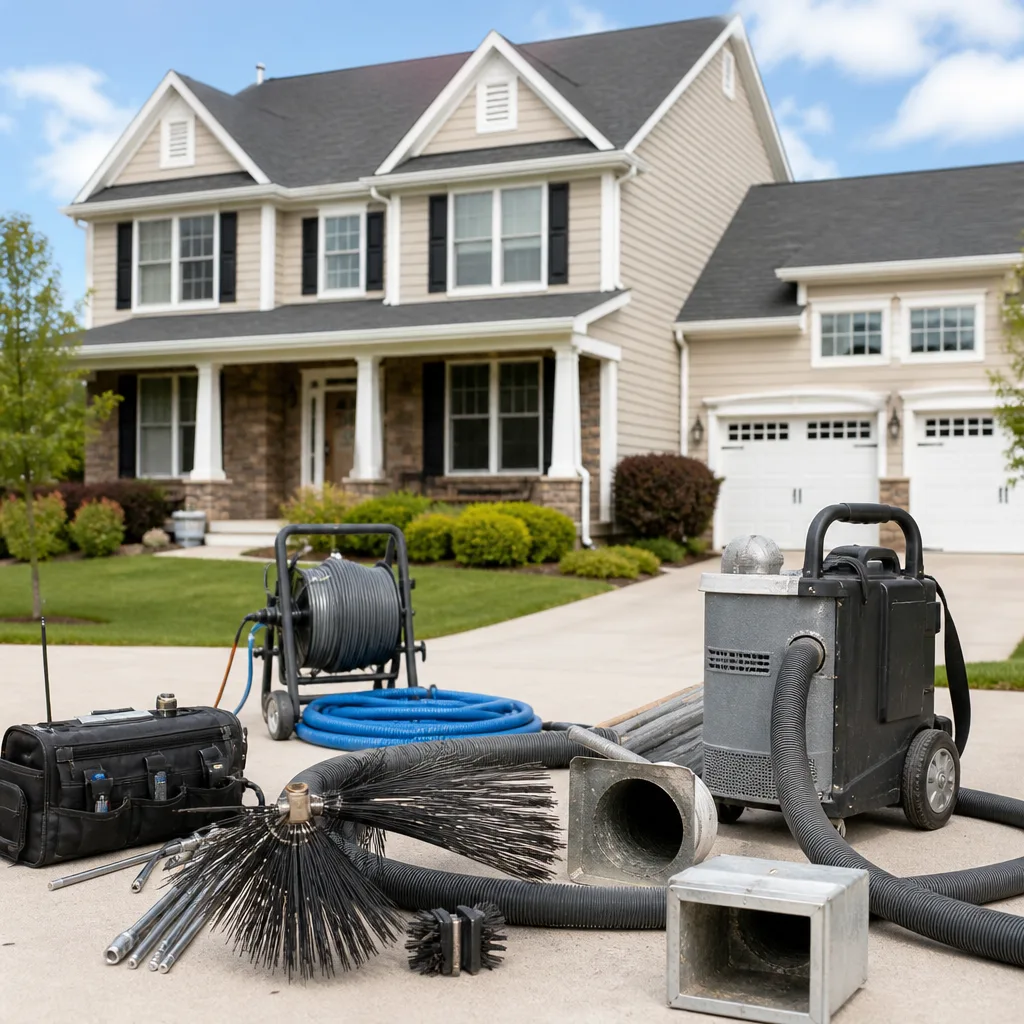
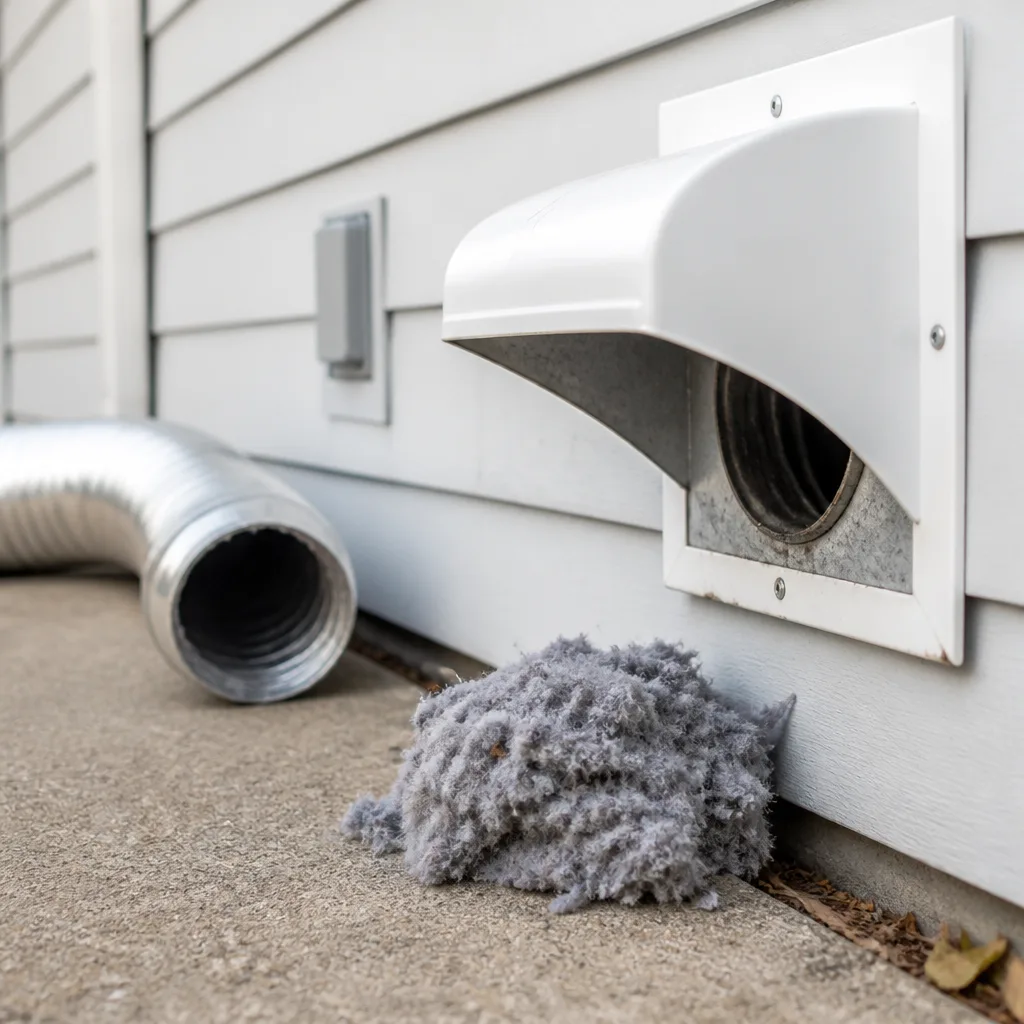 Dryer vent cleaning
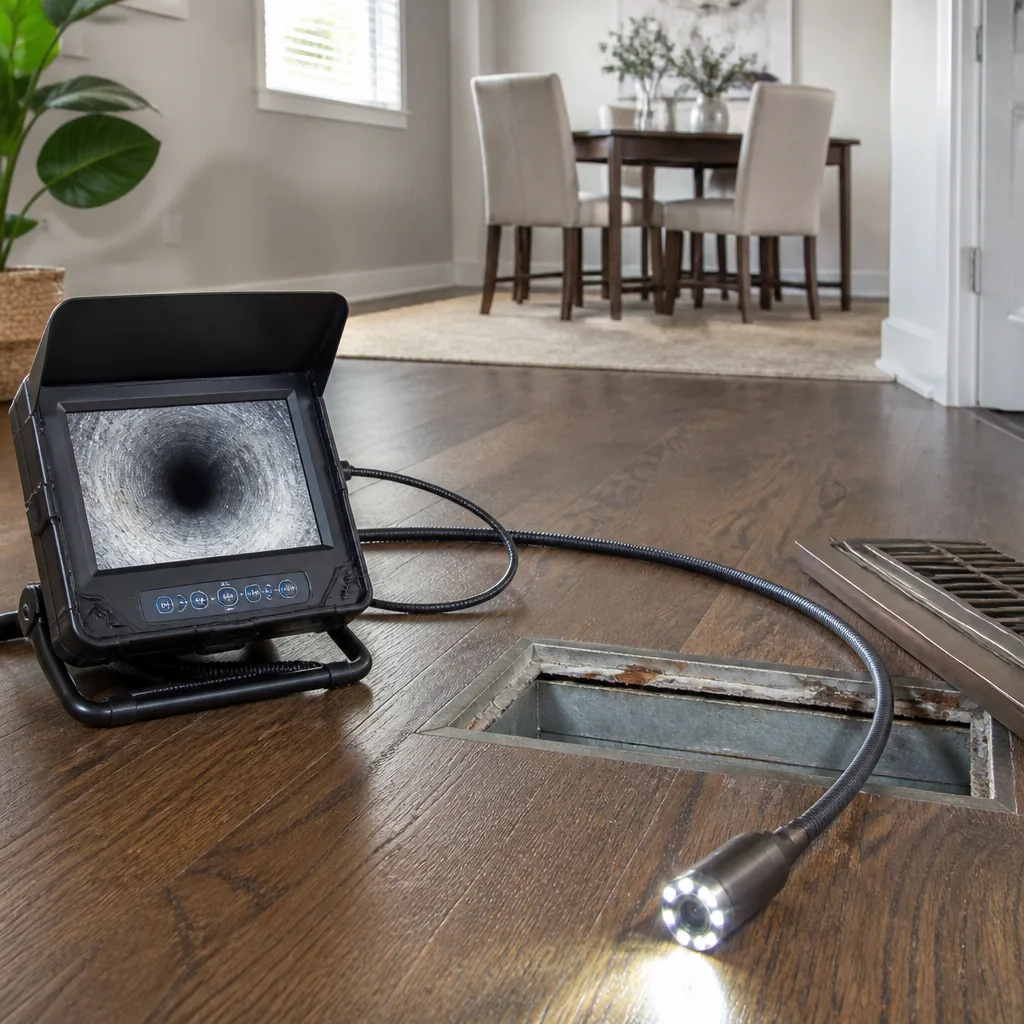 Camera inspection
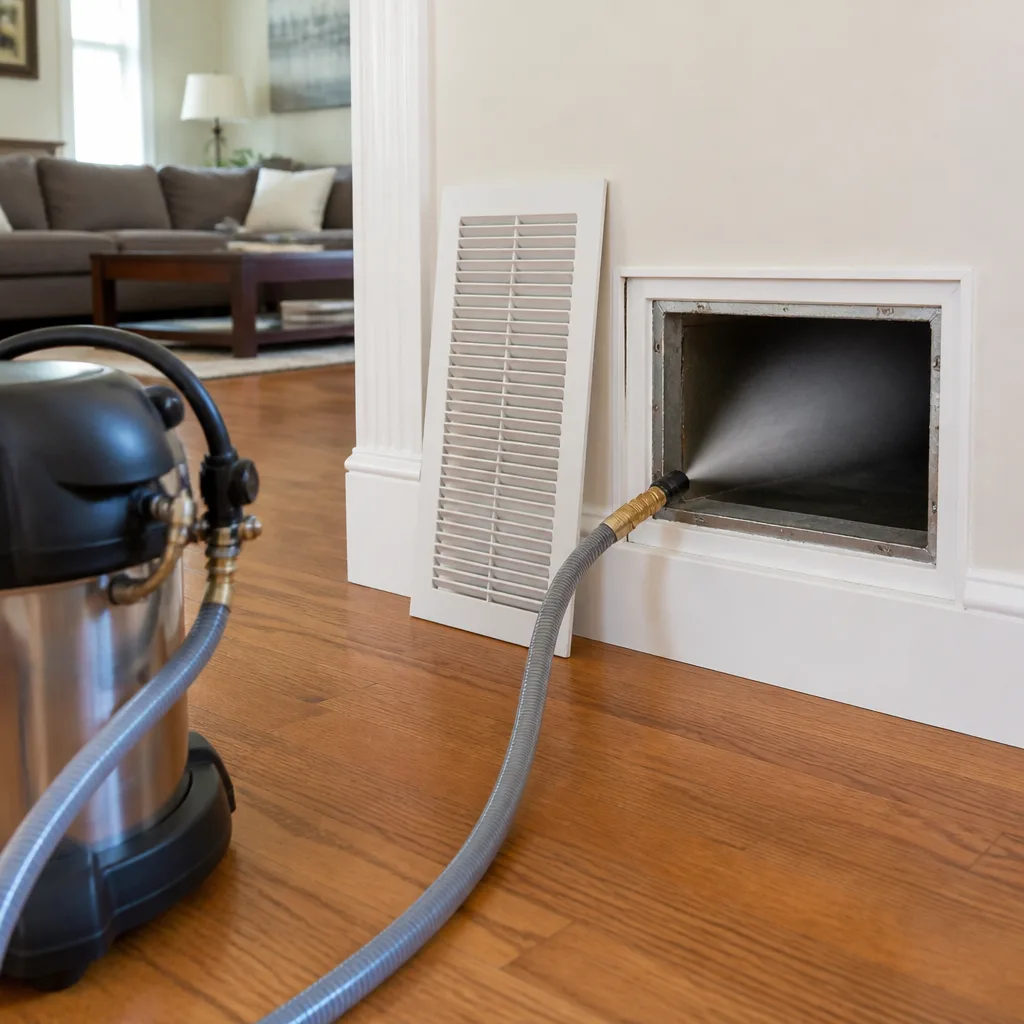 Sanitizing & deodorizing
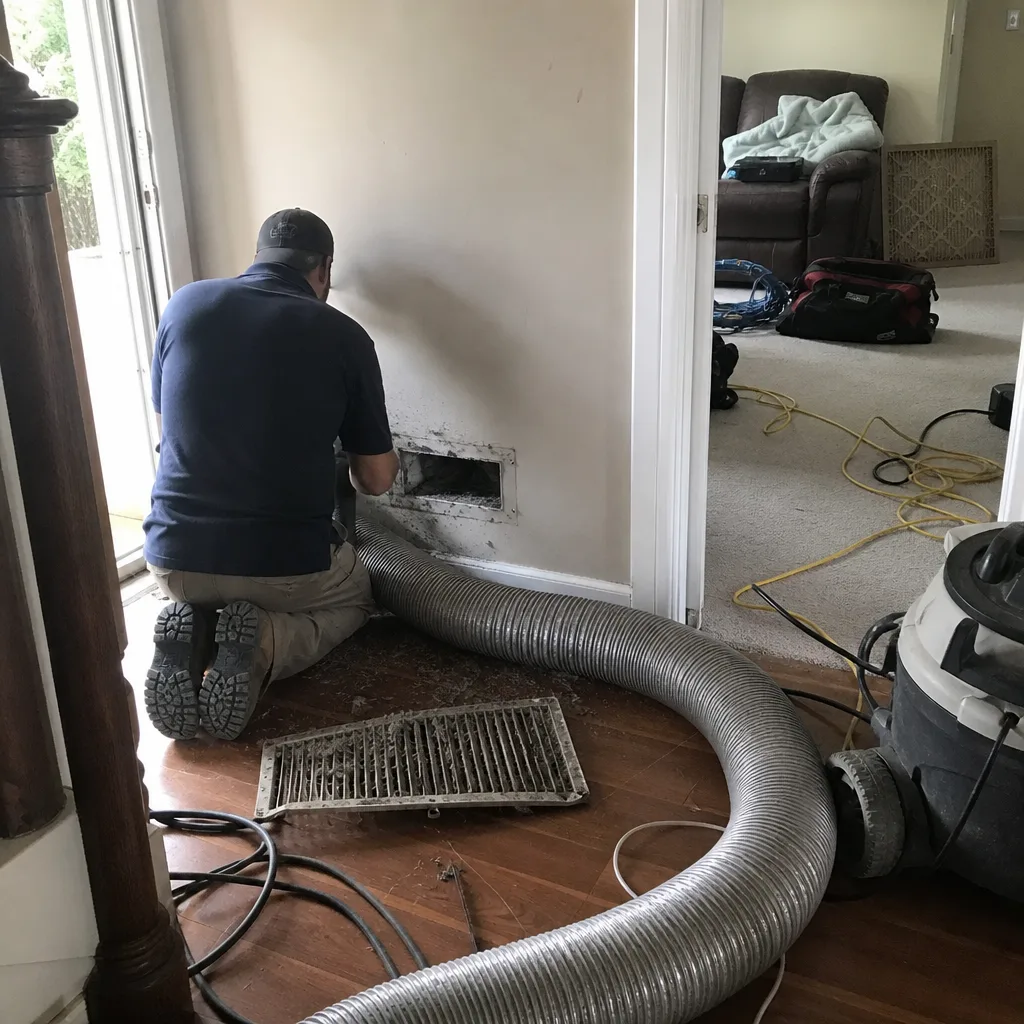
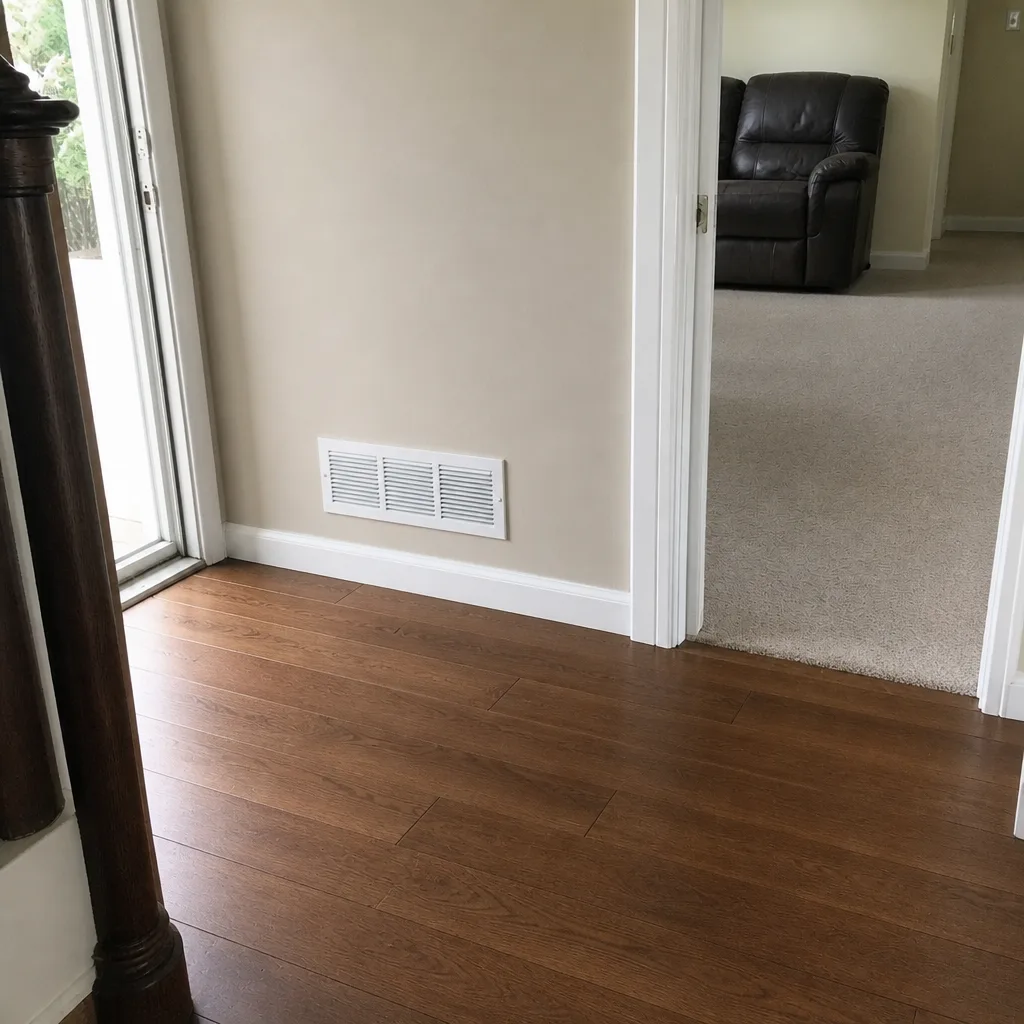
Whole-system duct and dryer vent check with before-and-after photos - you see exactly what came out of your vents
That "$99 whole-house special" is a bait ad - the real number appears once they are in your hallway, or the "clean" is a shop-vac at the register. We photograph the inside of your ducts before and after instead.
Air Duct Cleaning Maintenance Checklist for North Hills Homeowners
Most homeowners replace a filter on schedule and consider the system maintained. That covers the cheapest part of the whole airflow chain while the parts that fail silently – the return plenum, the supply runs behind drywall, the boot connections at each grille – go unchecked for years. The filter catches what reaches it. It tells you nothing about what’s growing downstream of it. In North Hills, where a humid summer and a heavy spring pollen load both push on the same ductwork, that gap between “filter changed” and “system actually clean” is where most problems start. This checklist walks you through the tasks worth doing, the five numbers worth logging, and the jobs that genuinely need a technician.
Quick Answer
A workable air duct maintenance checklist for a North Hills home has three layers: monthly owner checks (filter loading, grille dust, airflow feel), seasonal tasks timed to local pollen and humidity cycles, and a professional inspection and cleaning when your logged indicators drift. In practice, most North Hills homes need a full professional cleaning every three to five years, a dryer vent check once a year, and an after-renovation cleaning the moment major remodeling dust settles.
Styles & brands we work with
- Whole-home duct cleaning
- Dryer vent cleaning
- Camera inspection
- Sanitizing & deodorizing
Table of Contents
- Why Changing the Filter Isn’t Maintenance
- The Five Measurable Indicators Worth Logging
- A Month-by-Month Duct Calendar for North Hills
- What You Can Do Yourself vs. What Needs a Technician
- How to Document Duct Condition Over Time
- The After-Renovation Protocol
- Dryer Vent: The Checklist Item With a Safety Consequence
- Leaks, Sealing, and the Full Airflow Chain
Why Changing the Filter Isn’t Maintenance
Filters are the easiest component to swap, so they get all the attention. But a filter only protects the blower and coil from what reaches it. Dust that settles on the return-side duct walls, pollen that clings to a humid supply run, and debris that accumulates in the plenum never touch the filter at all. In our experience, the system is often dirtiest on the negative-pressure side, where air is being pulled back toward the equipment.
There’s a second issue with treating the filter as the whole story. A clogged filter raises resistance, and higher resistance means the blower works harder to push the same air. Your HVAC system works harder when ducts are clogged or leaking. That shows up as longer run times and higher energy bills before it shows up as an obvious comfort problem. So “I changed the filter” is a maintenance habit that tracks the wrong variable.
What actually matters is the condition of the whole airflow chain: supply and return ducts, the return air plenum, the equipment cabinet, the blower, and the coil. That’s the scope our Air Duct Cleaning North Hills service is built around, and it’s the reason the checklist below tracks more than filter dates.
What “maintenance” really means for ductwork
Ductwork doesn’t wear out the way a belt or a capacitor does. It accumulates. The maintenance question is whether accumulation is trending up, and whether the system has developed leaks or disconnected joints that let unfiltered air into the supply. Cleaning resets the baseline. A checklist keeps you from missing the drift between cleanings. That’s the difference between reactive cleaning and an actual maintenance routine.
The Five Measurable Indicators Worth Logging
You don’t need instruments for most of this. A notebook, a calendar reminder, and five simple observations are enough to know whether your system is drifting toward contamination before it becomes a real problem. Log each one on the same day every month so the comparison is fair.
- Filter loading rate. Note the date you install a filter and the date it visibly loads. If a filter that used to last three months now loads in six weeks, the duct system is shedding more than it used to. The filter isn’t the problem – it’s the messenger.
- Visible dust on supply grilles. Wipe one grille face with a white cloth once a month. Compare the cloth. Streaking or a gray film builds when supply air is carrying particulates it shouldn’t.
- Return airflow feel. Hold your hand at a return grille. The pull should feel steady. A return that’s noticeably weaker than last season suggests a restriction, a crushed flex run, or debris blocking the return-side duct.
- Musty odor presence. Rate odor on a simple scale (none / faint / strong) when the system first starts. A musty note that wasn’t there before points to moisture and biological growth somewhere in the system, often on a cool supply run in a humid North Hills summer.
- Room-to-room temperature variance. Note the temperature in your warmest room and your coolest room on the same afternoon. A widening gap between rooms usually means the distribution side is compromised – a leak, a disconnected joint, or a blocked run.
Five minutes a month. That log becomes the single most useful thing you can hand a technician, because it shows trend rather than a snapshot.
A Month-by-Month Duct Calendar for North Hills
Seasonal timing matters here more than in a lot of places. North Hills runs a strong spring pollen season, a summer humidity peak, and a heating startup in the fall when dust that settled all summer gets pushed back into living space. Align the heavy tasks with those transitions rather than picking random dates.
Spring (pollen season)
- Check and change the filter more often – pollen loads filters fast once trees start releasing.
- Wipe grilles and log dust; spring is when supply grille streaking first shows.
- Look for moisture at registers and near the equipment; pollen plus humidity is a bad combination for a cool duct run.
Summer (humidity peak)
- Watch for musty odor at startup, the clearest early signal of moisture-driven growth.
- Log room-to-room temperature variance on hot afternoons, when a struggling system shows its hand.
- Check the condensate side around the equipment if accessible.
Fall (heating startup)
- The first heat run of the season pushes settled summer dust into the rooms – expect a temporary dust spike and don’t confuse it with a new problem.
- Note odor at first heat; a burnt or musty note is worth a professional look.
- Inspect and clean the dryer vent before the heavy indoor season.
Winter
- Keep the filter log current; heating runs longer, so filters load faster.
- Recheck return airflow feel once the system is running steady.
- Plan any professional cleaning for the shoulder season, when scheduling is easier.
What You Can Do Yourself vs. What Needs a Technician
The line is clearer than most homeowners think. Anything at or outside the grille face is generally yours. Anything inside the ductwork, the plenum, or the equipment cabinet is technician territory – partly because access is limited, and partly because the methods matter.
Owner-performed tasks
- Changing filters on schedule, and matching filter to the system’s spec rather than guessing at the thickest option.
- Wiping grille faces and frames.
- Logging the five indicators monthly.
- Removing obvious surface debris from register covers (with the system off).
- Clearing the area around the equipment so it breathes.
Technician tasks
- Cleaning the interior of supply and return ducts, which needs rotary brushes and controlled negative-air suction.
- Cleaning the return air plenum and equipment cabinet.
- Sanitizing with air scrubbers running throughout the work so contaminants leave the home, not just your ducts.
- Inspecting and repairing leaks, disconnected joints, and damaged runs.
- Cleaning the dryer vent to the exterior termination.
One caution that saves homeowners money: doing your own surface wiping won’t void an equipment warranty. Improperly disassembling components or running the wrong cleaning method inside a duct run can. When in doubt, keep the tools out of the ductwork.
How to Document Duct Condition Over Time
The single biggest problem with duct maintenance is that nobody remembers what the system looked like last time. Without a baseline, a contractor is guessing, and a company that can’t show you condition over time is asking you to trust a memory. A few minutes of documentation fixes that.
- Photograph grilles and the equipment cabinet at each filter change. Same angle, same lighting, so the comparison is honest.
- Keep the monthly indicator log – the five readings from the section above – in one notebook or phone note.
- Record dates for every filter change, every professional cleaning, and every repair.
- Keep the equipment model and filter spec with the log; it’s what a technician needs to compare condition.
- Before and after. When professional cleaning happens, ask for before-and-after photos of your own ducts. Good cleaning operations photograph both.
Our process uses professional-grade Rotobrush and Nikro systems, and a nylon rotary brush run through a duct looks very different coming out than going in. Photographs make that visible. Documentation also means a future visit can compare baseline to current state instead of starting from zero.
The After-Renovation Protocol
Remodeling is the one situation that makes an otherwise healthy system fail fast. Drywall dust, sawdust, insulation fibers, and construction debris get pulled straight into the return side and settle throughout the supply runs. Sanding and drywall work produce the worst of it – the fine dust stays suspended, and the system happily recirculates it for weeks.
The protocol, in order:
- Turn the system off before demolition begins where practical, and seal off registers with plastic and tape during the dustiest work.
- Change the filter frequently during the project – a filter is cheap, and a clogged one only pushes more dust into the ducts.
- After the heavy dust work is done, before final paint and flooring, book a professional cleaning so the system isn’t redistributing construction dust afterward.
- Clean the dryer vent if the project touched the laundry area or moved the appliance.
- Replace the filter once more after the cleaning, and log the reading at your next indicator check.
Homes undergoing remodeling are also the best time to address duct leaks, since walls are often open. If you’re already exposed, sealing a leak is far cheaper now than opening drywall later.
Dryer Vent: The Checklist Item With a Safety Consequence
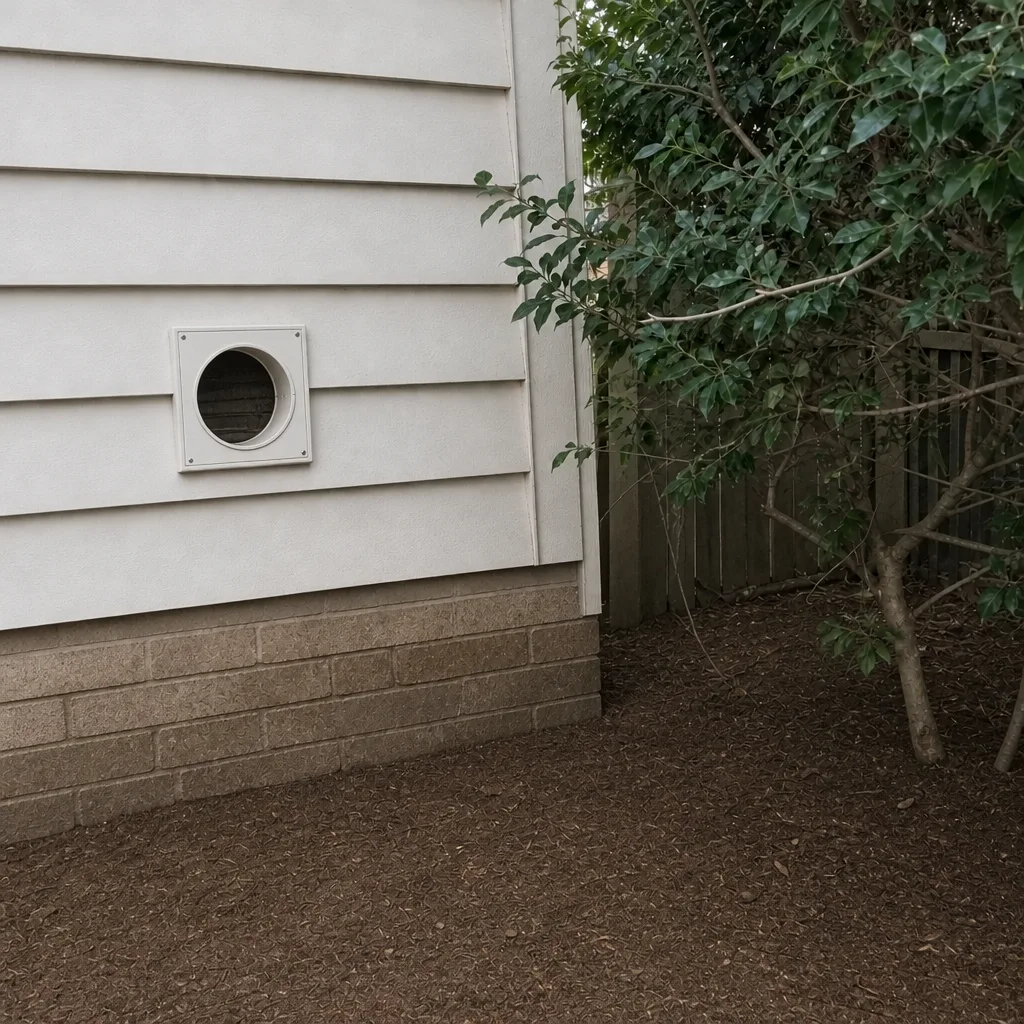
Dryer vents sit on the same maintenance calendar but deserve their own line, because a clogged dryer vent is a leading cause of residential fires. Lint is highly combustible, and it accumulates in the flexible run behind the dryer and the rigid duct to the exterior. This is one of the few checklist tasks where doing it protects more than your air quality.
Signs the vent needs attention:
- Clothes take longer than usual to dry.
- The dryer feels hot to the touch on the outside.
- The exterior vent flap doesn’t open fully when the dryer runs.
- Lint is visible around the laundry area or accumulating on the dryer itself.
If any of those sound familiar, our dryer vent cleaning covers the full run to the exterior termination, not just the lint trap. It’s a small job with a real safety payoff, and it belongs in the annual section of your checklist even if the ducts themselves don’t need cleaning that year.
Leaks, Sealing, and the Full Airflow Chain
Cleaning removes what accumulated. It doesn’t fix a system that’s leaking conditioned air into an attic or crawlspace. Leaky ducts are common in older homes, and the leak shows up as rooms that never get comfortable, energy bills that creep up, and a system that runs longer than it should. That’s why duct repair and sealing belongs in the checklist, not as a separate project you’ll get to eventually.
What we look for during a full-system job:
- Disconnected joints where two duct sections have pulled apart.
- Crushed or kinked flex runs behind drywall or in tight attic spaces.
- Boot connections at the grille that have separated from the duct.
- Loose or missing duct tape (the construction kind, not the hardware-store roll).
- Damage to the return plenum or equipment cabinet that lets unfiltered air in.
Because we handle HVAC cleaning, duct cleaning, air quality, and duct repair as one team, a leak found during a cleaning gets fixed in the same visit. That matters in North Hills, where opening drywall or attic access twice is expensive. Clean, sanitize, and seal in one visit is a real advantage, not a slogan.
Where air quality products fit
After cleaning and sealing, the log tells you whether your filtration is matched to the home. We work with Honeywell and Aprilaire filtration products, and Abatement Technologies air scrubbers run during sanitizing work to keep air quality steady throughout the job. If your indicator log shows filters loading faster than they used to but the ducts are clean and sealed, the answer may be better filtration rather than more cleaning. From the dryer vent to the return air plenum, the goal is a complete airflow chain that works as designed.
Common Mistakes to Avoid
- Treating the filter as the whole maintenance routine. A new filter protects the equipment, not the duct walls. Track the five indicators or you’re blind to half the system.
- Buying the thickest filter on the shelf. A high-MERV filter in a system specced for a lower one raises static pressure and makes the blower work harder. Match the filter to the equipment, don’t upgrade on intuition.
- Skipping cleaning after a remodel. Construction dust is the fastest way to load a healthy system. Book the cleaning before final paint, not months later.
- Ignoring the dryer vent because the ducts were just cleaned. They’re separate systems on the same calendar. A clean duct system says nothing about lint accumulation in the dryer run.
- Assuming a low quote is a good deal. A cut-rate quote that covers a quick pass over the grilles isn’t cleaning the ductwork. Ask what equipment the company uses and whether before-and-after photos are included.
- Putting off small leaks until the next cleaning. A disconnected joint in a North Hills attic leaks conditioned air every day it stays open. Have it sealed when it’s found.
- Cleaning in the middle of pollen season and calling it done for the year. Spring pollen refills the filter quickly. Time the heavy cleaning to the shoulder season for the best result.
See the difference
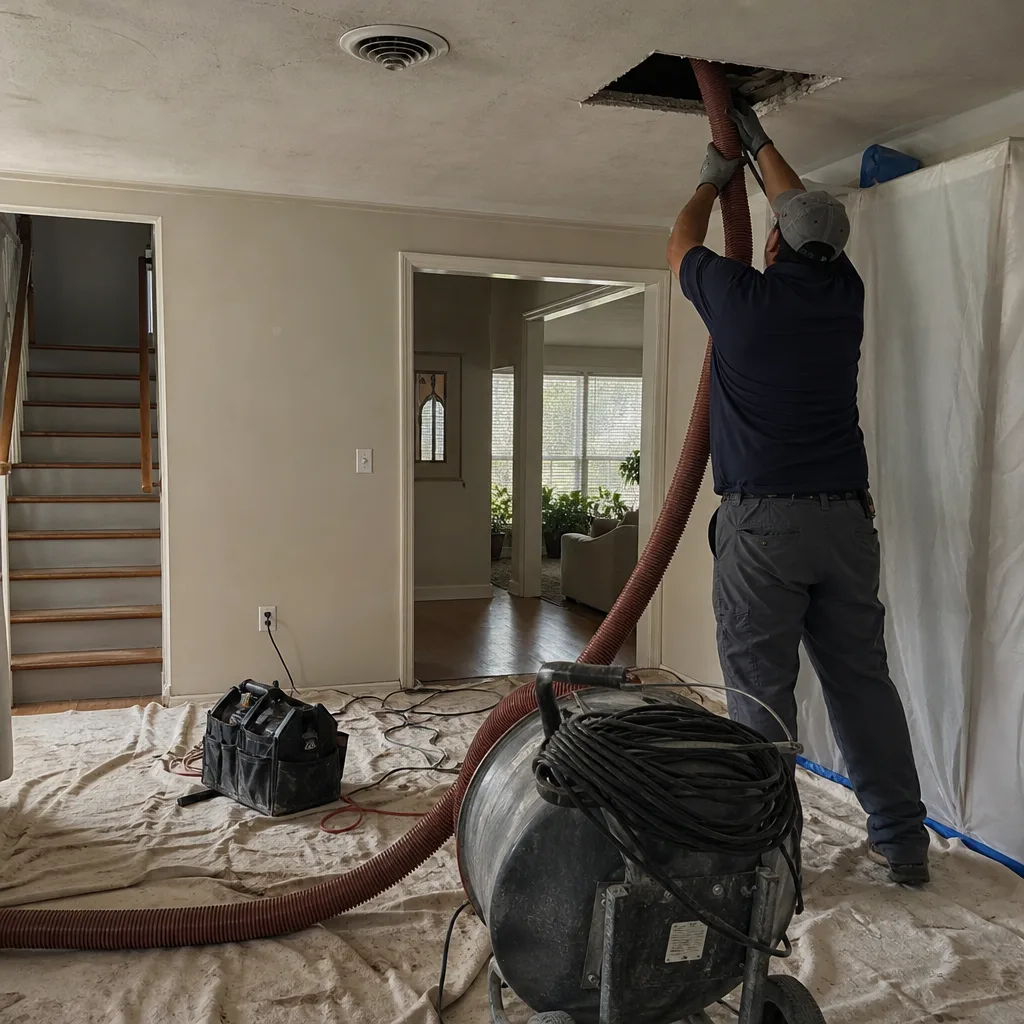 Before
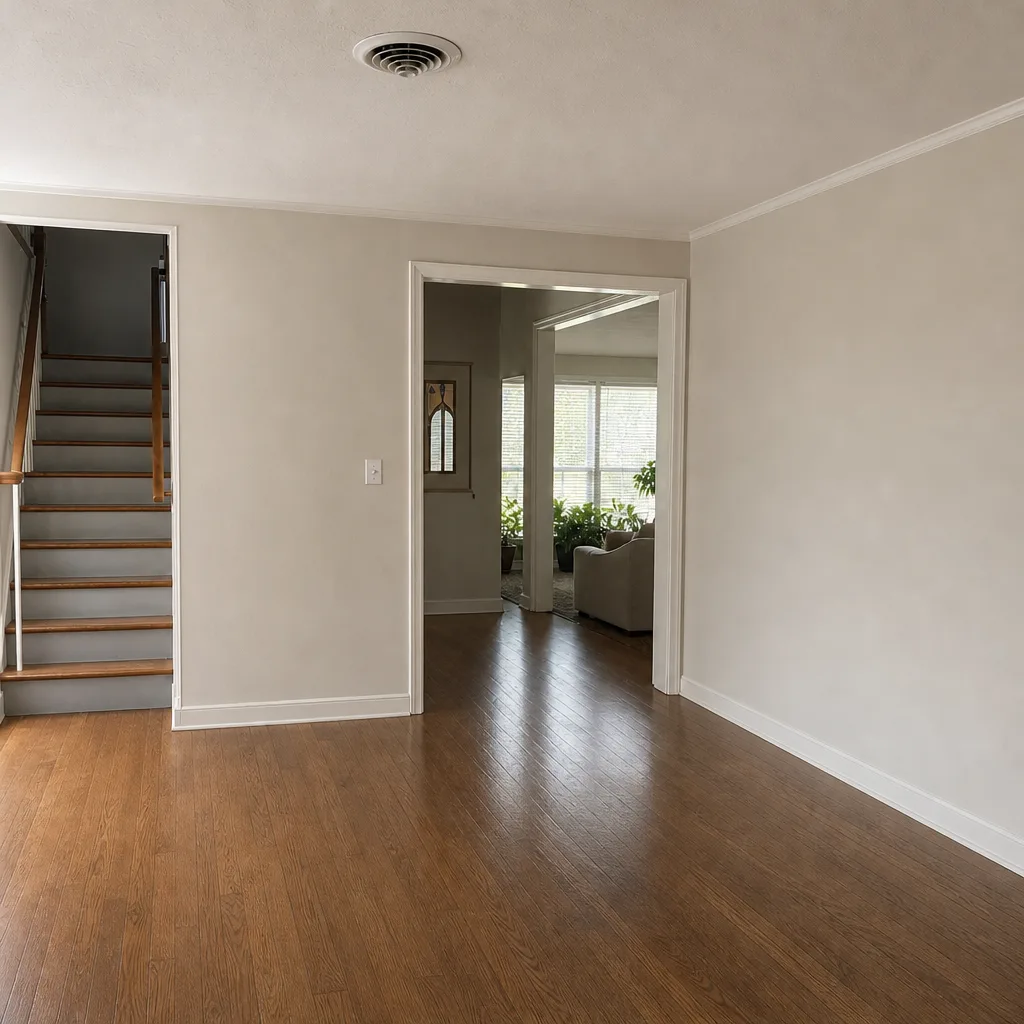 After
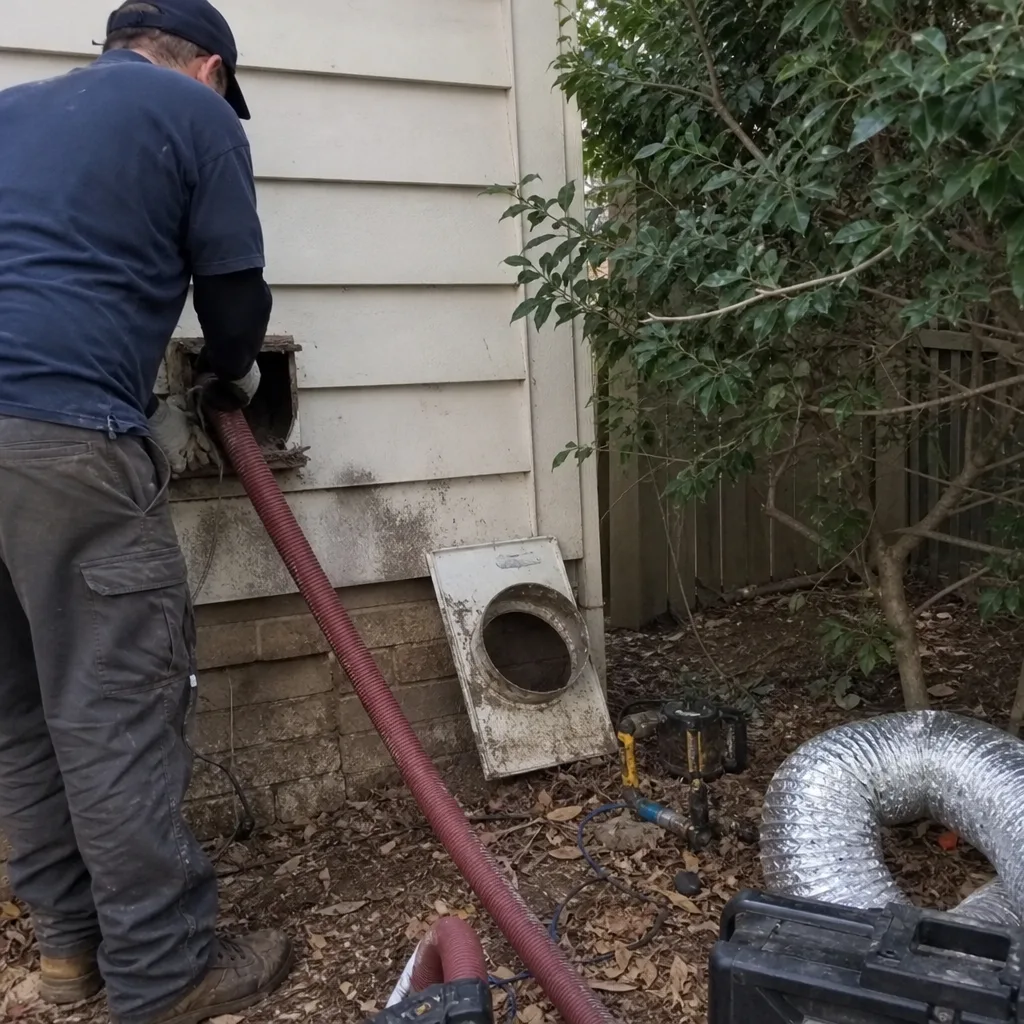 Before
 After
 Before
 After
When to Call a Professional
Call a professional when your indicator log shows consistent trend rather than a one-time blip: filters loading faster each month, dust returning to grilles within days of wiping, a musty odor that wasn’t there last year, or a room-to-room temperature gap that’s widening. Call immediately after any major renovation, and any time the exterior dryer vent flap won’t open. And call if it’s simply been several years since a full cleaning – the baseline matters. Our technicians have up to 12 years of experience, and our process uses Rotobrush rotary brush and Nikro negative-air systems, with Abatement Technologies air scrubbers running during sanitizing. Air Duct Cleaning North Hills offers free estimates in North Hills – call (844) 443-4850. We answer 24/7. Fast dispatch from 7am to 7pm, Sunday through Friday.
Frequently Asked Questions
Most North Hills homes need a full professional cleaning every three to five years, with more frequent cleaning after a renovation or in homes with pets or heavy pollen exposure. The exact number depends on your indicator log, not a fixed calendar – if filters are loading faster and grille dust returns quickly, move the cleaning up. Call (844) 443-4850 for an exact quote; estimates are free.
The total depends on the size of the home, the number of systems, and whether sealing or sanitizing is added, so pricing is set per job by the written estimate. What you should insist on is one flat price per system agreed before work starts – no per-vent pricing and no teaser coupon that balloons once the technician is on site. Call (844) 443-4850 for an exact quote; estimates are free.
Cheap quotes usually cover a quick pass over the grilles rather than the full airflow chain, and they may skip the plenum, the equipment cabinet, or the return side entirely. A genuine cleaning uses mechanical rotary brushes and controlled negative-air suction – our process uses Rotobrush and Nikro systems – and includes before-and-after photos so you can see what was removed. Ask what equipment the company uses before you compare prices. Call (844) 443-4850 for an exact quote; estimates are free.
You can handle everything at the grille face and the filter, but the inside of the ductwork, the plenum, and the equipment cabinet need a technician with rotary brush equipment and negative-air capture. A shop vac doesn’t reach the duct walls and doesn’t capture dislodged debris – it can redistribute it through the home instead. Keep the tools out of the ductwork; that’s where the warranty and the safety risk live.
Ask for before-and-after photos of your own ducts, not stock images, and make sure the written estimate describes the scope: supply and return ducts, plenum, equipment cabinet, and sanitizing. Our team uses Abatement Technologies air scrubbers during the sanitizing step so contaminants leave the home, not just your ducts, and we photograph the work. Call (844) 443-4850 for an exact quote; estimates are free.
No – a professionally performed cleaning using proper equipment does not void an HVAC warranty. Warranty problems come from improper disassembly or the wrong cleaning method inside the ductwork, which is why the middle of the checklist sits with a trained technician rather than a homeowner with a shop vac. Call (844) 443-4850 for an exact quote; estimates are free.
The Bottom Line
Duct maintenance isn’t a cleaning frequency – it’s tracking five indicators monthly, aligning the heavy tasks with North Hills’ pollen, humidity, and heating-startup seasons, and documenting condition so a technician can compare baseline to current state. Do the monthly checks and the grill wipes yourself, keep the filter matched to the spec, and call a professional when the trend turns. Handle the dryer vent annually and clean the system immediately after any renovation. When you’re ready, Air Duct Cleaning North Hills offers free estimates, and clean, sanitize, and seal happen in one visit with one team. Call (844) 443-4850. We answer 24/7. Fast dispatch from 7am to 7pm, Sunday through Friday. For the full scope of work, see air duct cleaning.
Written by the team at Air Duct Cleaning North Hills.